
10 VR Training Use Cases Across Oil & Gas Operations
From a drilling rig to a refinery and finally to a fuel retail station, oil and gas operations involve very different environments, equipment and risks.
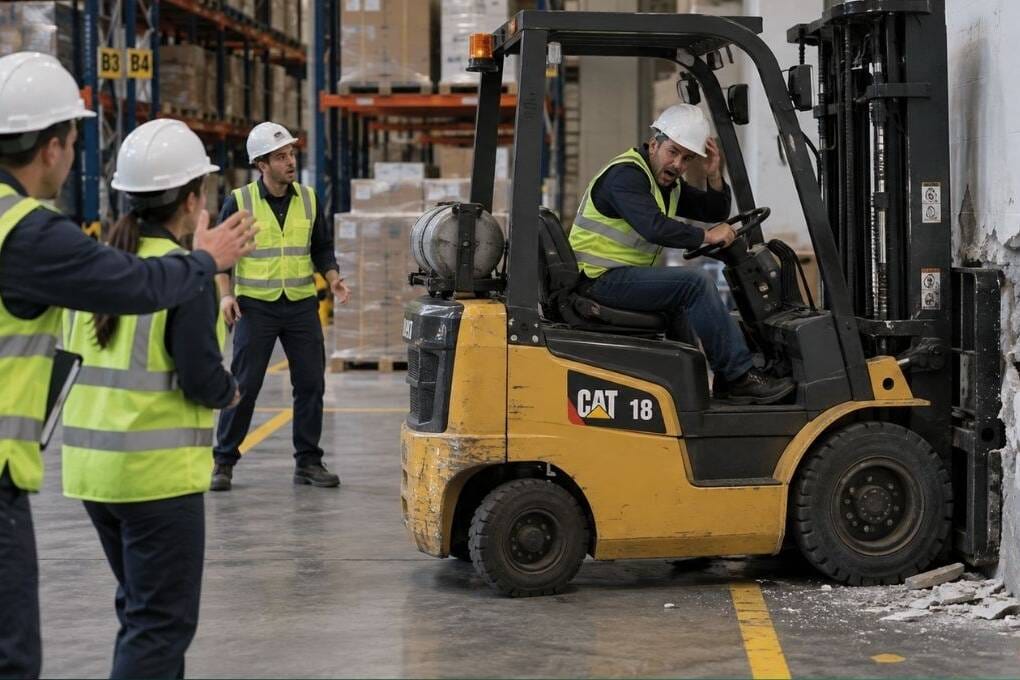
But they share one training challenge: many of the situations workers need to be prepared for are difficult, expensive or simply unsafe to recreate in real life.
That is where VR training becomes particularly useful.
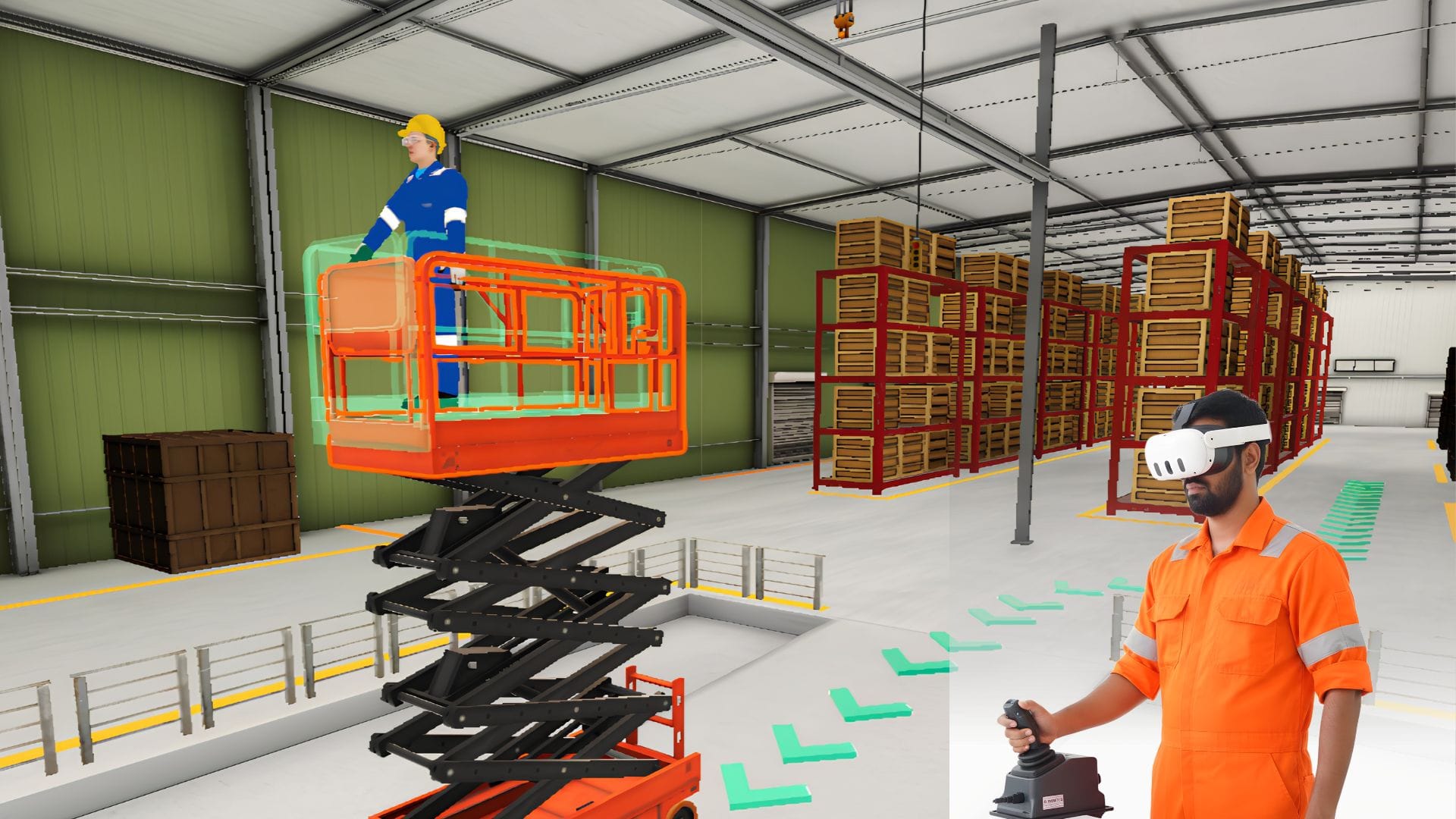
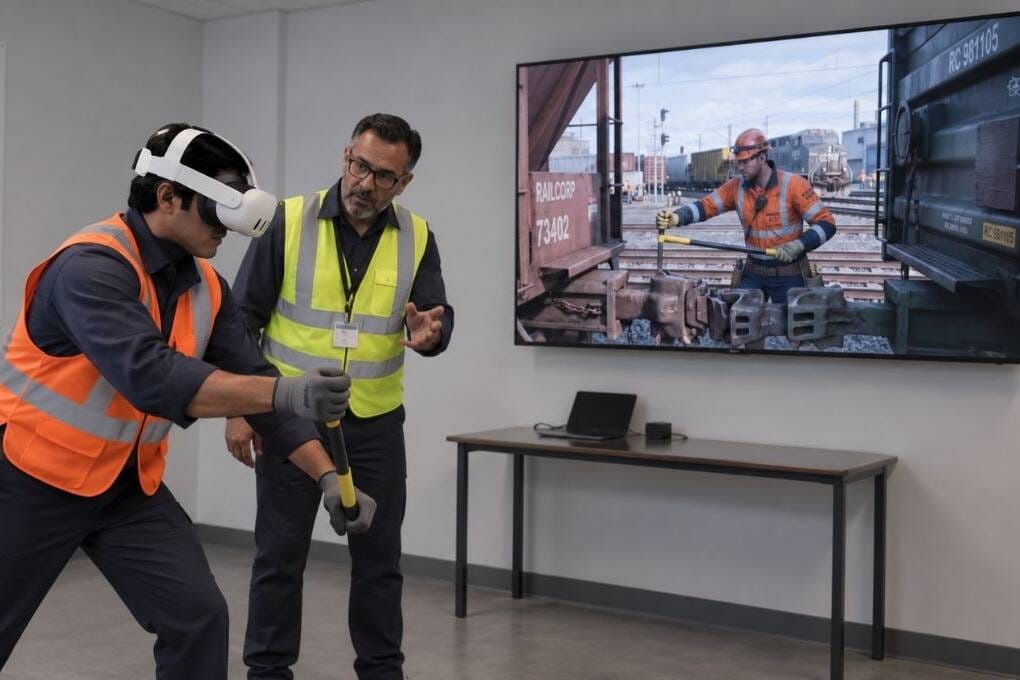
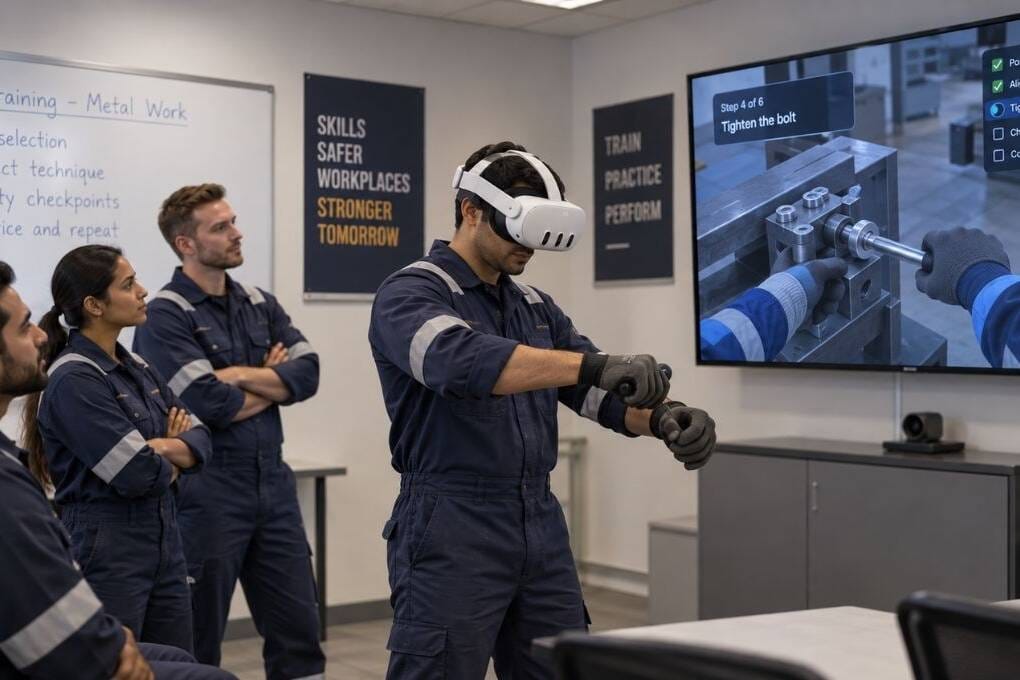
Instead of limiting immersive training to basic safety induction, oil and gas companies can use VR across upstream, downstream, terminals and fuel retail operations to help employees practise procedures and respond to situations before facing them in the field. Current industry deployments already cover areas including fire response, refinery equipment handling, fuel terminal operations, work at height and hazard response.
Upstream: Prepare Before the Field
Drilling Rig Operations
Workers can practise drill-floor procedures, equipment handling, red-zone awareness, pipe handling and safe responses to abnormal operating conditions without interrupting an active rig.
H₂S Emergency Response
H₂S emergencies demand fast decisions. VR can simulate gas alarms and help workers practise PPE selection, escape procedures, muster protocols and emergency response without exposing anyone to the actual hazard.
Well Control & Emergency Situations
Pressure changes, equipment failures and emergency conditions are difficult to reproduce safely during normal training. VR gives crews an environment where these situations can be introduced, repeated and assessed.
Downstream: Practise Without Disrupting the Plant
Refinery Operations & Process Training
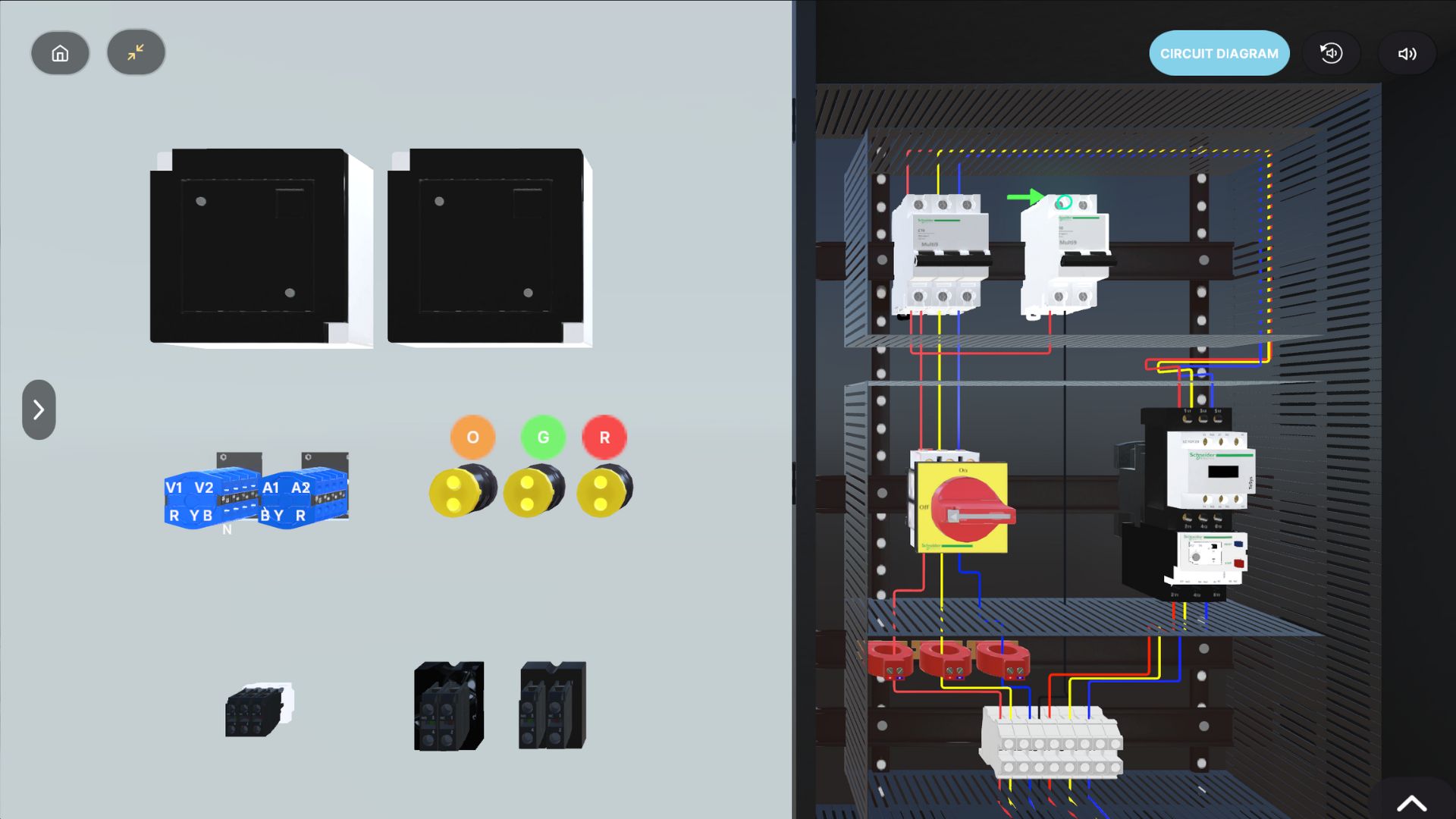
Operators can become familiar with refinery units, equipment, valves, controls and operating sequences before performing procedures in the actual plant. Current VR solutions are already being applied to units such as crude distillation, hydroprocessing and fuel blending.
Permit-to-Work & Isolation Procedures
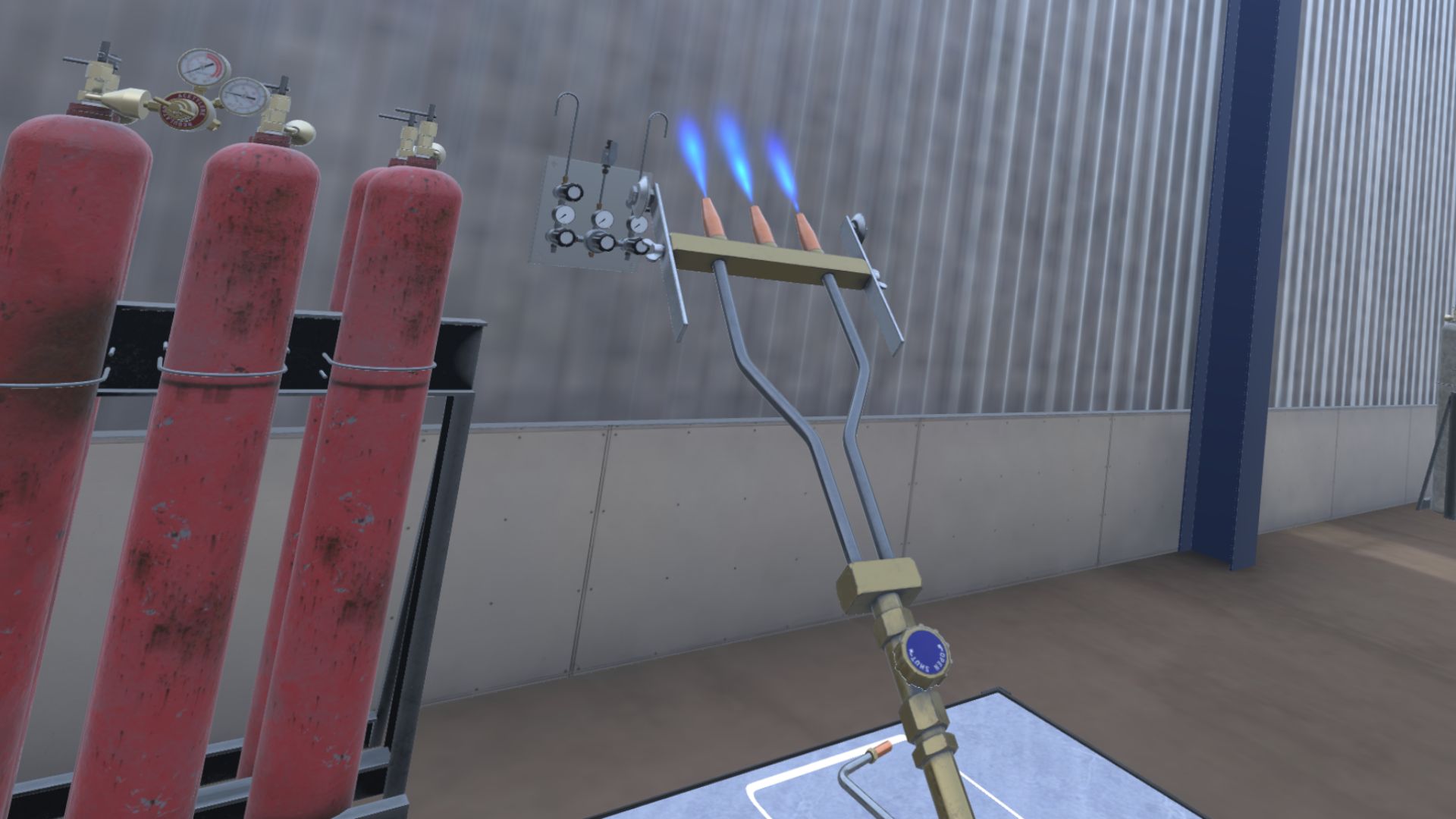
Hot work, maintenance and equipment isolation depend on following the correct procedure. VR can turn permit verification, gas testing, isolation and safety checks into an interactive exercise rather than a classroom-only lesson.
Fire & Emergency Response
What happens when a fire starts, visibility drops or the normal evacuation route becomes unavailable?
VR allows employees to practise alarm response, extinguisher selection, evacuation and emergency decision-making without creating an actual emergency.
Confined Space Entry
Tanks, vessels and other confined spaces introduce atmospheric, access and rescue risks. VR can help teams practise entry procedures, hazard identification, monitoring and emergency response before entering the real space.
Terminals & Logistics: Train the Entire Transfer Process
Fuel Loading & Unloading
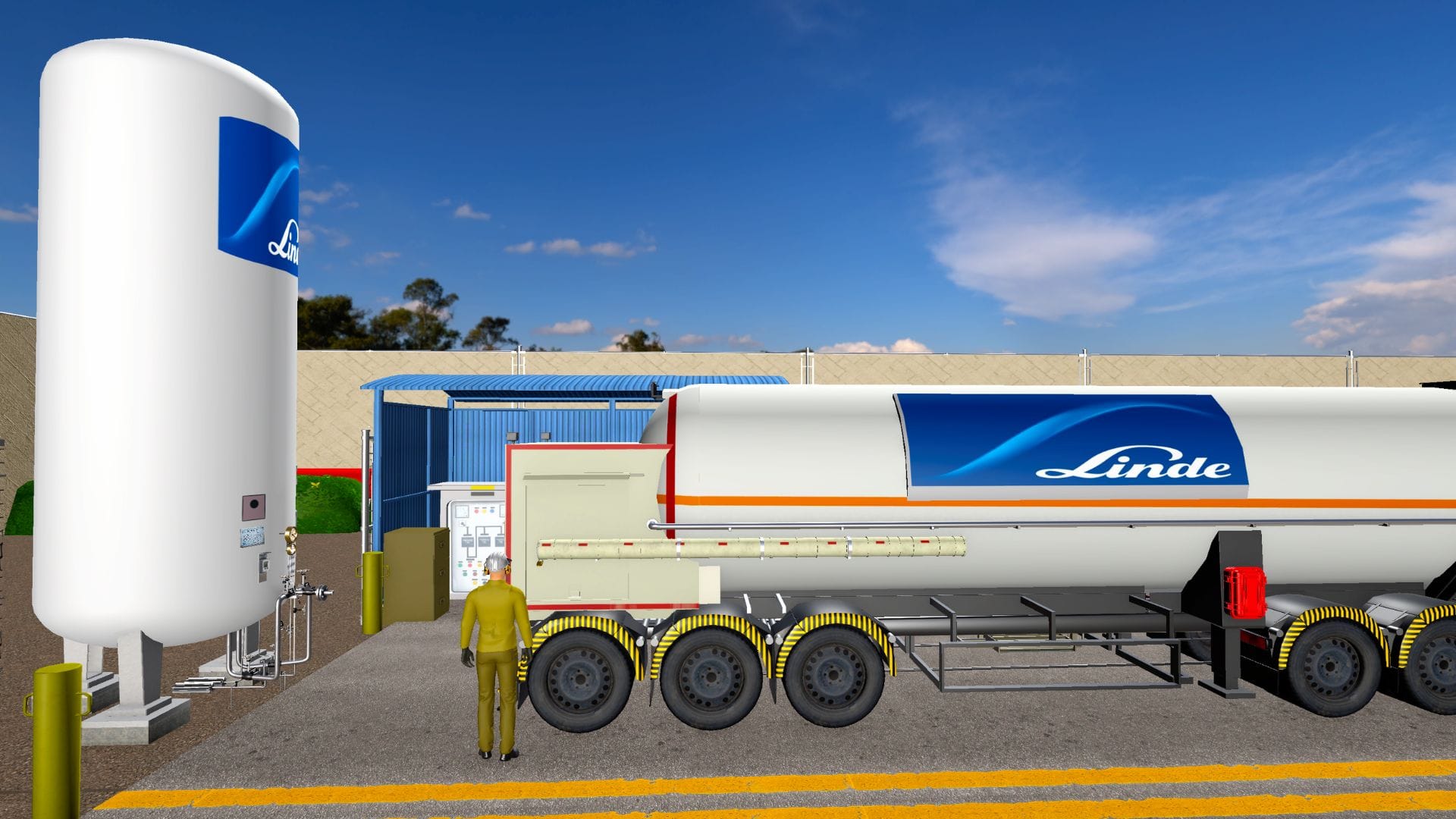
Terminal operators can practise tanker positioning, loading procedures, connection sequences, safety checks, spill prevention and emergency shutdown procedures. Fuel terminal loading is already among the operational scenarios being deployed through immersive training.
Tank Farm Operations
VR can recreate tank farms and help operators practise inspection, valve identification, product-transfer procedures and emergency situations without interfering with live operations.
Fuel Retail: Don't Stop Training at the Refinery Gate
Fuel Station Safety & Emergency Response
Fuel retail employees face their own set of risks.
VR training can simulate fuel spills, fire response, emergency shutdowns, tanker unloading, customer safety situations and evacuation procedures in a realistic virtual station.
This makes immersive training relevant across the complete journey:
Upstream → Refinery → Terminal → Fuel Retail
Build VR Training Around Your Oil & Gas Operations
Every drilling operation, refinery, terminal and fuel retail network works differently.
Spatio develops VR training solutions around the actual training requirement, from ready-to-deploy safety modules to custom simulations that recreate specific equipment, environments, workflows and SOPs.
The objective is simple: give your workforce the opportunity to experience critical situations before they have to face them for real.