
AI Is Changing XR Training - But Not in the Way You Think
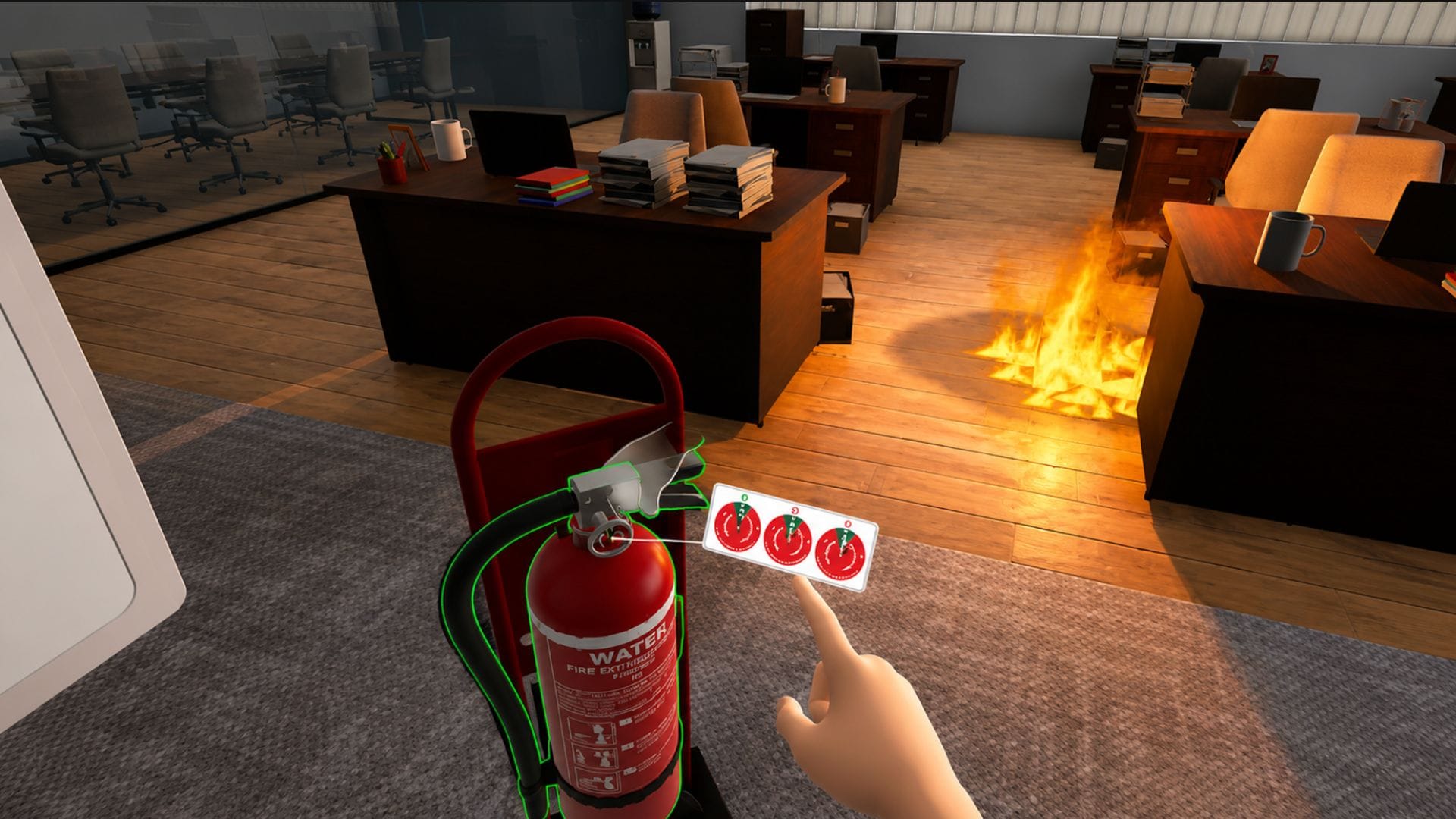
For years, XR training was defined by one thing: immersion.
How real does it look?
How closely does it replicate the environment?
How engaging is the experience?
That was the benchmark.
But in 2026, the conversation is shifting.
Because the real transformation isn’t coming from better graphics or lighter headsets.
It’s coming from intelligence layered on top of immersion.
AI is quietly redefining what XR training is supposed to do.
From Experience to Intelligence
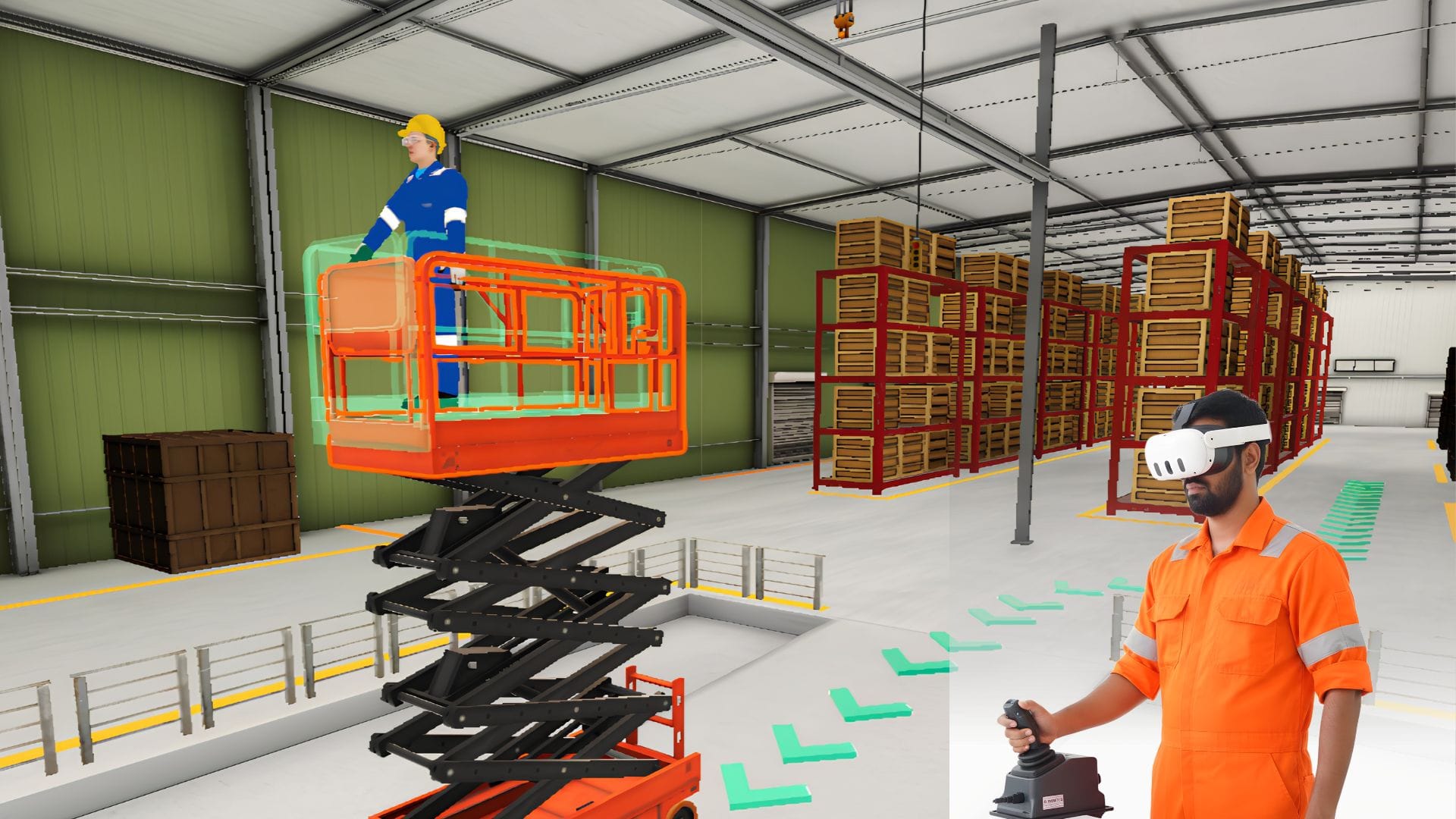
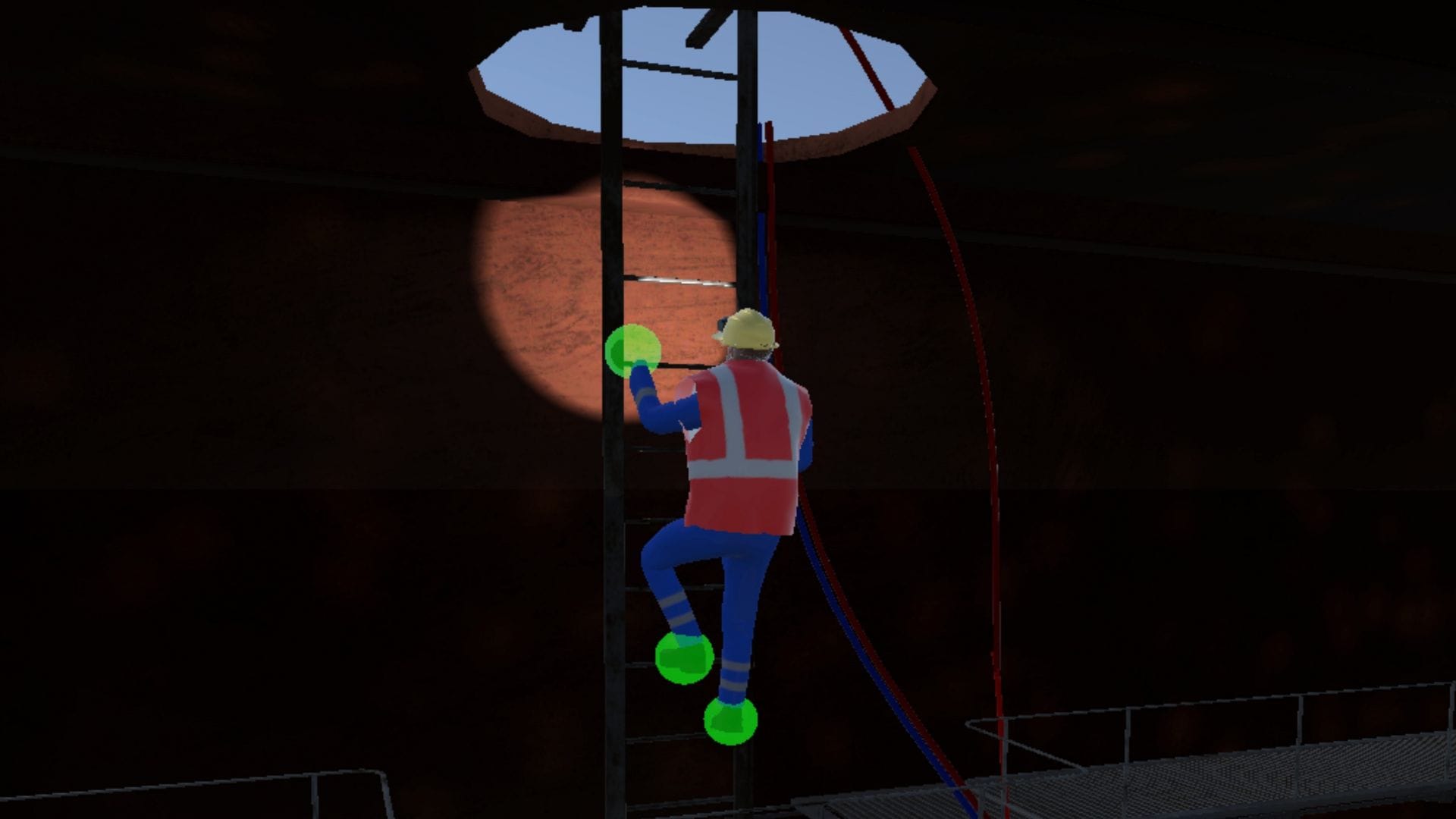
XR solved one major problem in training: how to simulate real-world environments safely and repeatedly.
But it left another question partially answered:
How do we know if someone is truly ready?
This is where AI steps in.
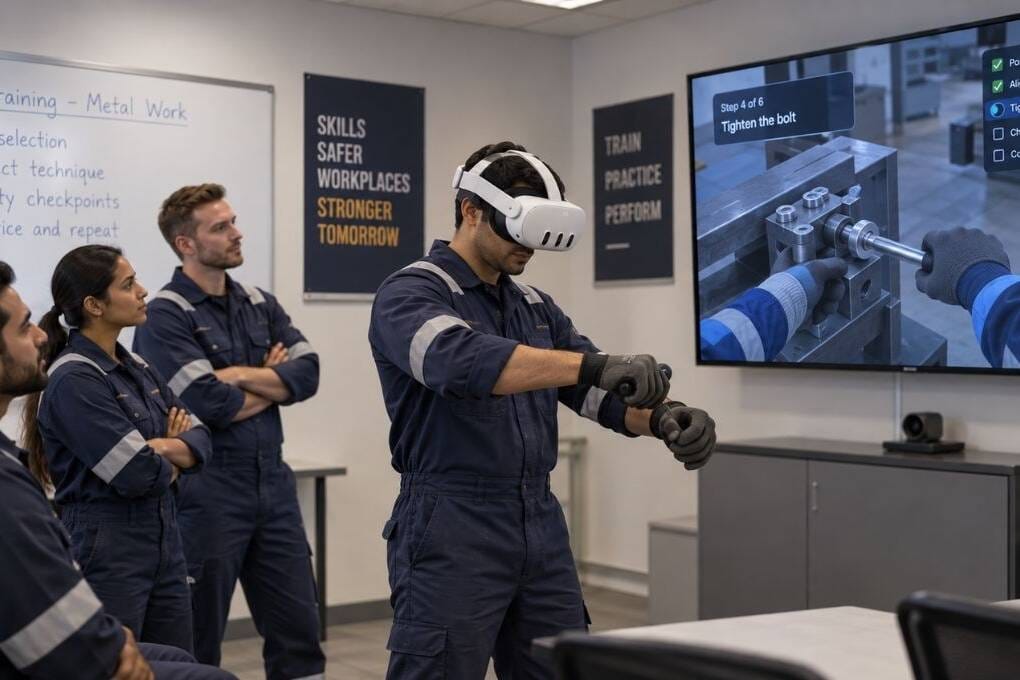
Modern XR systems are no longer just delivering simulations. They are observing behavior, analyzing patterns, and generating insights.
Training is no longer just:
- “Did the user complete the module?”
It becomes:
- Where did they hesitate?
- Which step took longer than expected?
- What errors are repeated across users?
- Who is confident, and who is guessing?
This shift turns XR from an experience layer into a decision-making system for training leaders.
AI Makes Training Adaptive, Not Static
Traditional training — even in VR — has largely been linear.
Everyone goes through the same flow.
Everyone sees the same scenarios.
Everyone is evaluated the same way.
AI breaks that rigidity.
Training can now adapt in real time:
- Slower learners receive contextual prompts
- Confident users move faster or face advanced scenarios
- Repeated mistakes trigger targeted reinforcement
This is where XR training begins to feel less like a module and more like a coaching system.
The End of Guesswork in Skill Assessment
One of the biggest challenges in industrial training has always been assessment.
Supervisors rely on observation.
Trainers rely on experience.
Organizations rely on completion metrics.
None of these fully capture readiness.
AI changes that by introducing behavioral analytics inside XR environments:
- Time taken per action
- Sequence accuracy
- Error frequency
- Response under pressure
At Spatio, this is where AXIS, our AI-enabled LMS, plays a critical role.
AXIS doesn’t just record completion. It interprets performance.
It helps managers understand:
- where trainees hesitate
- which SOP steps consistently fail
- how different cohorts perform across locations
- who is truly ready for deployment
This is the shift from training visibility to training intelligence.
Reducing Dependency on Trainers Without Removing Them
Training has always been resource-heavy.
It depends on:
- experienced trainers
- available equipment
- structured schedules
As organizations scale, these dependencies become bottlenecks.
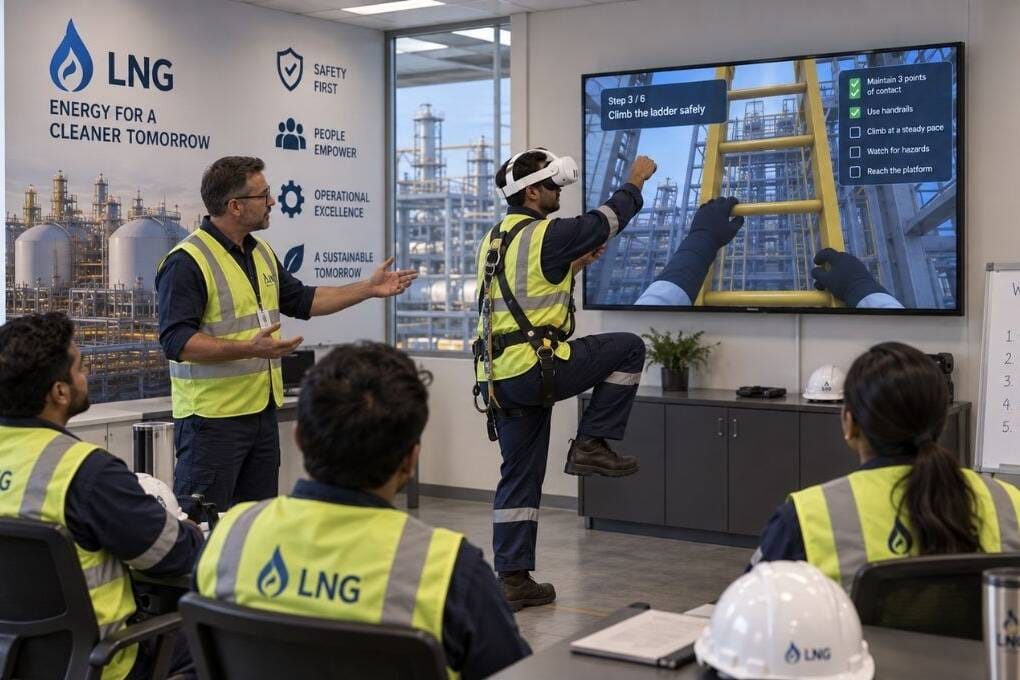
AI-enabled XR systems reduce this load by embedding guidance directly into the experience:
- contextual nudges during tasks
- automated feedback after actions
- self-paced learning flows
- intelligent intervention when users are stuck
With AXIS, this intelligence continues beyond the headset.
Managers and trainers can review performance patterns and intervene where it actually matters.
The result is not fewer trainers.
It is more effective trainers, supported by data.
From Training Events to Learning Systems
The biggest impact of AI on XR training is structural.
Training is no longer:
- a scheduled activity
- a one-time certification
- a static curriculum
It becomes a continuous loop:
learn → perform → analyze → improve
AI closes the gap between training and real-world performance.
Organizations begin to see:
- faster onboarding
- better retention
- reduced safety incidents
- improved consistency across teams
The Shift Toward Predictive Training
Perhaps the most powerful outcome is this:
Training is becoming predictive.
Instead of identifying problems after they occur, AI-enabled systems like AXIS can surface patterns early:
- trainees likely to struggle in live environments
- steps that consistently create confusion
- teams that require additional reinforcement
This allows organizations to act before mistakes happen.
In high-risk industries, that’s not an improvement. That’s a transformation.
To summarize..
XR made training immersive. AI is making it intelligent.
Together, they are transforming training from a support function into a strategic capability.
At Spatio, with XR simulations powered by AXIS, we see this shift clearly.
Training is no longer about exposure. It’s about readiness.
And readiness is no longer assumed. It is measured, understood, and continuously improved.