XR Training and Spatial Computing in 2026: The Trends Redefining Enterprise Learning
Summarize with AI
For the past few years, XR sat in a strange place inside enterprises.
It was exciting.
It was demo-worthy.
But it wasn’t always essential.
That’s changing.
2026 is shaping up to be the year XR training quietly moves from innovation theatre to operational necessity. Not because the tech suddenly got better, but because the problems it solves have become harder to ignore.
Workforces are changing. Training timelines are shrinking. And the margin for error is thinner than ever.
XR Is Finally Growing Up
The biggest shift isn’t visual quality or hardware specs.
It’s intent.
Organizations are no longer asking,
“Can we build a VR experience?”
They’re asking,
“Can we train faster, safer, and more consistently?”
That shift turns XR from a side experiment into a performance tool.
Training is no longer about exposure. It’s about readiness.
Spatial Computing Changes the Game Without Making Noise
You’ll hear the term “spatial computing” more often now.
It sounds like a buzzword, but the idea is simple:
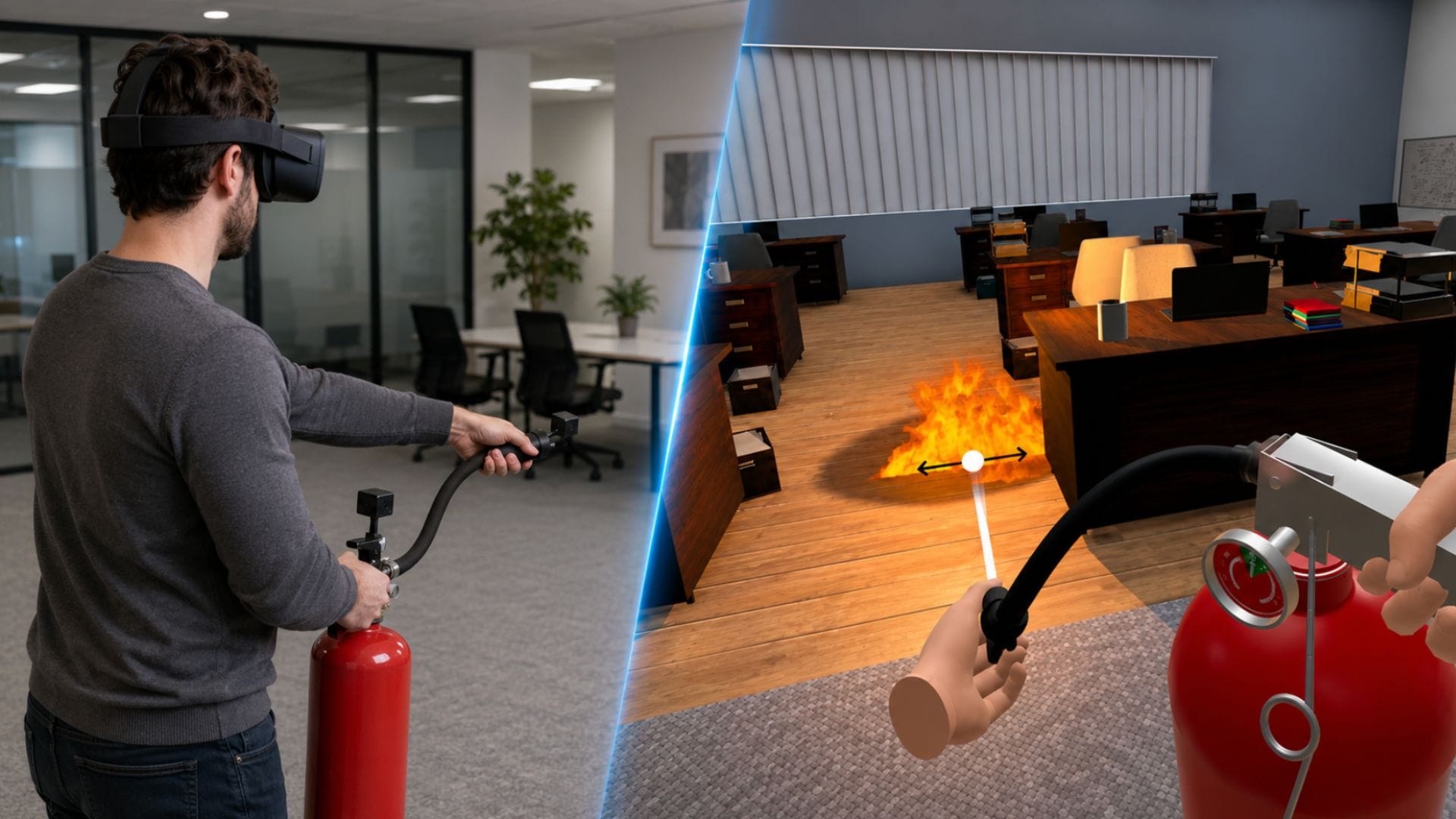
digital training that lives inside your physical environment.
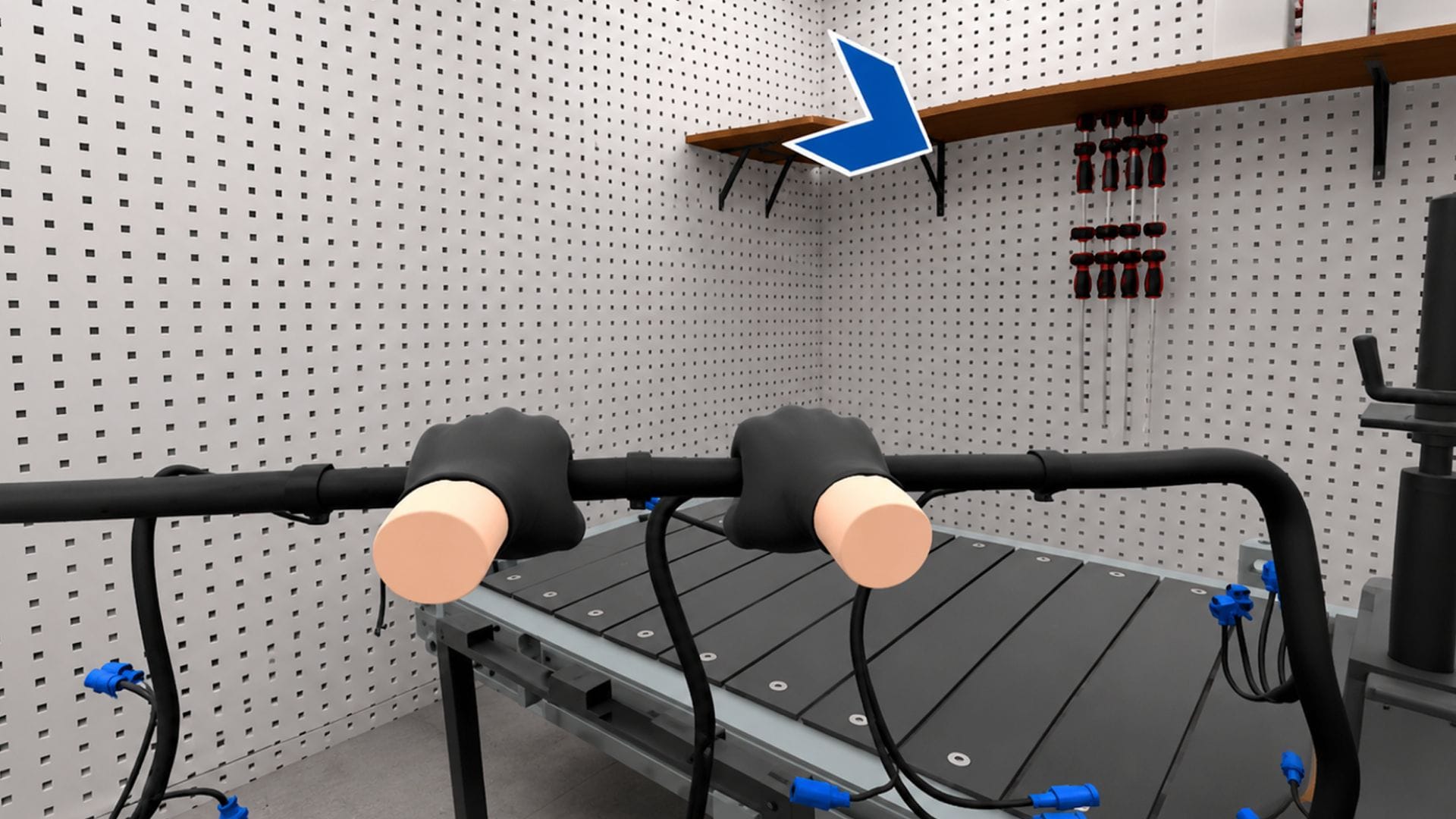
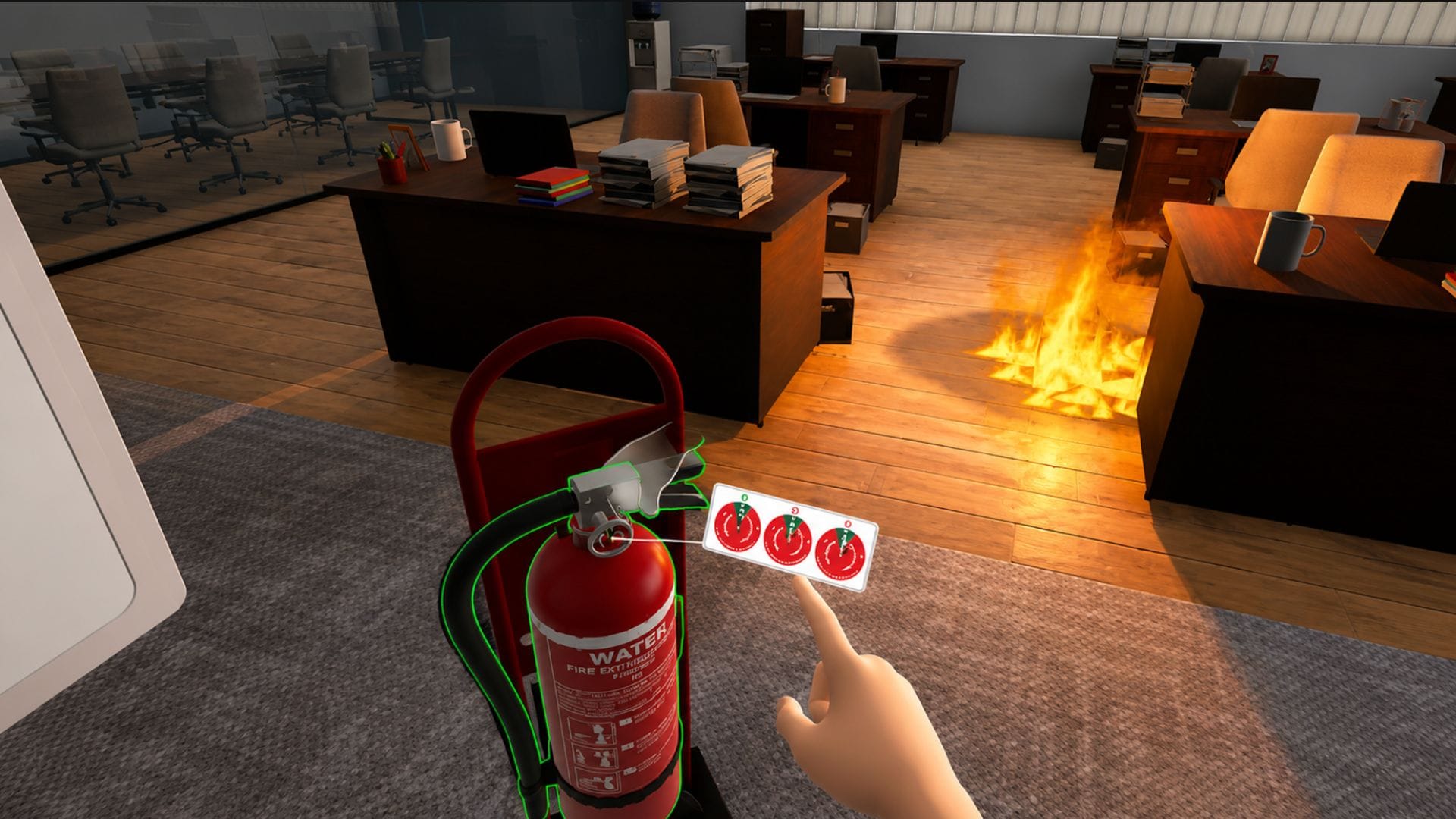
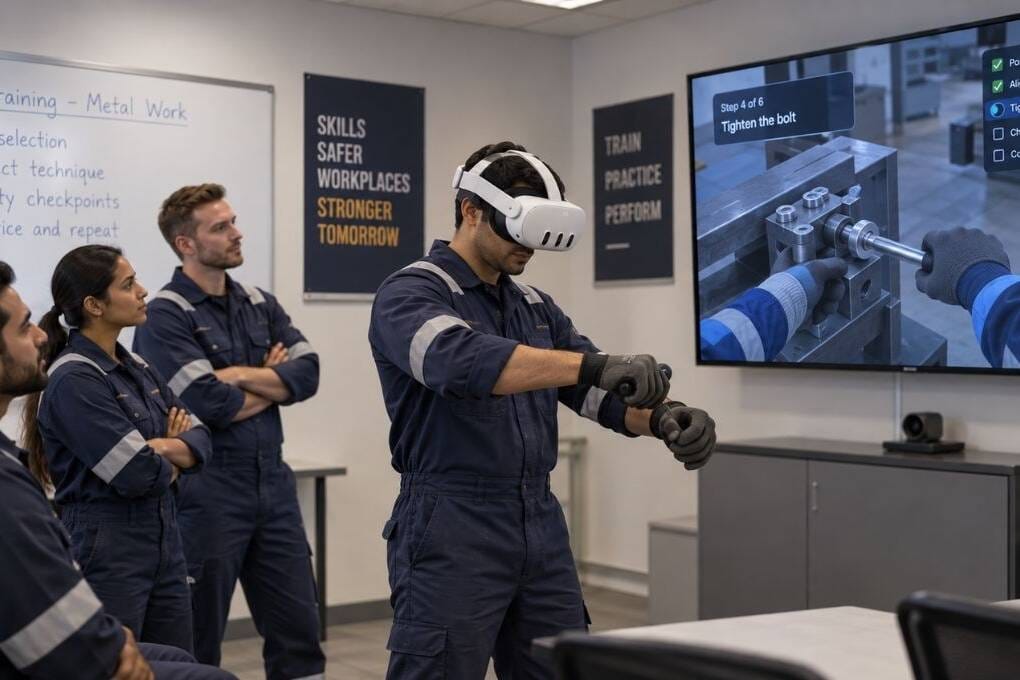
Instead of learning about a system, you learn within it.
Instead of imagining a workflow, you move through it.
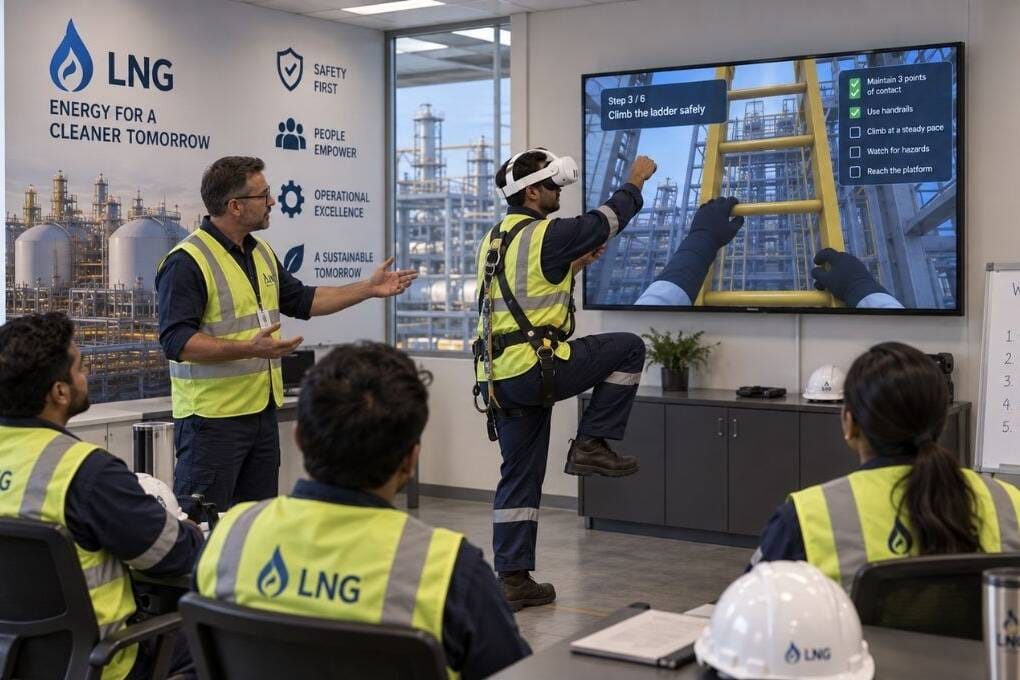
That subtle shift changes expectations. Training is no longer something you attend. It’s something you experience.
And once teams get used to that, going back feels… slow.
AI Is Becoming the Brain Behind XR Training
XR shows you what to do.
AI tells you how well you’re doing it.
That combination is where things get interesting.
Modern training systems are starting to answer questions that used to require supervisors, observations, and guesswork:
Where did the trainee hesitate?
Which step is consistently done wrong?
Who is actually ready, not just certified?
This is where XR stops being immersive and starts being intelligent.
Because the real value isn’t the simulation.
It’s the insight that comes out of it.
Not Everything Needs a Headset — Browser based modules are increasing
One of the more practical trends for 2026 is this:
XR training is no longer just XR.
Browser-based interactive modules are stepping in as the first layer of learning. They handle:
concepts
decision-making
SOP familiarization
Then XR takes over where it matters:
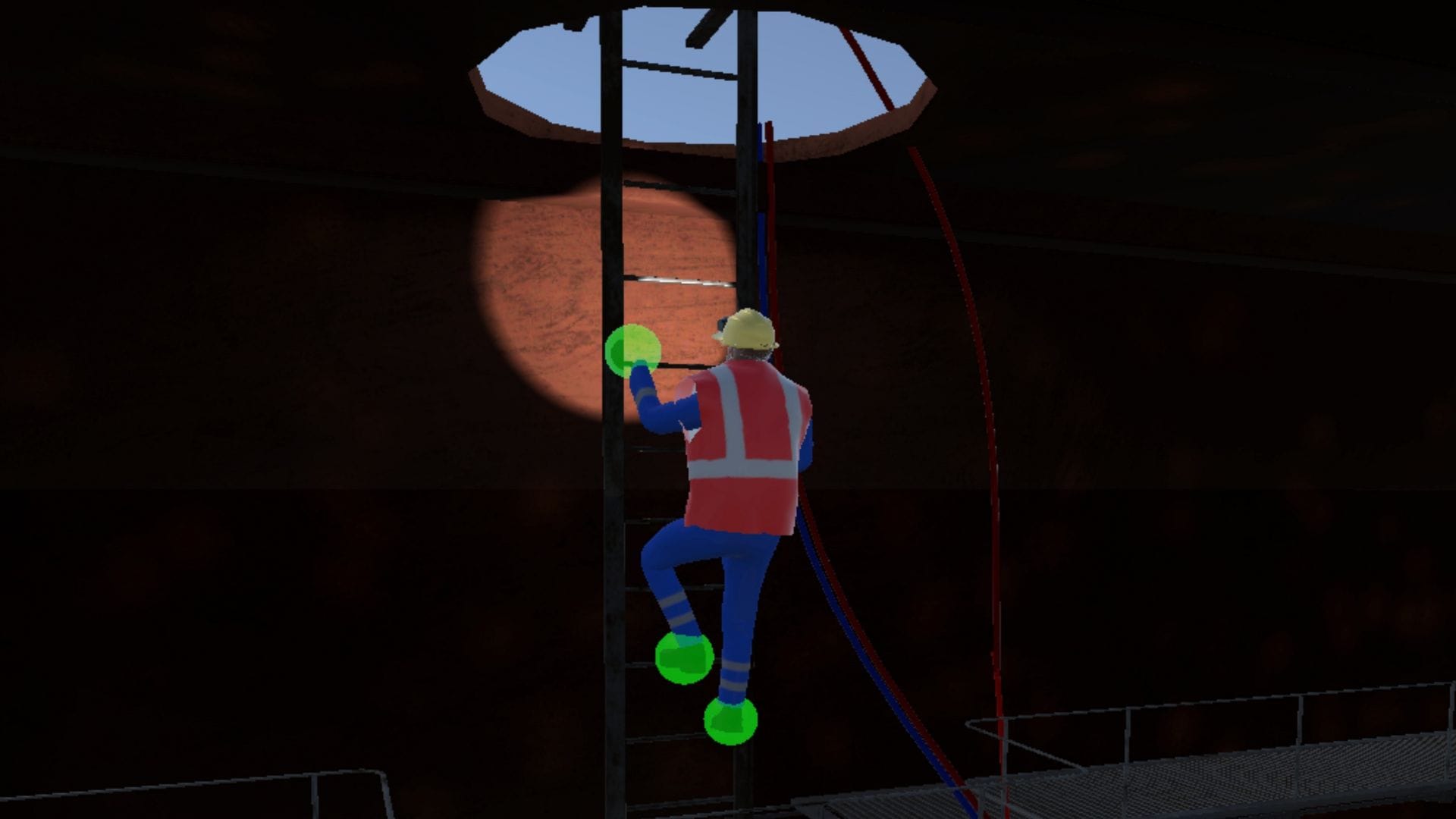
spatial awareness
sequencing
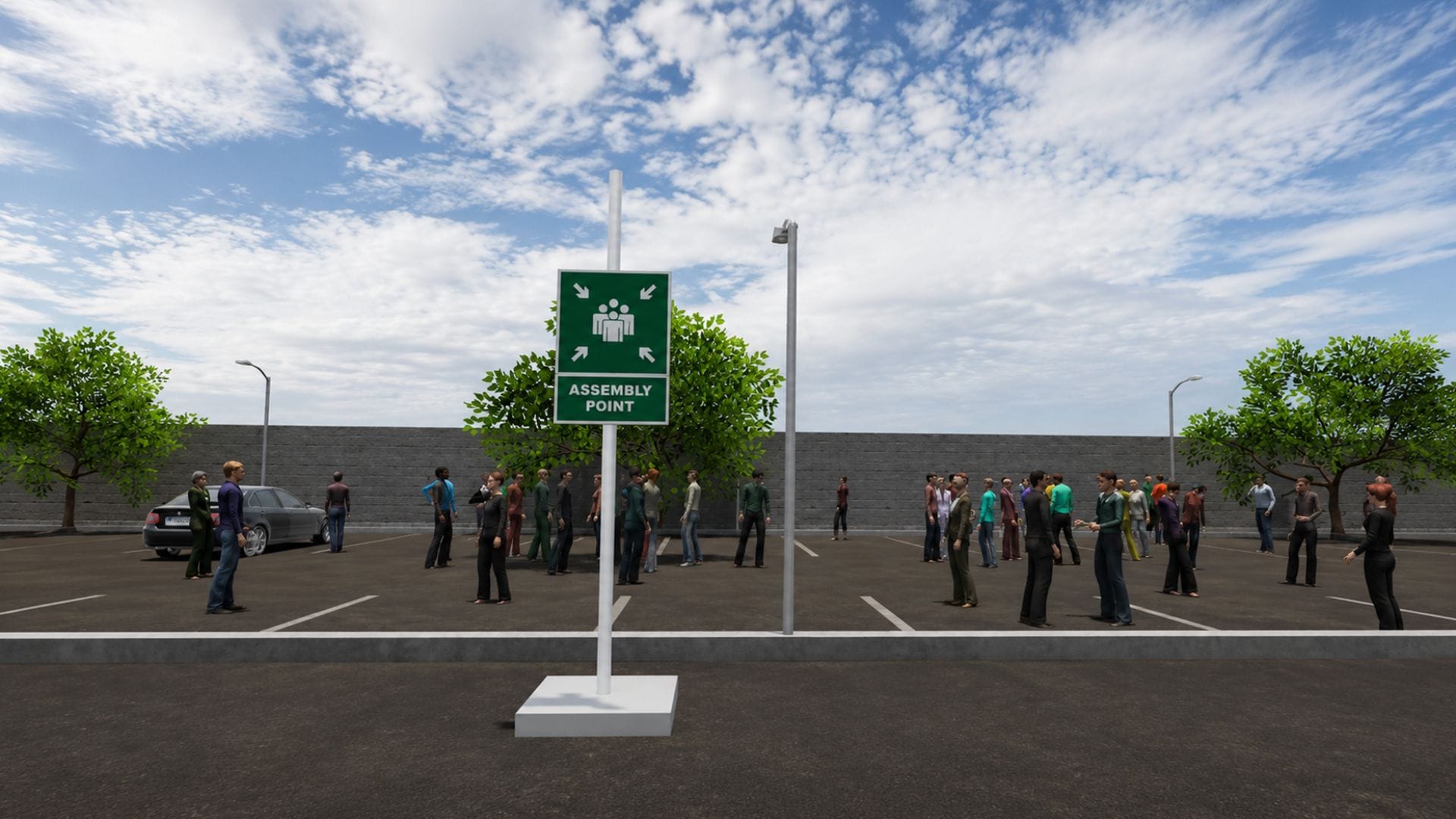
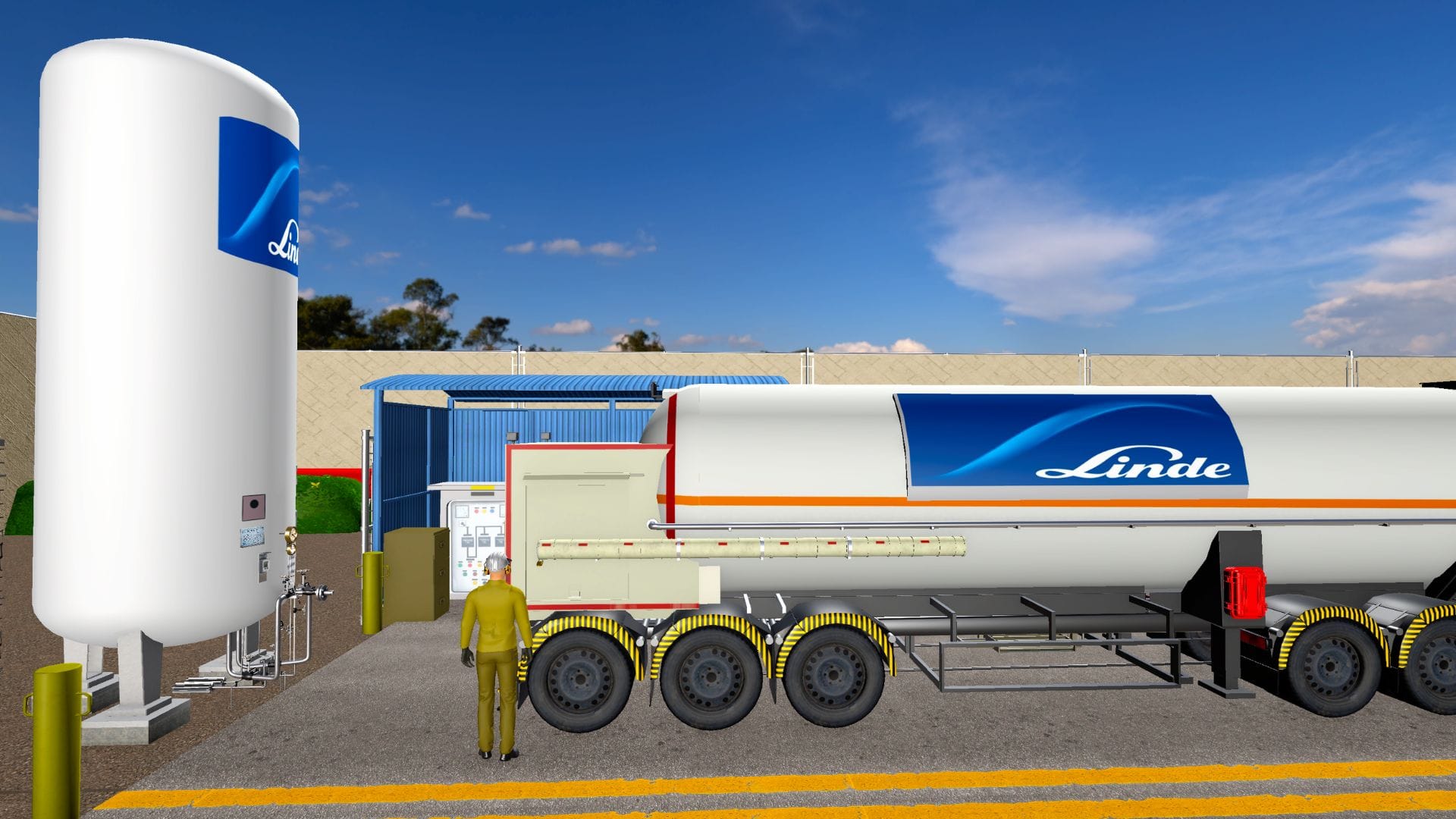
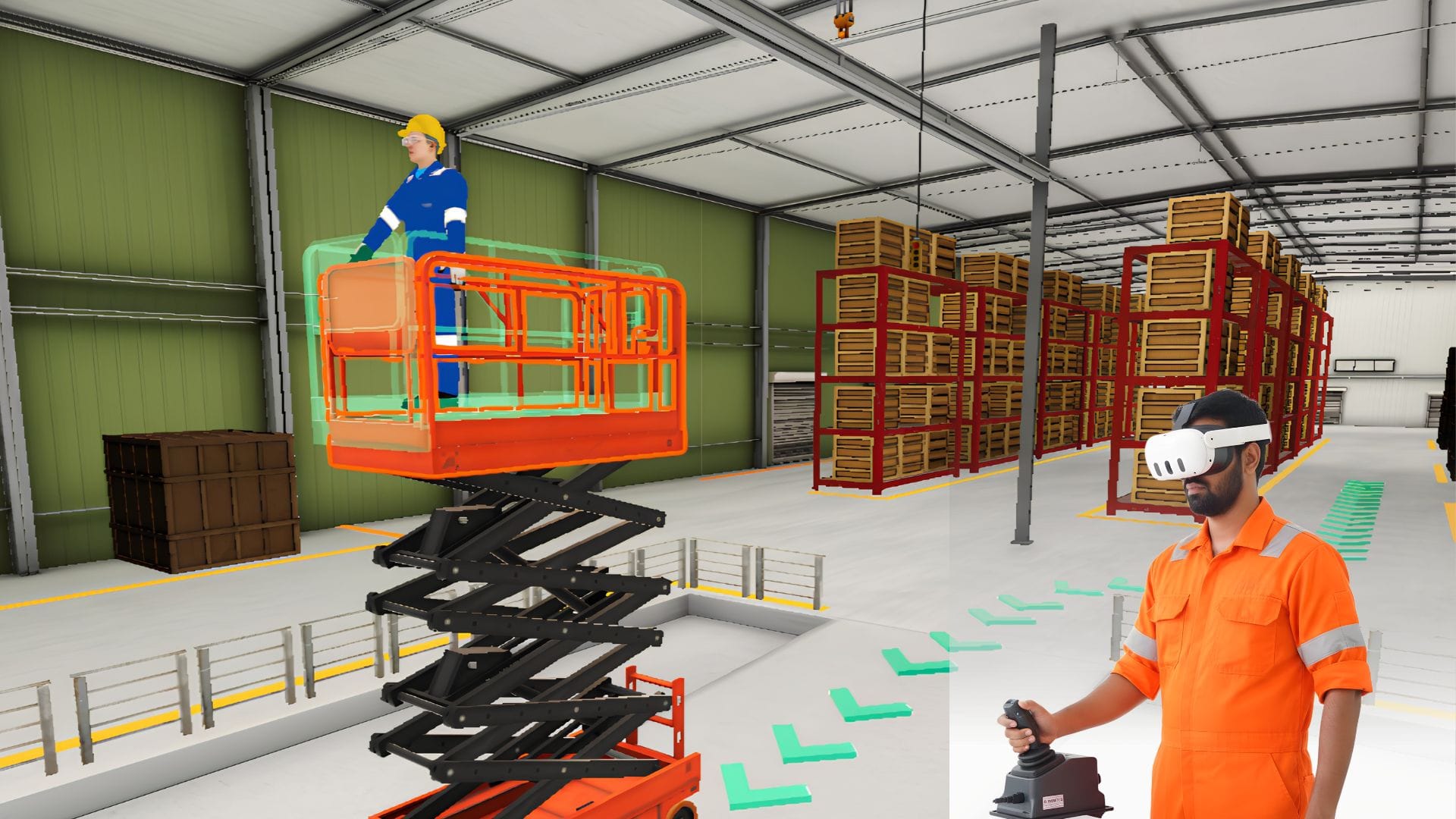
risk-based scenarios
This layered approach does two things really well:
it scales faster
it reduces dependency on hardware
And in large organizations, that’s the difference between a pilot and a rollout.
The Future Isn’t One Tool. It’s a Training Stack.
The most effective training environments in 2026 won’t be built around a single format.
They’ll look more like a system:
browser-based learning for accessibility
XR for experience
AI for measurement
Different layers, working together.
Because training isn’t a moment anymore.
It’s an ecosystem.
So What Should Business Leaders Actually Do?
Not everything needs to change overnight.
But a few shifts are becoming hard to ignore:
Stop treating XR as a one-off project
Start linking training directly to performance metrics
Use lightweight modules to scale learning early
Introduce immersive training where risk and repetition matter
Build feedback loops into every training experience
The goal isn’t to “adopt XR.”
The goal is to build a training system that keeps up with how people actually learn today.
What's next?
XR in 2026 won’t be defined by how real it looks. It will be defined by how useful it is.
And the organizations that get this right won’t just train better. They’ll operate better.
Because when people learn faster, safer, and more consistently — everything downstream improves.