
Beyond the Pilot: How Industrial Organizations Scale VR Training into Workforce Readiness
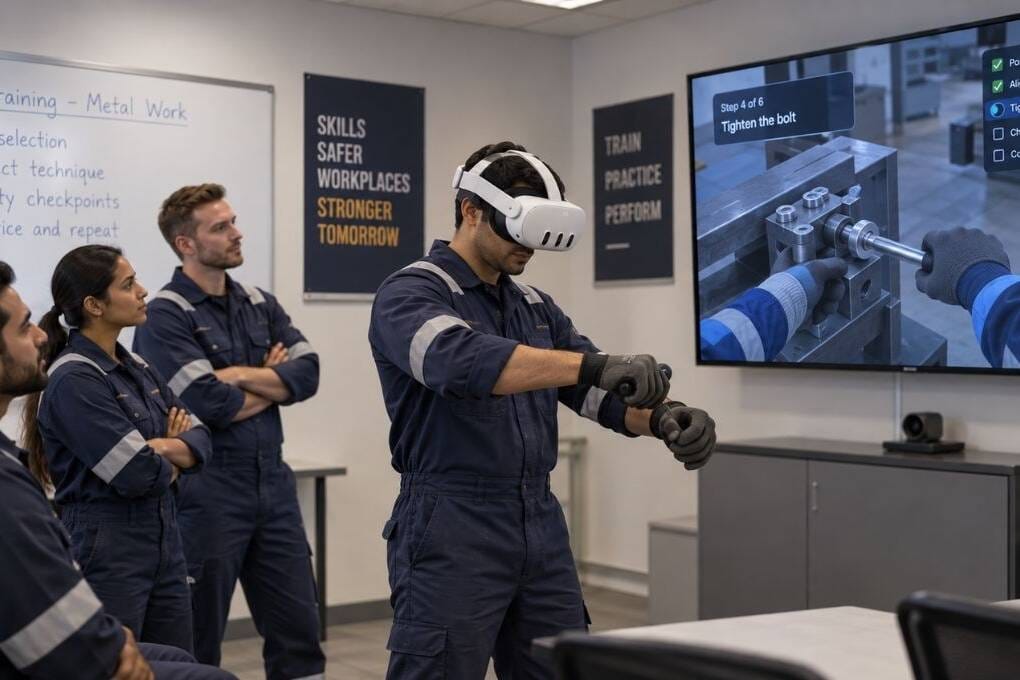
Industrial VR training succeeds when organizations treat it as a workforce readiness initiative rather than a technology deployment. While many companies successfully launch pilot programs, only a small percentage scale VR training across operations. The difference is rarely the headset or the content itself. It comes down to stakeholder alignment, use case selection, measurable outcomes, and a clear deployment strategy.
The Workforce Readiness Gap
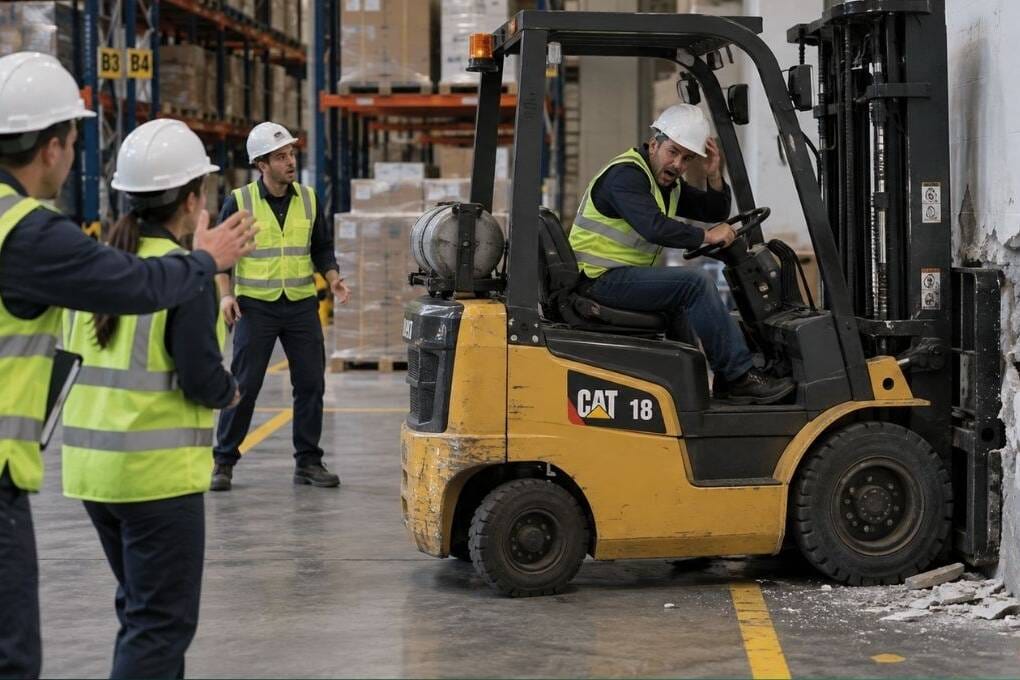
Across manufacturing plants, shipyards, utilities, construction sites, and industrial facilities, organizations are investing heavily in workforce development. Yet many still struggle with the same challenge: training completion does not necessarily translate into workforce readiness.
Employees may attend training sessions, complete assessments, and receive certifications, but that does not guarantee they can confidently execute procedures under real-world conditions.
This gap between training completion and operational readiness is becoming increasingly important as industries face growing pressure from labor shortages, knowledge transfer challenges, evolving safety requirements, and increasing operational complexity.
As a result, leading organizations are beginning to rethink how training is delivered, measured, and scaled.
Virtual Reality is emerging as a powerful part of that conversation.
Why Many Industrial VR Initiatives Never Move Beyond the Pilot
Most industrial organizations start their VR journey with a pilot program.
The logic is sound. Test the technology, gather feedback, measure results, and then expand.
However, many projects stall after this stage.
The reason is often simple. The pilot was designed to prove that VR works, rather than proving how it creates measurable business value.
When organizations focus primarily on the technology, they often overlook the operational framework required for long-term success.
Successful deployments are typically built around clear business objectives such as:
- Reducing safety incidents
- Improving procedural compliance
- Accelerating onboarding
- Standardizing training across locations
- Improving workforce readiness
- Reducing training-related downtime
When these objectives are established from the beginning, scaling becomes significantly easier.
The Industrial VR Training Deployment Maturity Model
Organizations that successfully scale immersive learning often follow a predictable progression.
| Stage | Primary Focus |
| Experimentation | Evaluate VR through a pilot project |
| Validation | Measure training effectiveness and learner engagement |
| Operationalization | Integrate VR into existing training programs |
| Standardization | Deploy across sites, departments, or regions |
| Workforce Readiness | Use analytics and performance data to continuously improve competency |
The mistake many organizations make is assuming that pilot success automatically leads to enterprise adoption.
In reality, every stage requires new processes, stakeholder involvement, and measurement frameworks.
Start With the Right Use Case
Not every training challenge requires VR.
The strongest candidates are typically tasks that are:
- High-risk
- High-cost
- Difficult to replicate physically
- Performed infrequently but critically
- Operationally complex
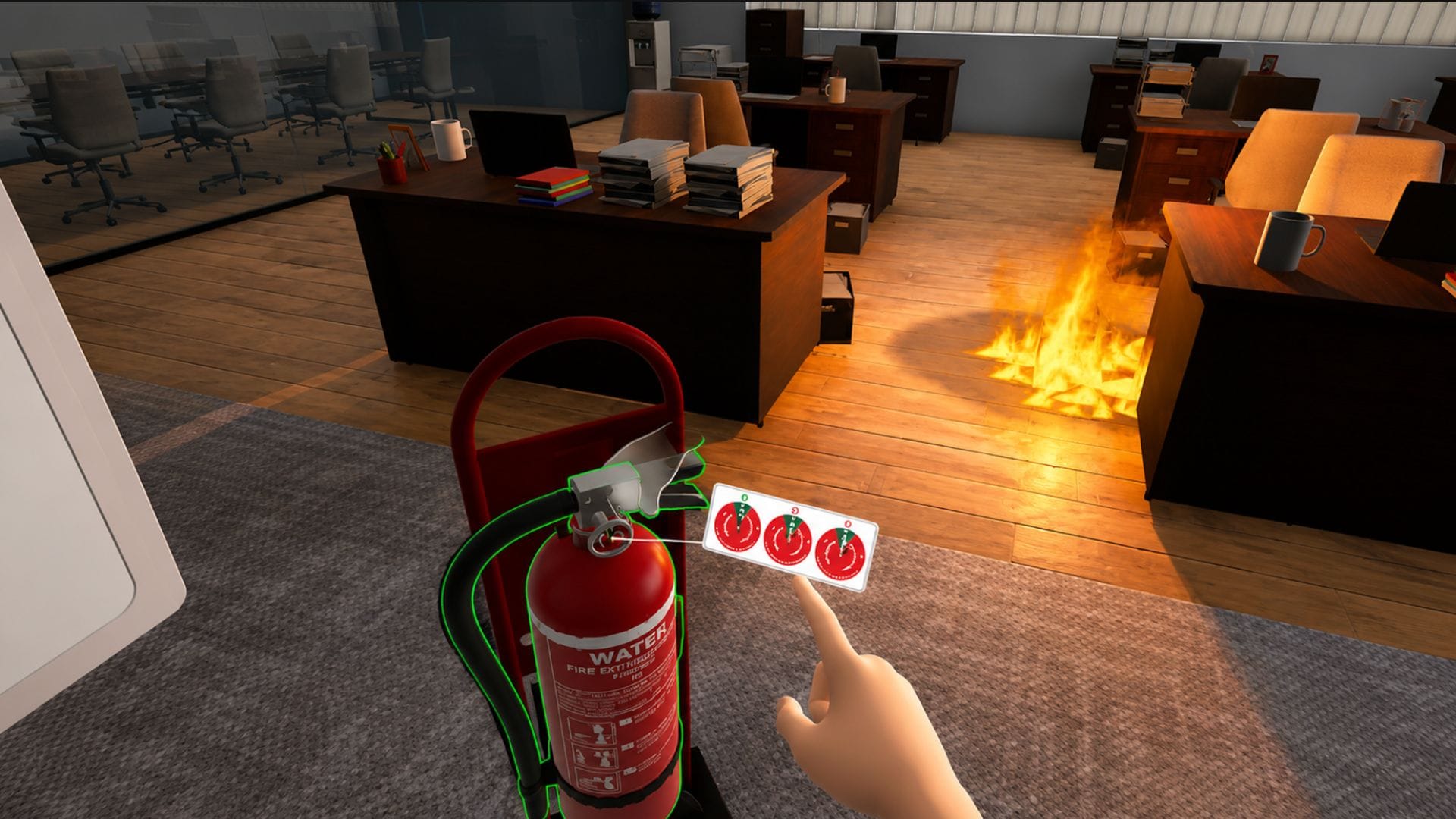
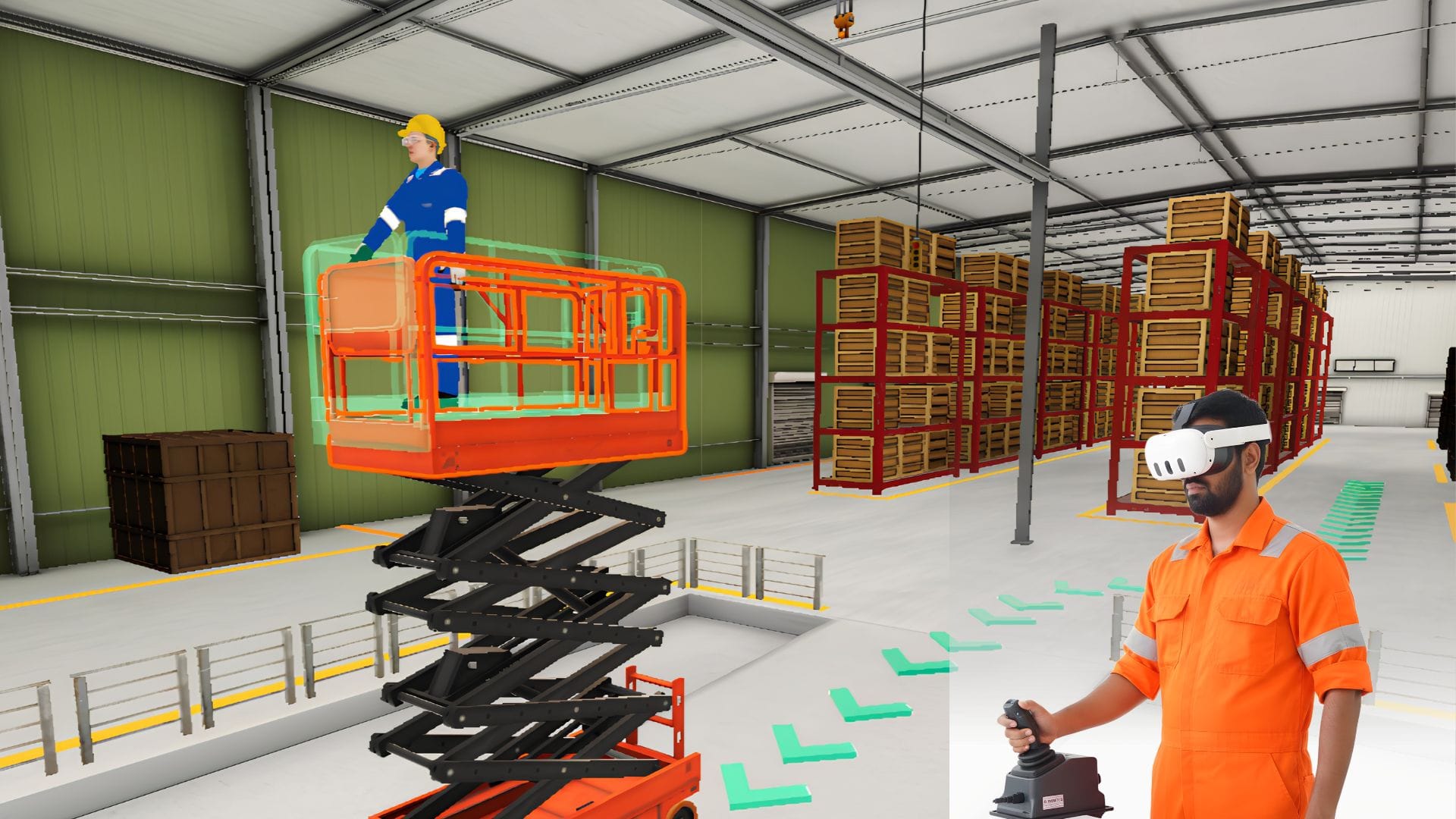
Examples include confined space entry, work at height, lockout tagout, emergency response, equipment operation, permit-to-work procedures, and maintenance activities.
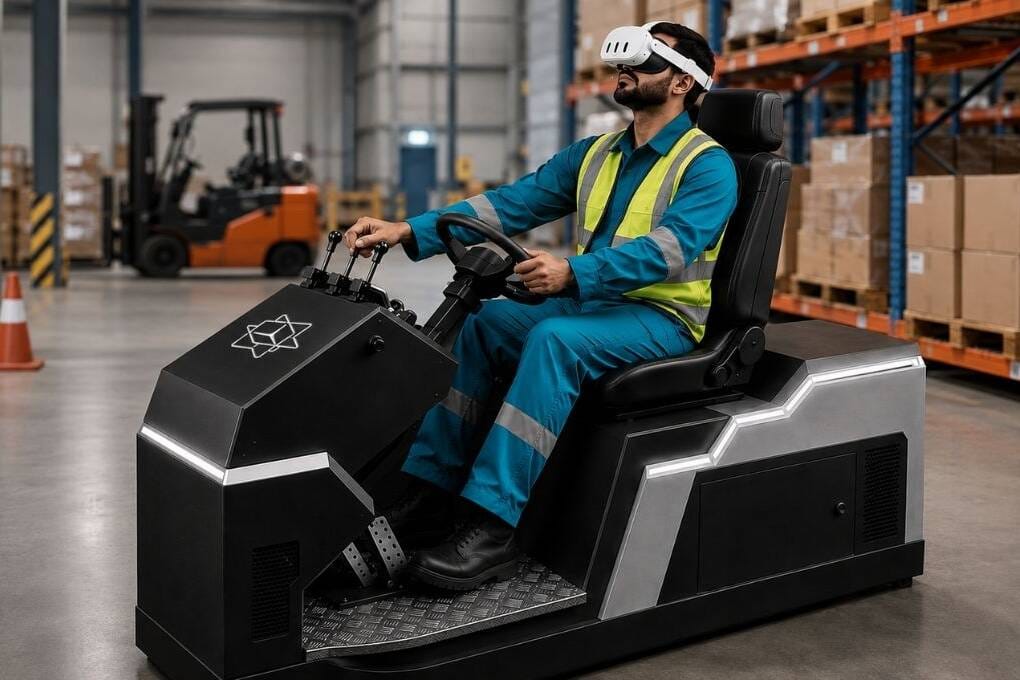
These scenarios benefit from immersive practice because mistakes in the real world can carry significant consequences.
Organizations that start with these use cases often see the strongest adoption and ROI outcomes.
Why Stakeholder Alignment Matters More Than Technology
Many VR projects are initiated by training teams alone.
The most successful deployments involve a much broader group of stakeholders.
Operations teams help ensure training reflects real workflows.
Safety teams ensure procedures and compliance requirements are accurately represented.
IT teams support deployment, device management, security, and integration requirements.
Learning and development teams ensure VR fits into broader workforce development initiatives.
Leadership teams provide the strategic direction and resources required for scale.
When these groups are aligned early, adoption tends to happen much faster.
Hardware Matters, But Outcomes Matter More
When organizations begin evaluating VR training, conversations often focus heavily on hardware.
Which headset should we use?
How many devices do we need?
What accessories are required?
These questions are important, but they rarely determine the success of a training program.
A more important question is:
“What outcome are we trying to achieve?”
Organizations that focus on measurable outcomes tend to make better technology decisions because the deployment model becomes clear.
For example, workforce onboarding, safety training, equipment operation, and recurring compliance programs all have different deployment requirements.
The goal should be selecting technology that supports the training strategy, not building the strategy around the technology.
Similarly, organizations should evaluate the long-term commercial model of their deployment. Subscription-heavy approaches can create ongoing operational costs, while perpetual licensing models may offer greater long-term predictability for enterprise-scale training programs.
Measuring Success Beyond Completion Rates
One of the biggest advantages of immersive learning is the ability to move beyond attendance-based training metrics.
Traditional programs often measure success using:
- Completion rates
- Training hours
- Assessment scores
While useful, these metrics do not always reflect operational readiness.
Modern training programs increasingly focus on:
- Time to competency
- Procedural accuracy
- Error reduction
- Safety performance
- Retention rates
- Workforce readiness indicators
These measurements provide a much clearer picture of whether training is creating meaningful operational impact.
Building for Scale From Day One
Organizations often think about scaling after a successful pilot.
The most effective programs plan for scale from the beginning.
This does not mean deploying hundreds of headsets immediately.
It means designing governance, reporting, support processes, and analytics frameworks that can support growth when the time comes.
This is where centralized training platforms become increasingly important.
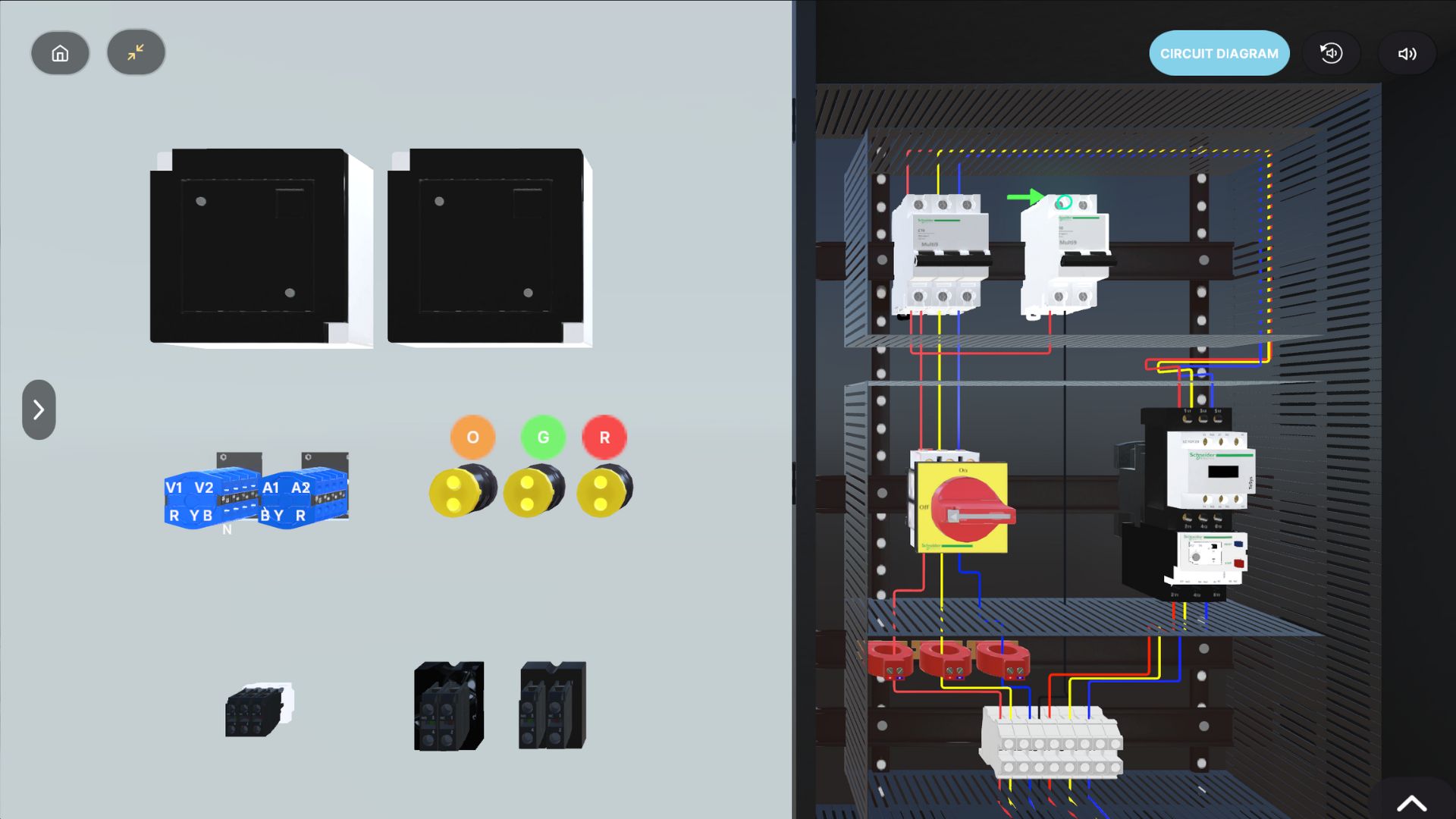
Training content, user management, competency tracking, reporting, and analytics all need to work together to support a growing workforce.
Without this foundation, scaling becomes difficult regardless of how effective the content may be.
The Future of Industrial Training
Industrial training is moving toward a future where completion alone is no longer enough.
Organizations increasingly want evidence that workers are prepared to perform tasks safely, consistently, and effectively.
The next evolution of immersive learning is not simply more realistic simulations.
It is better visibility into workforce readiness.
Training analytics, competency tracking, and learning management platforms such as AXIS are helping organizations move toward a model where workforce readiness can be measured, monitored, and continuously improved.
The companies that embrace this shift will be better positioned to scale operations, onboard new workers faster, maintain compliance, and improve overall operational performance.
Conclusion
Virtual Reality has already proven its value as a training tool. The bigger challenge now is turning successful pilots into sustainable workforce readiness programs.
Organizations that focus solely on technology often struggle to scale. Those that focus on business outcomes, stakeholder alignment, competency development, and measurable performance are far more likely to succeed.
The future of industrial training will not be defined by how many people complete a course.
It will be defined by how confidently organizations can demonstrate that their workforce is ready for the work ahead.