
Spatio developed a hand-tracked VR work-at-height simulator that prepares industrial workers to identify hazards, select PPE, and make safer decisions at elevated workplaces.
Client
Adani
Type
VR Work at Height Safety Training Simulator
Platform
- Meta Quest 3
- Hand Tracking
- Adaptive Evaluation System
- LMS Integration & Analytics
Scope of Work
- Scenario Design
- VR Development
- Height Progression Simulation
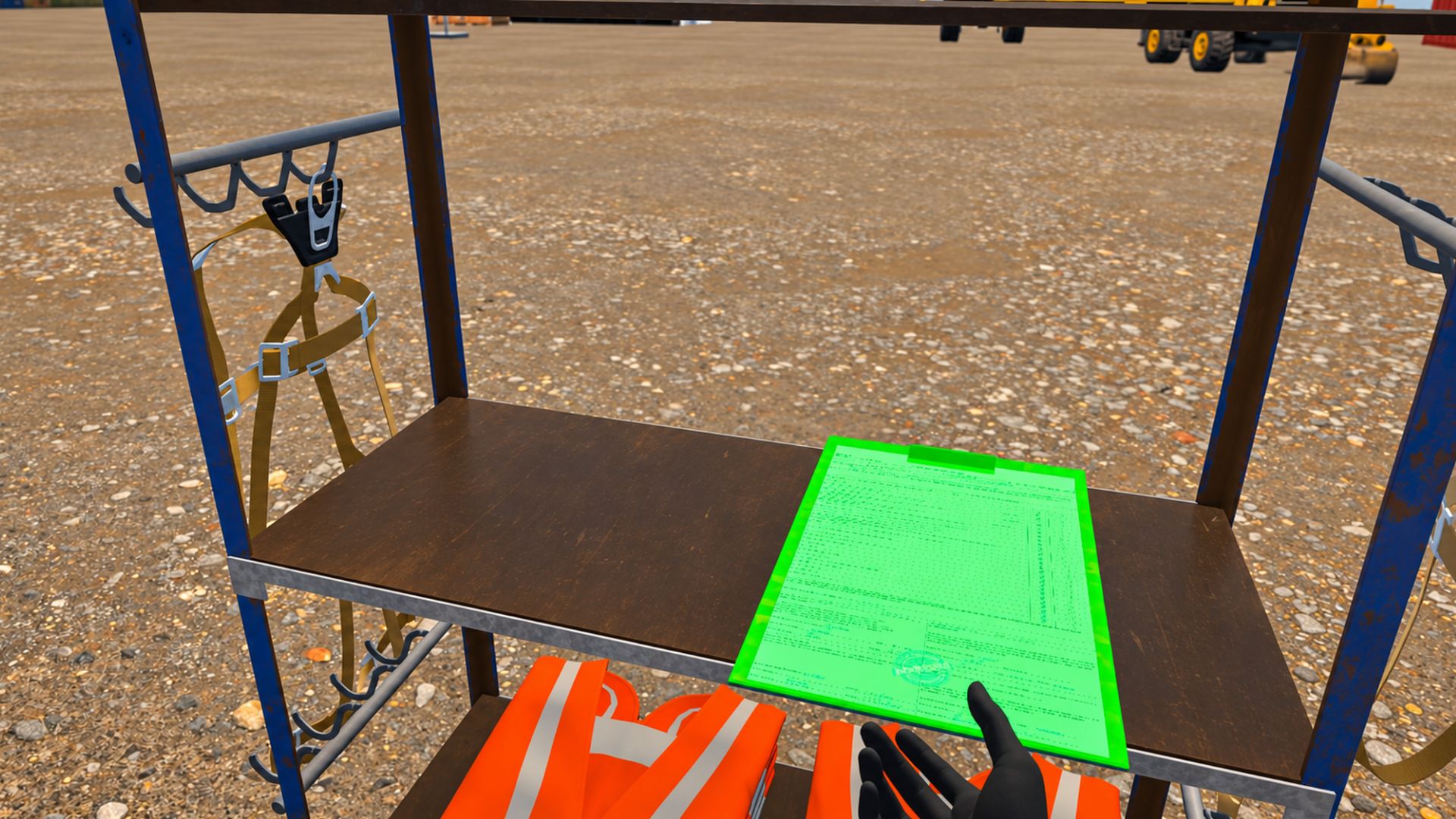
- PPE Selection & Interaction
- Assessment & Evaluation
- LMS Integration & Analytics
The Challenge
Working at height exposes employees to changing environmental conditions, equipment-related risks, and potential fall hazards. Workers must recognize unsafe conditions, select appropriate personal protective equipment (PPE), and follow the correct safety procedures before accessing elevated work areas.
Traditional classroom training can communicate safety requirements but offers limited opportunities for workers to practise identifying hazards and making decisions in realistic elevated environments. Conducting repeated practical exercises at actual heights also introduces additional safety risks and logistical challenges.
Adani needed a scalable training solution that could prepare field workers for different height-related situations while providing measurable insights into their safety awareness and decision-making.
Spatio developed an immersive VR Work at Height Safety Training Simulator, enabling workers to progress through elevated environments, identify hazards, and practise safe working procedures without exposure to actual fall risks.
The Simulator Experience
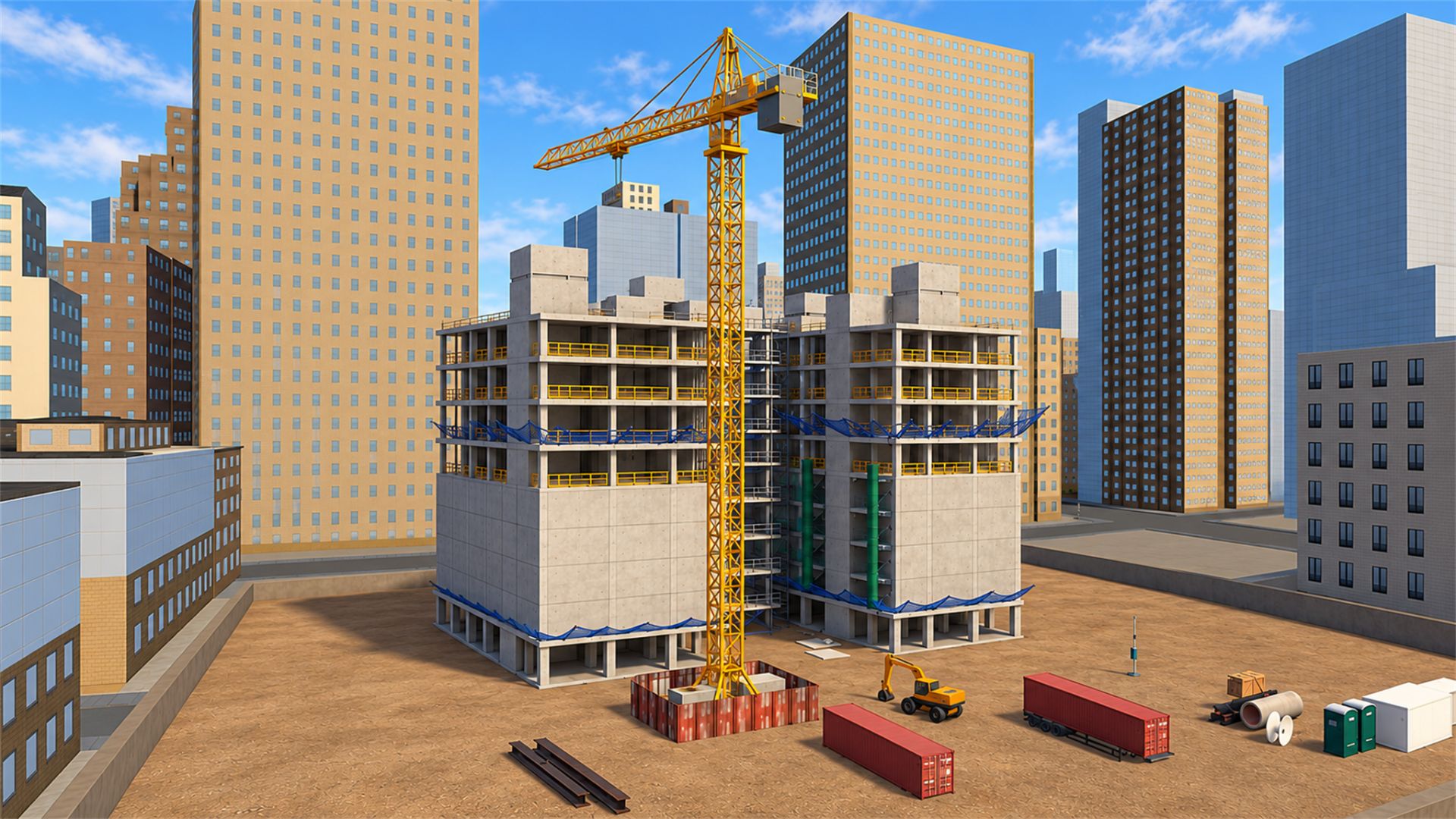
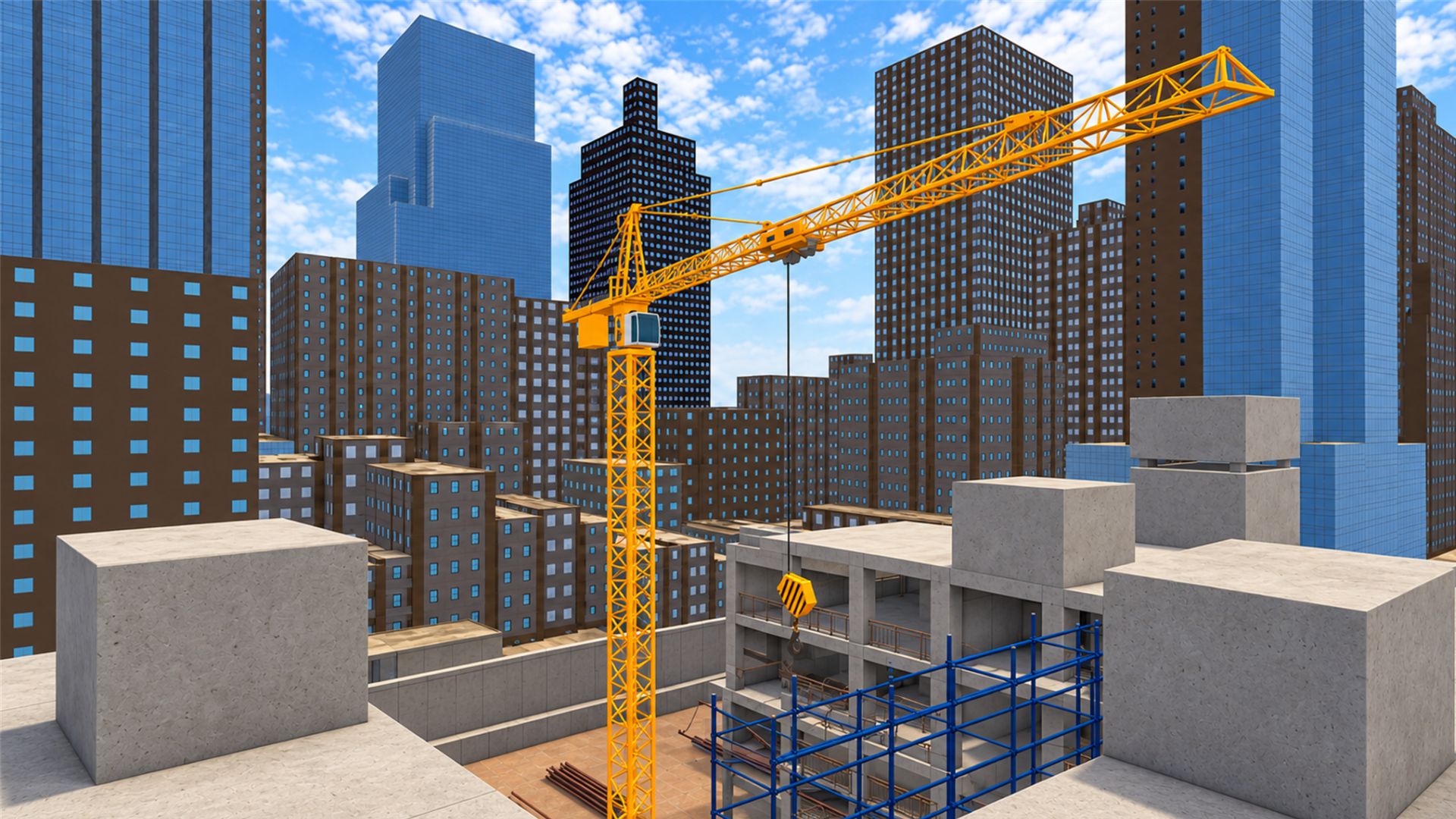
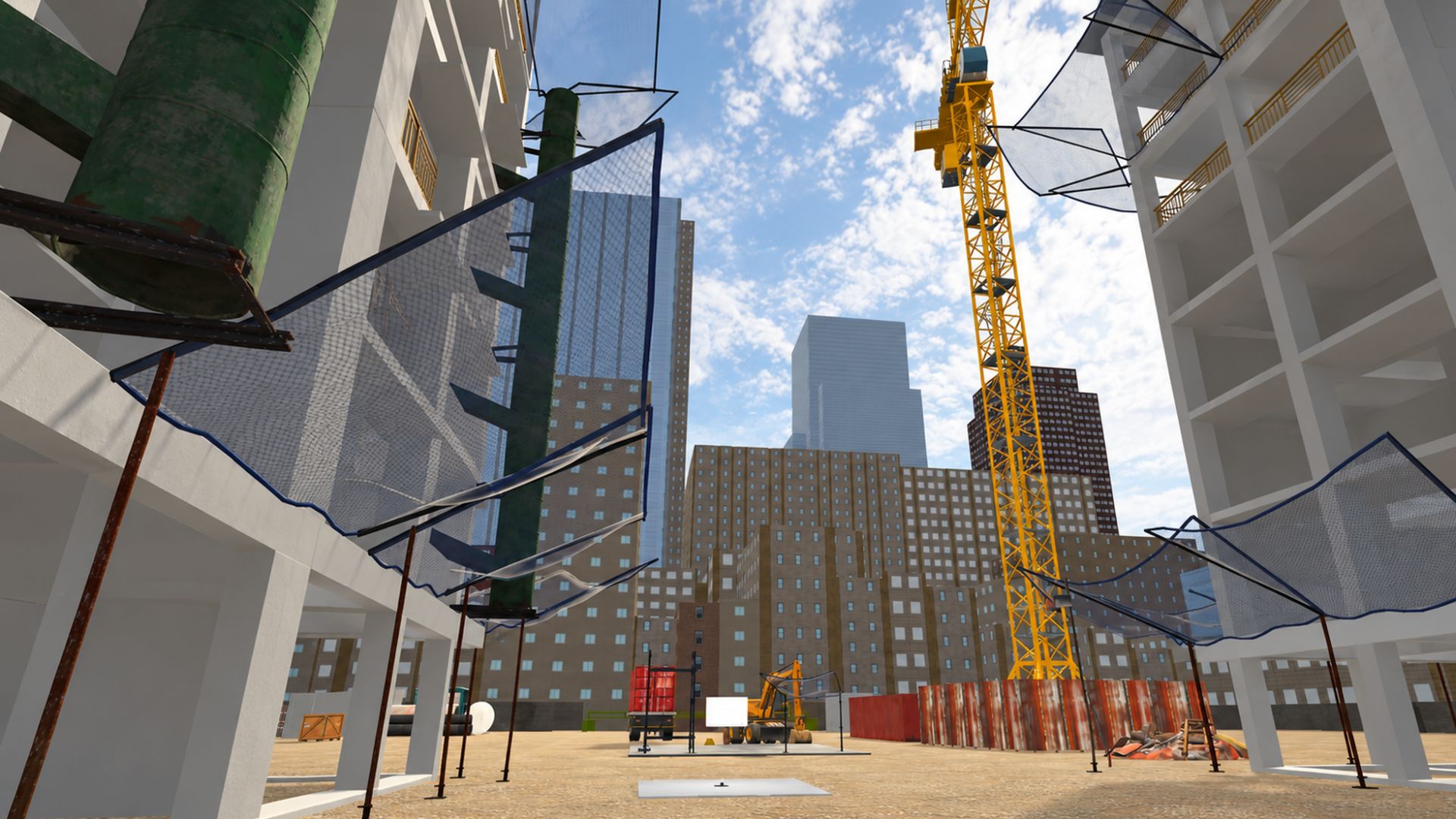
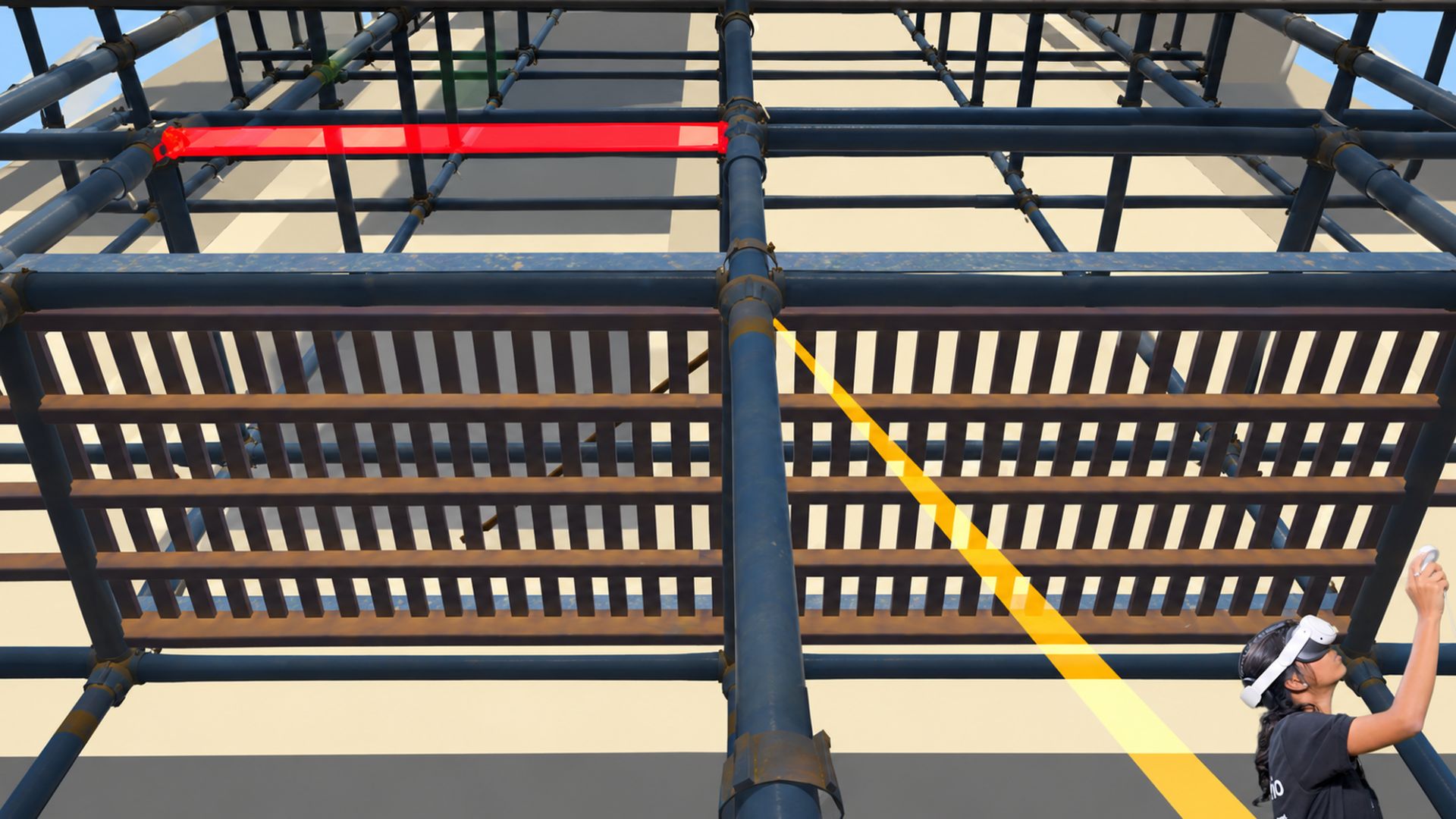
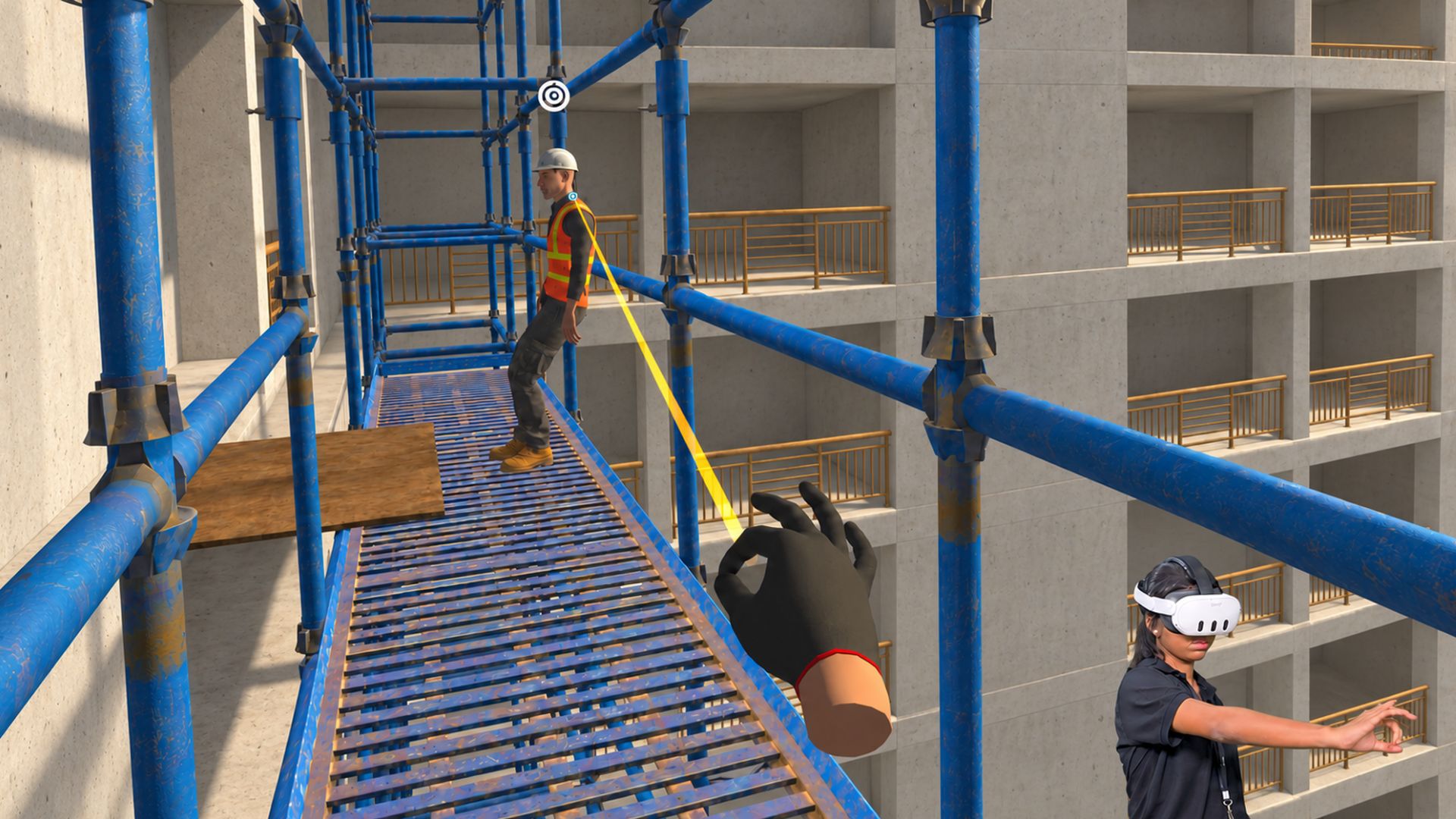
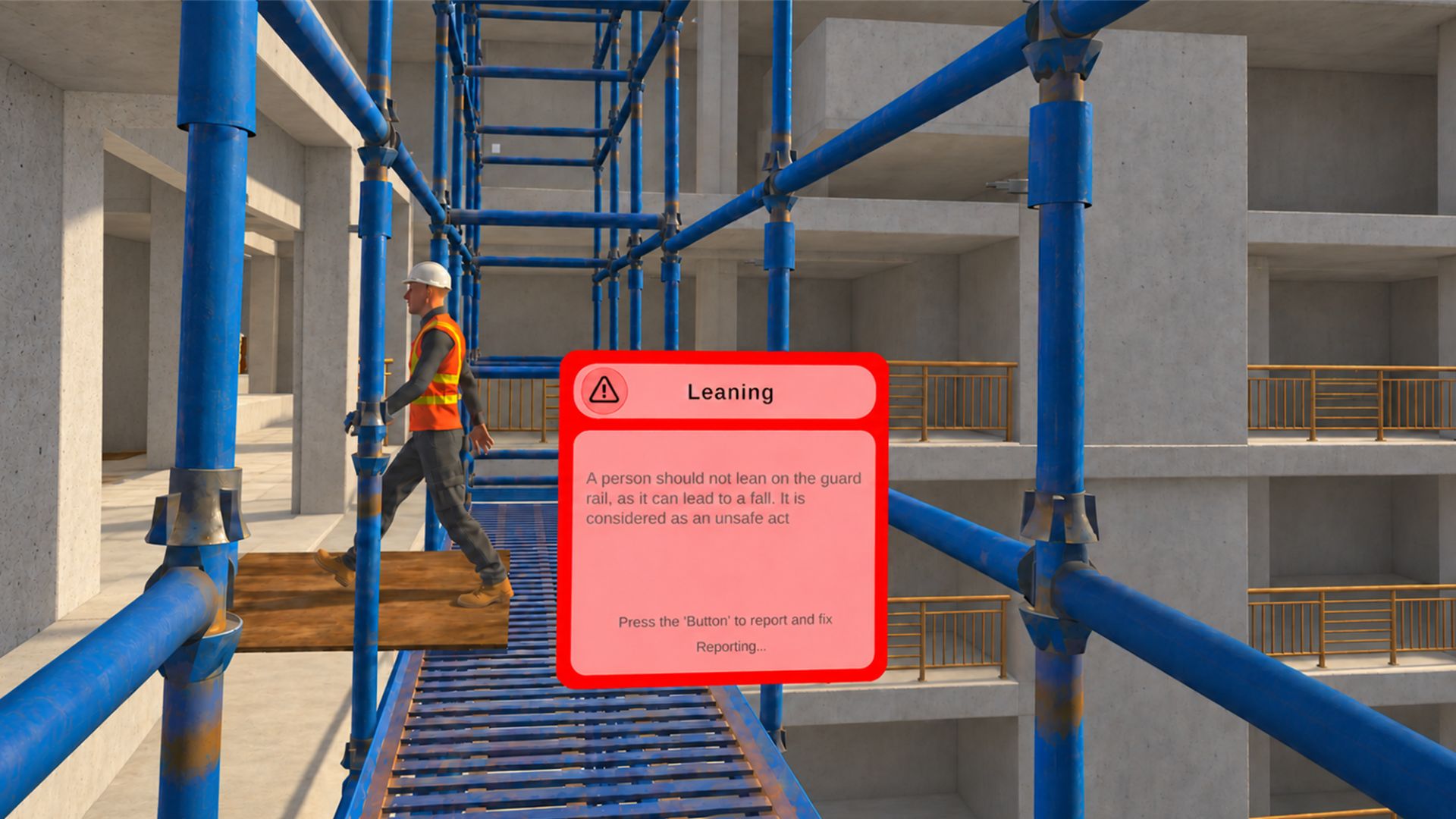
The simulator takes trainees through a progressive virtual building environment, starting at ground level and advancing through increasingly elevated work areas. At each stage, workers inspect their surroundings, identify potential hazards, and select the appropriate PPE and protective measures before proceeding.
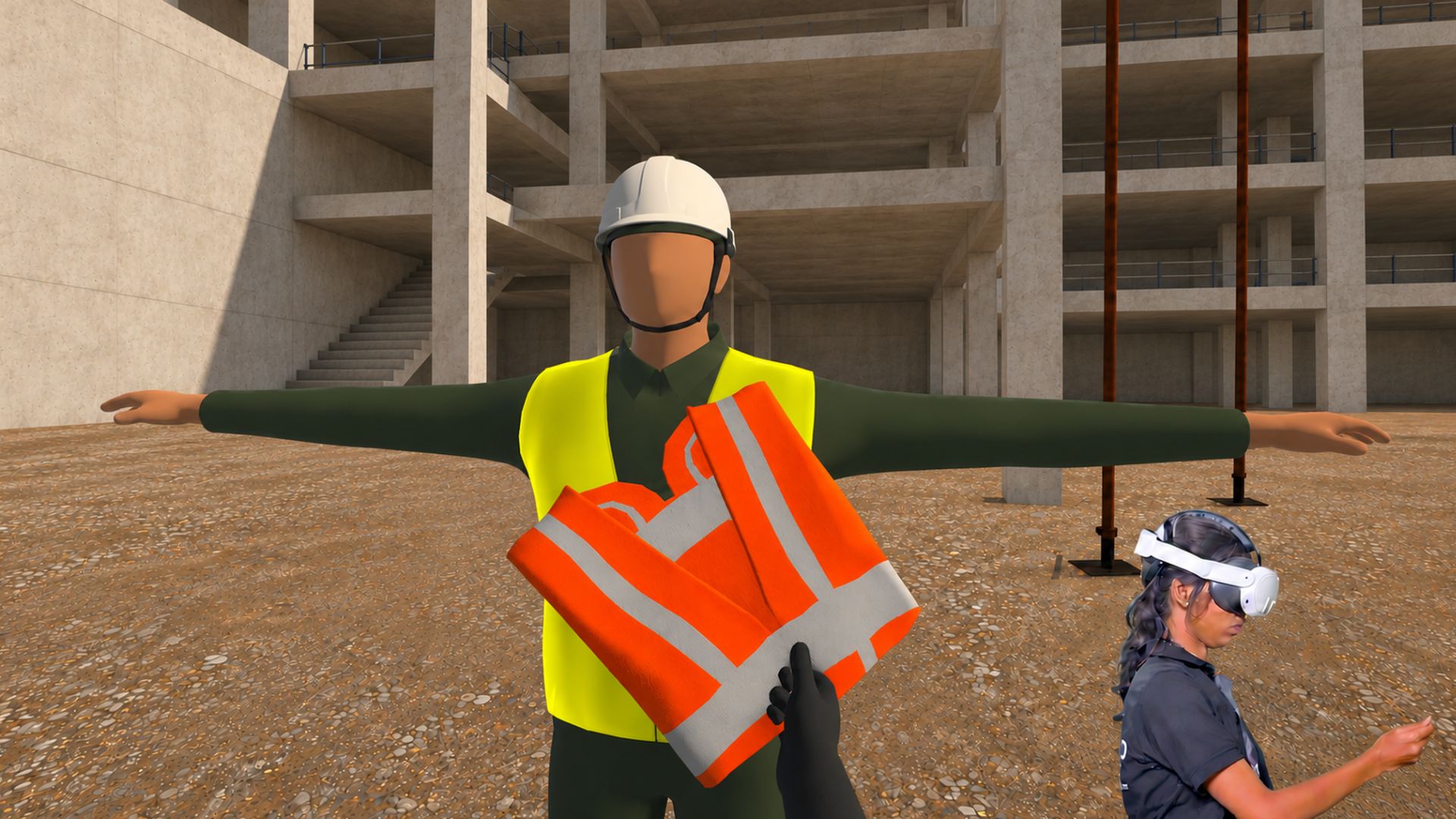
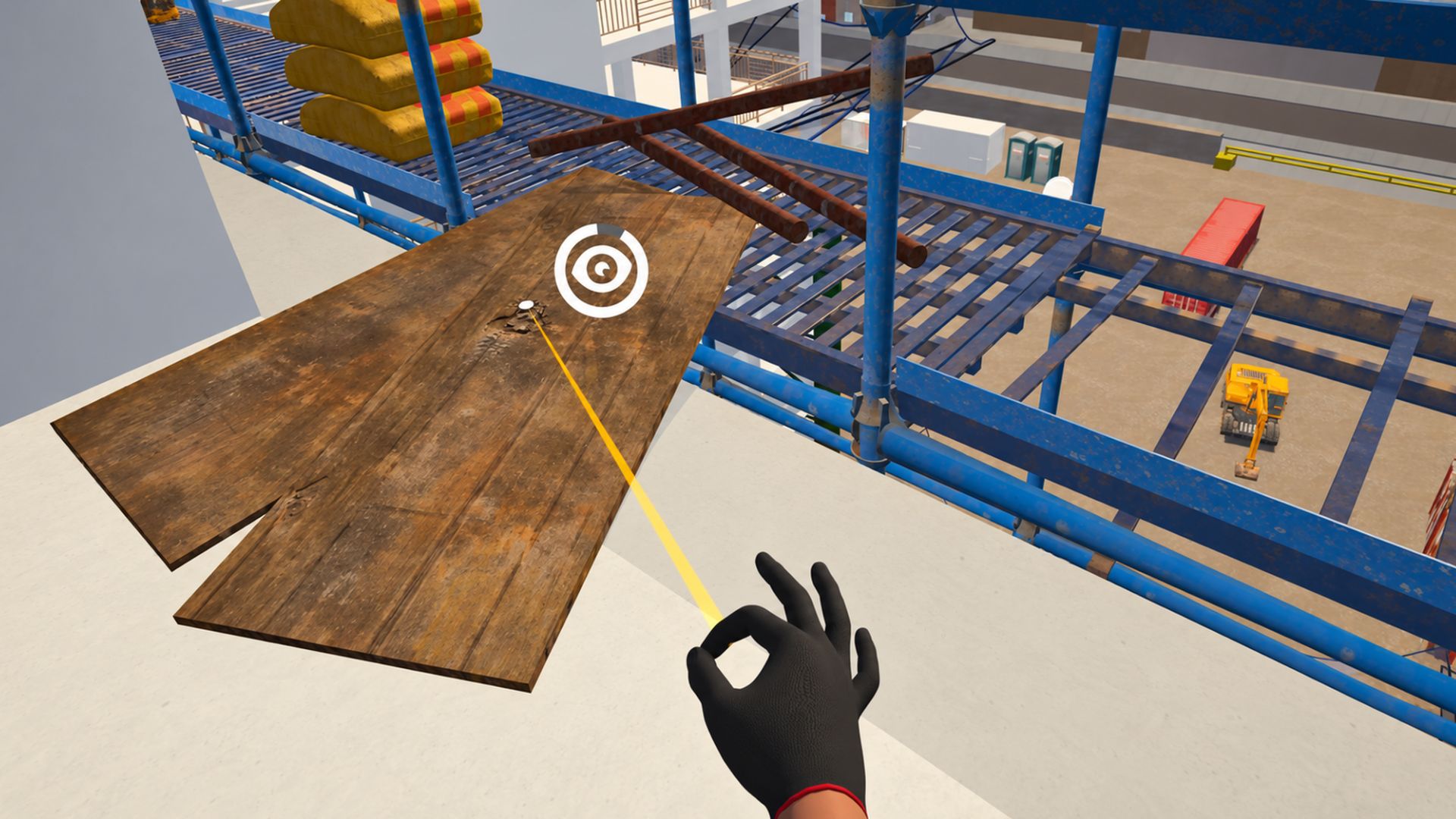
Using hand tracking on Meta Quest 3, trainees interact naturally with the virtual environment and make decisions based on the conditions presented. Multiple scenarios, adjustable difficulty levels, and adaptive evaluations introduce variations between attempts, ensuring workers demonstrate their understanding rather than simply memorize procedures.
The integrated LMS records assessment performance and learning progress, helping safety teams identify knowledge gaps and areas requiring additional training.
Key Features & Training Flow
Progressive Height Exposure
Workers advance from ground-level preparation to elevated environments, experiencing changing hazards and safety requirements.
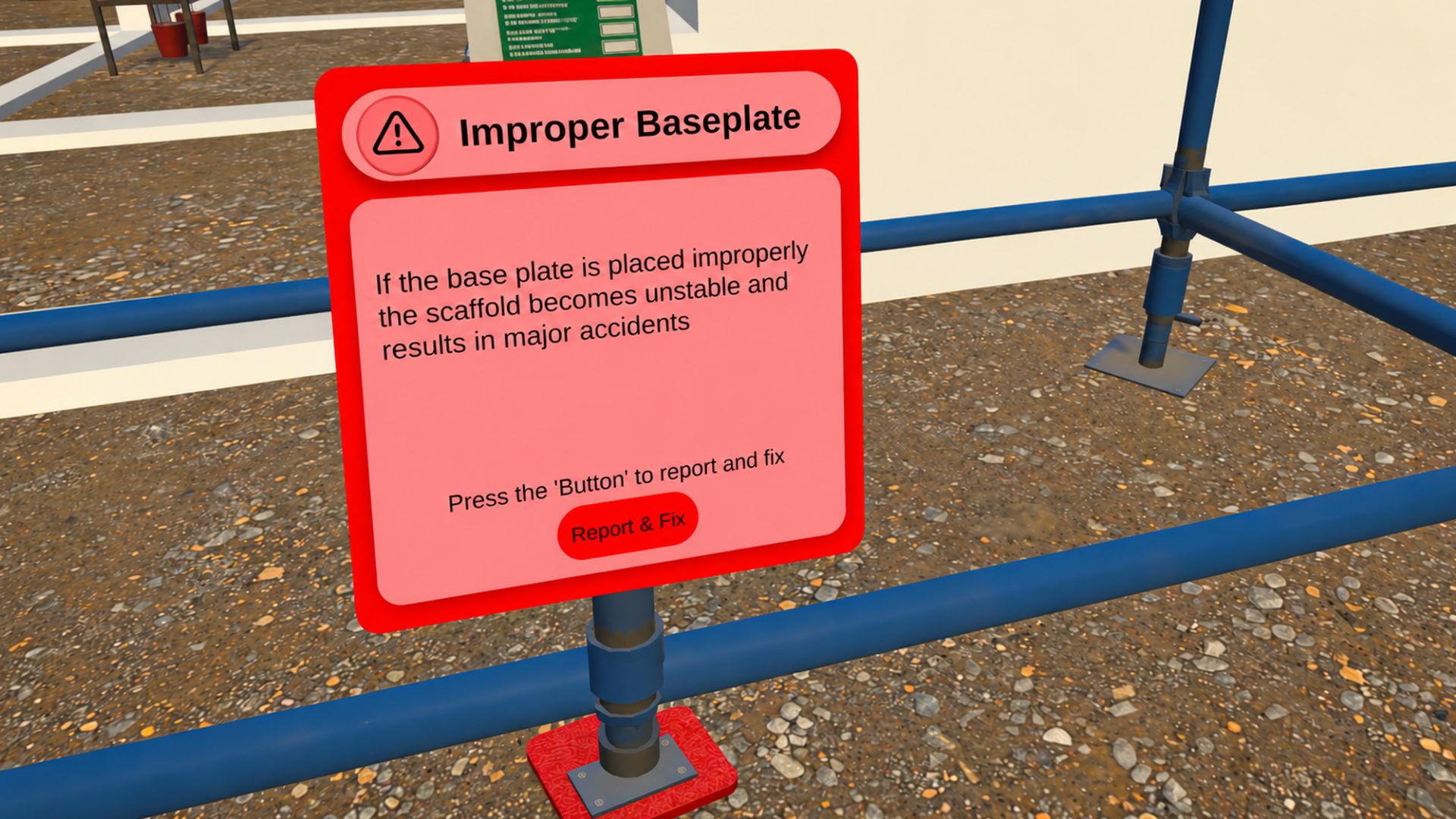
Hazard Identification & Recognition
Trainees inspect virtual work areas, recognize potential fall risks, and determine the appropriate preventive measures.
PPE Selection & Safety Compliance
Workers select suitable protective equipment and apply the correct safety procedures before performing elevated tasks.
Hand-Tracked Interaction
Natural hand movements enable trainees to interact with the virtual environment and complete safety-related activities.
Adaptive Scenario Evaluation
Adjustable difficulty and changing assessment scenarios test hazard recognition and decision-making across repeated attempts.
LMS-Integrated Performance Analytics
Centralized tracking captures assessment results, completion status, learner progress, and areas requiring further reinforcement.
How Spatio Delivered It
Spatio designed and developed the Work at Height VR training experience using Unity3D and Meta Quest 3, combining progressive elevation scenarios, natural hand-tracked interactions, and adaptive assessments.
The simulator was structured to expose workers to different height-related hazards while reinforcing appropriate PPE selection and safe working practices. Its LMS integration enables instructors and safety managers to review individual performance, identify recurring mistakes, and plan targeted retraining.
The solution was deployed across multiple sites as part of Adani’s broader immersive safety training programme, supporting recurring workforce training without requiring employees to practise every scenario at actual heights.
Technology Stack
- Hardware: Meta Quest 3
- Engine: Unity3D
- Interaction: Hand Tracking
- Training Design: Progressive Height & Hazard Scenarios
- Assessment: Adaptive Evaluation System
- Integration: LMS & Performance Analytics
- Deployment: Multi-Site Training Programme
Business Impact
7,000+
Workers Trained
150%+
Increase in Training Engagement
60–80%
Reduction in Training Time
75%+
Improvement in Hazard Identification
Note: The 7,000+ trainees and 150%+ engagement improvement relate to this client’s work-at-height programme. Training-time and hazard-identification improvements are wider programme-level KPIs and should not be attributed exclusively to this simulator.
Why Spatio?
Spatio transforms high-risk work-at-height procedures into immersive experiences where employees can practise hazard recognition, PPE selection, and safety decisions without real-world exposure. By combining hand-tracked interaction, adaptive evaluation, and LMS analytics, we help organizations deliver repeatable training while gaining measurable visibility into workforce readiness across multiple locations.
Make Work at Height Training Repeatable
Prepare your workforce to recognize elevated workplace hazards, select the right protective equipment, and make safer decisions through immersive VR training.