
Chemical Safety Training Is Getting a VR Upgrade. Here’s Why It Matters.
Chemical plants are not forgiving places.
One missed step, one wrong valve, one delayed response, or one PPE mistake can quickly turn into a serious safety incident. That is why safety training in the chemical industry has always been important.
But here is the problem.
Most safety training still looks the same as it did years ago: classroom sessions, printed SOPs, videos, toolbox talks, and end-of-session quizzes.
They create awareness. But they do not always create readiness.
Chemical industry workers do not just need to know what a hazard is. They need to know what to do when they are standing in front of it.
That is where VR training changes the game.
Why chemical safety training needs to feel real
In chemical manufacturing, risks are often invisible until it is too late.
A vapor leak may not be easy to see. A chemical storage mistake may look harmless at first. A spill can spread faster than expected. A shutdown step done in the wrong order can create a bigger problem.
Traditional training explains these risks.
VR lets workers experience them safely.
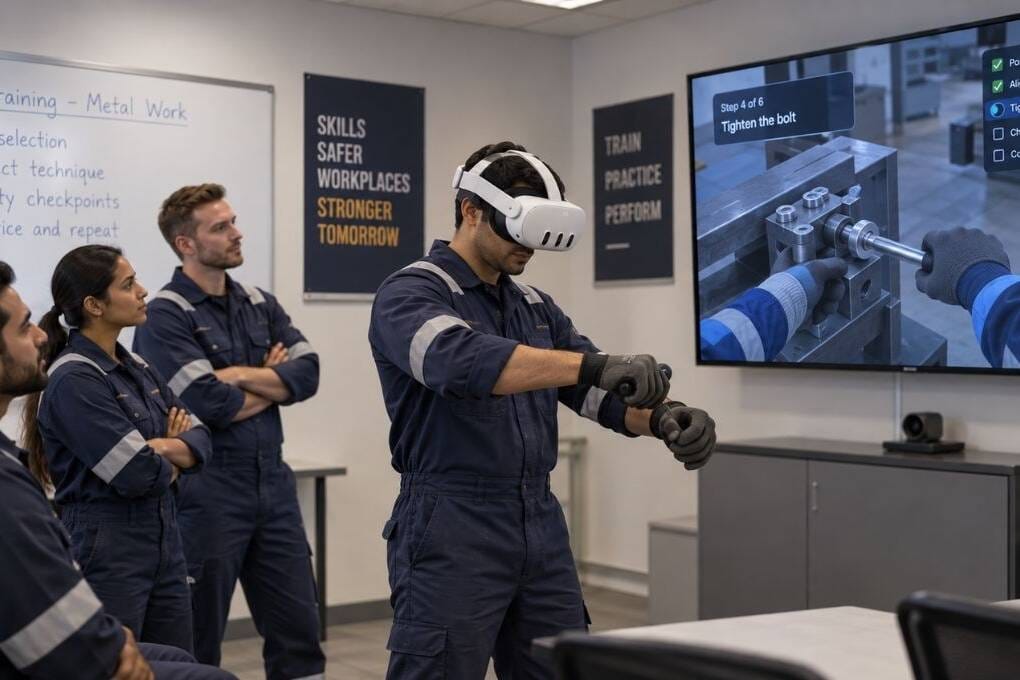
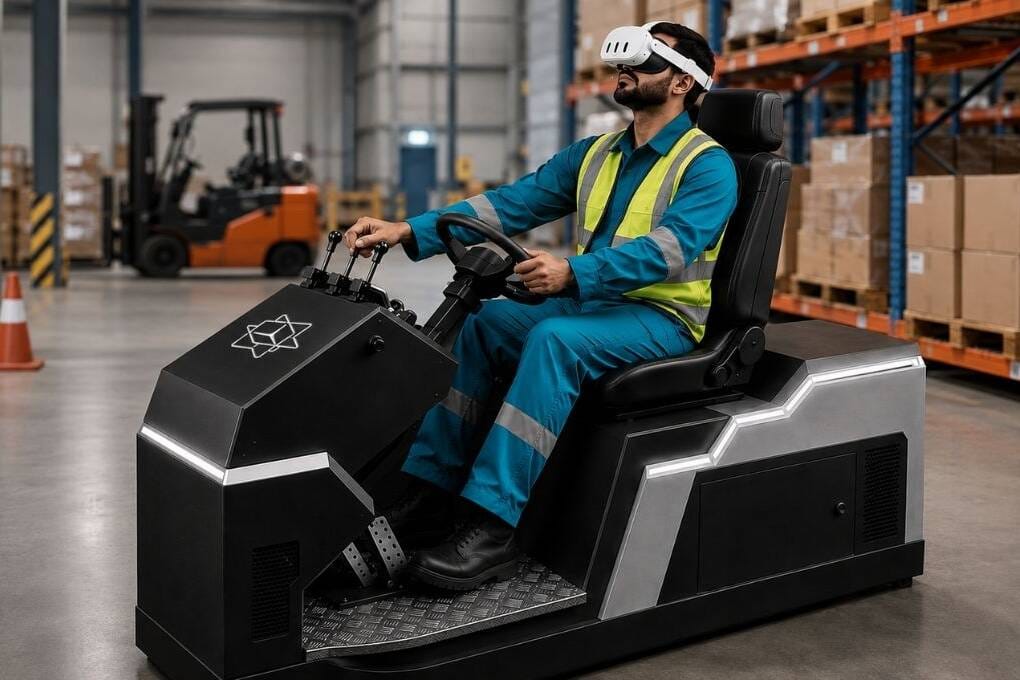
With VR, a worker can walk through a simulated plant, inspect a chemical storage area, respond to an emergency alarm, choose the right PPE, follow a shutdown procedure, or handle a spill without being exposed to real danger.
That is the big difference.
It is no longer “watch and remember.” It becomes “enter, decide, act, and learn.”
The three safety training areas every chemical company should focus on
Chemical safety training does not need to be broken into endless small modules. For most plants, it can be grouped into three clear categories.
1. Hazard Awareness and Personal Safety
This is the foundation.
Before workers handle chemicals, enter production areas, or perform maintenance tasks, they need to understand the risks around them.
This training helps workers identify chemical hazards, read labels, understand SDS information, select the right PPE, and move safely inside chemical work zones.
In VR, this becomes more practical.
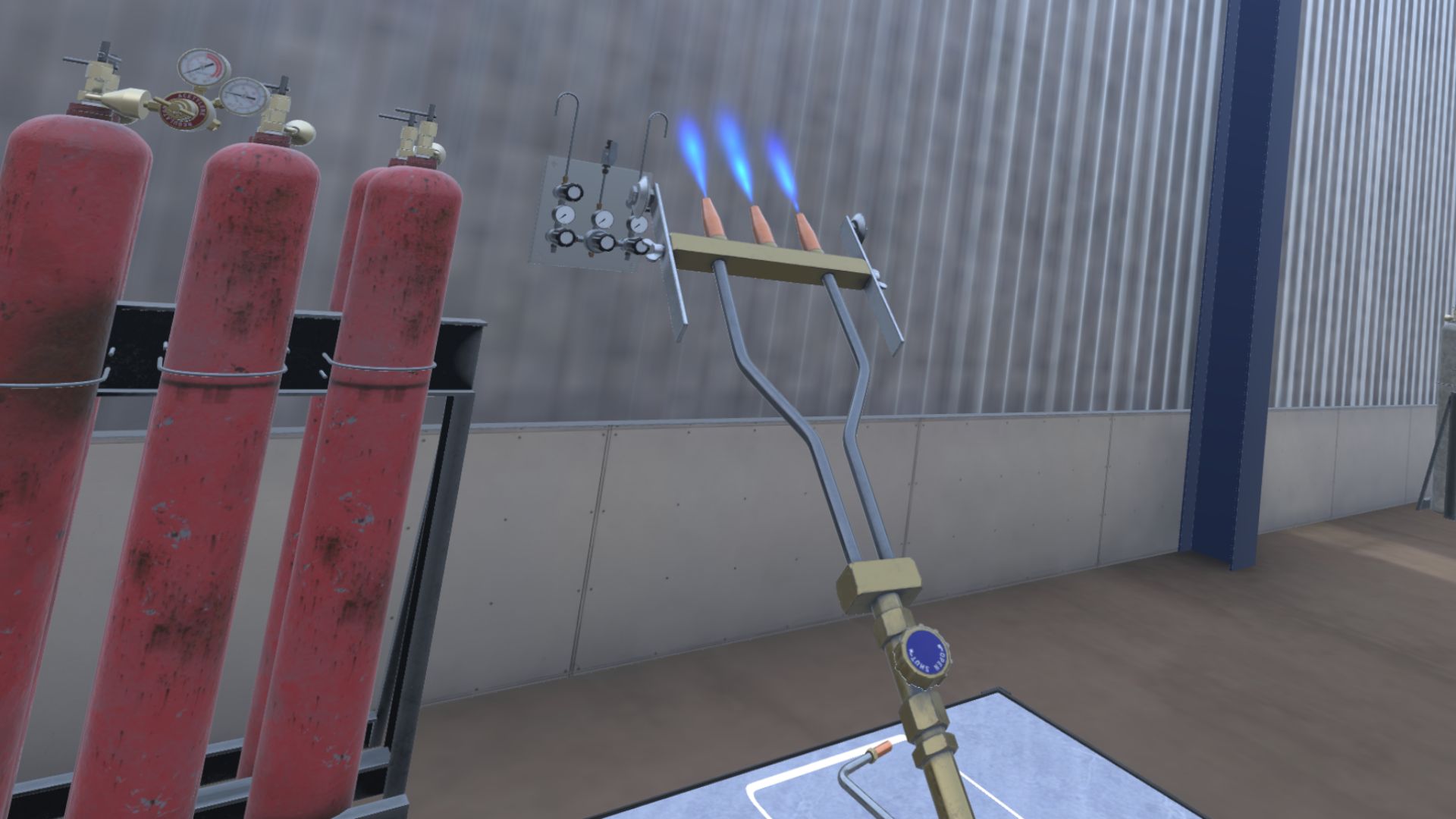
Workers can enter a virtual chemical storage area and identify unsafe storage, missing labels, spill risks, wrong PPE, blocked access, or incompatible chemicals. They can make mistakes in the simulation and learn from them before they step into the actual plant.
This category usually covers:
- Chemical hazard identification
- PPE selection and usage
- SDS and label understanding
- Chemical storage and segregation
- Exposure prevention
- Safe movement inside hazardous zones
This is especially useful for new workers, contractors, and teams that need regular safety refreshers.
2. Process, Equipment, and SOP-Based Safety
Chemical plants run on procedures.
Startup, shutdown, transfer, isolation, loading, unloading, and maintenance tasks all depend on workers following the right sequence.
The challenge is that SOPs are often learned through documents, briefings, or on-the-job shadowing. That may not be enough for high-risk tasks.
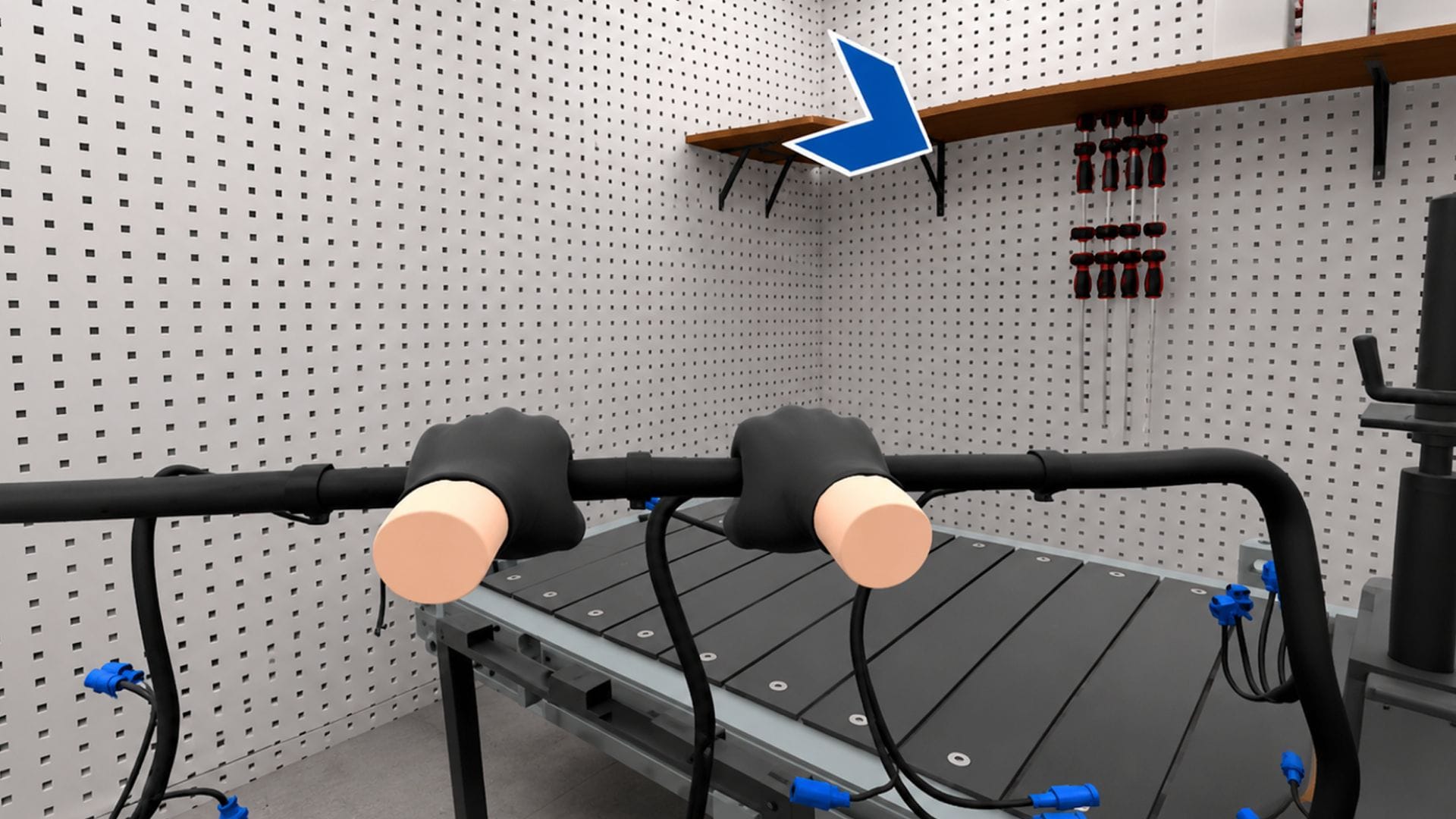
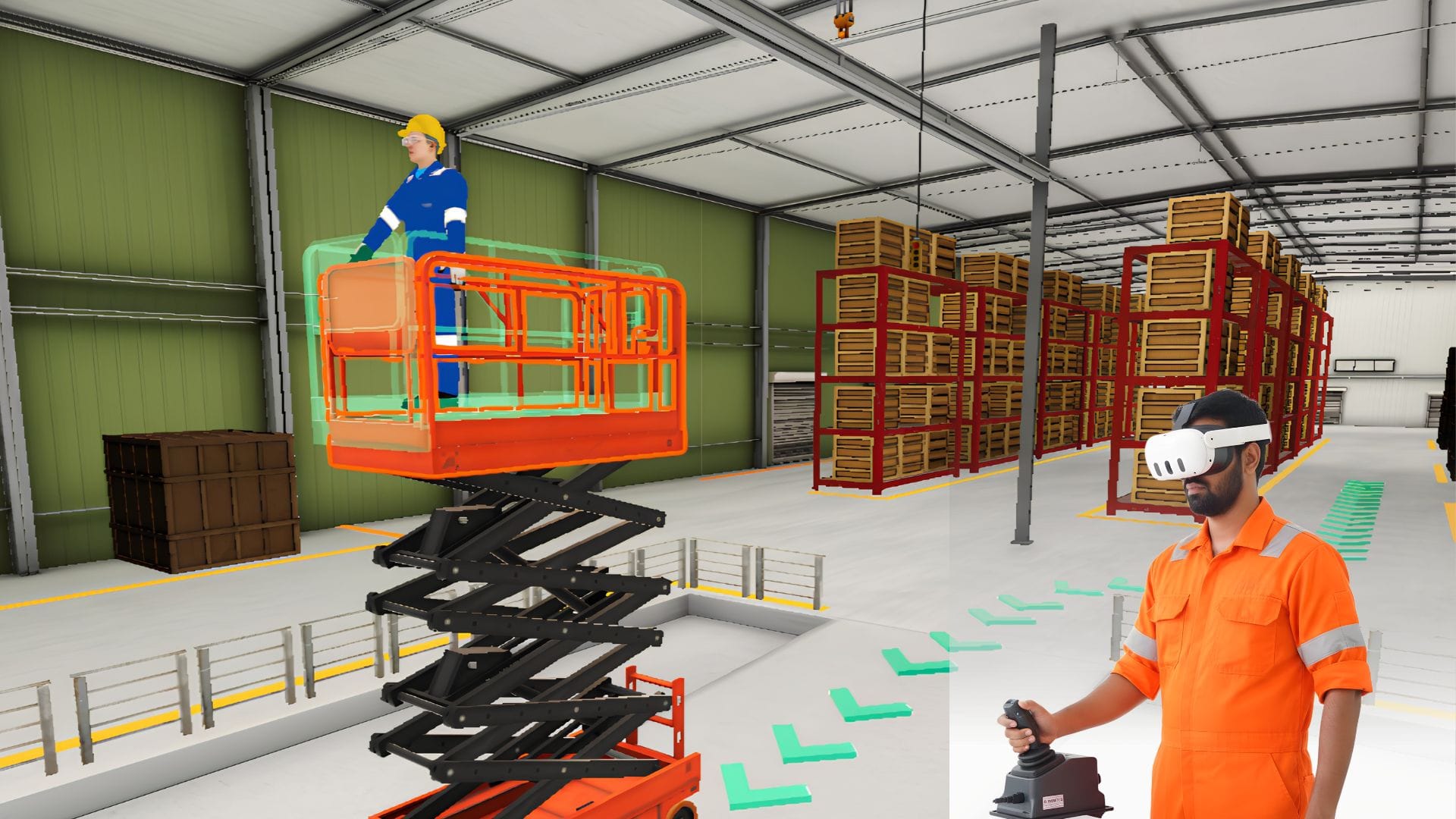
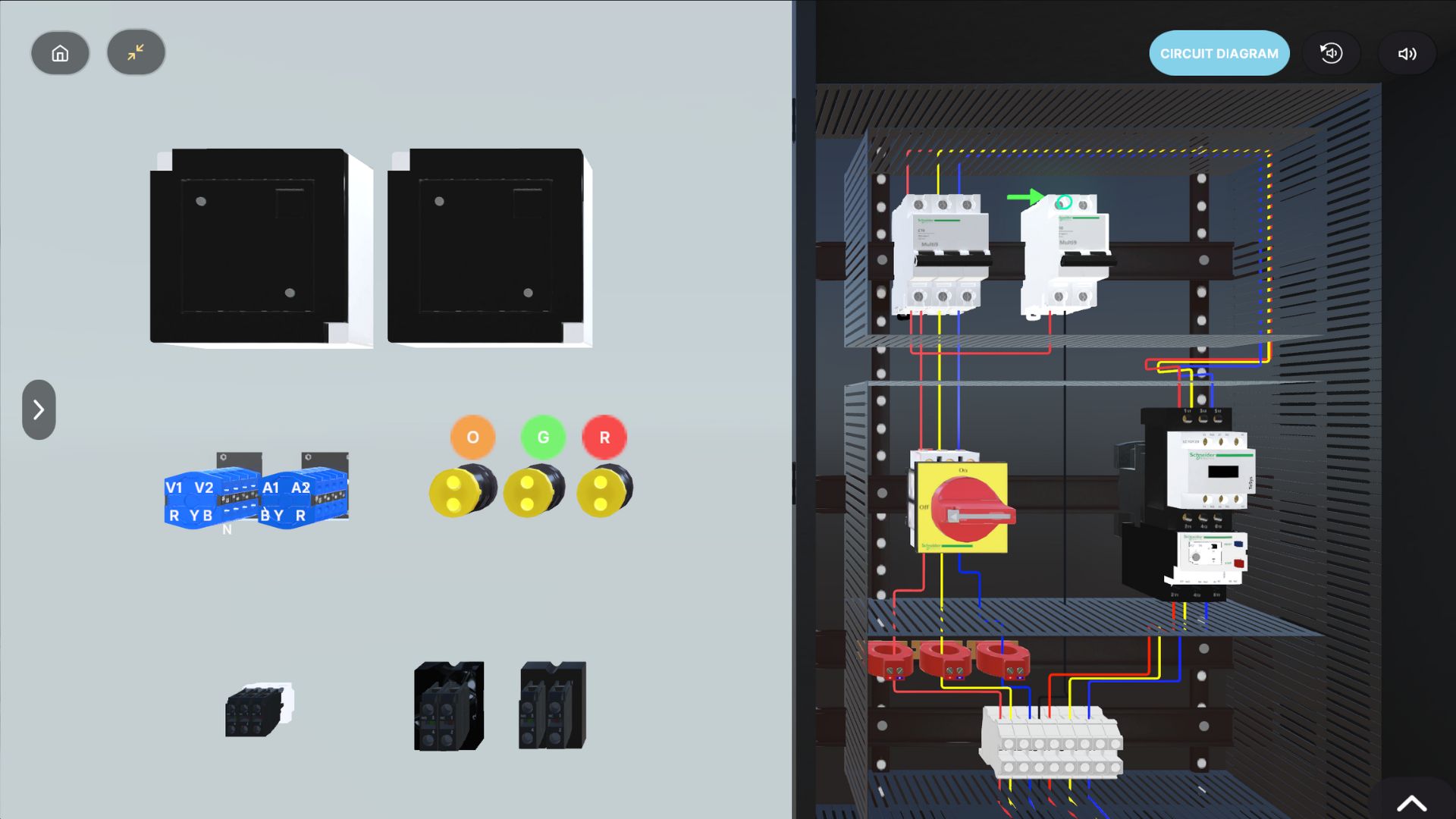
VR allows workers to practice SOPs in a realistic plant environment.
They can operate valves, check equipment, follow permit steps, complete isolation actions, respond to abnormal conditions, and repeat the process until the correct sequence becomes familiar.
This category can include:
- Startup and shutdown procedures
- Valve and pump operation
- Permit to Work training
- Lockout and isolation steps
- Tank farm safety
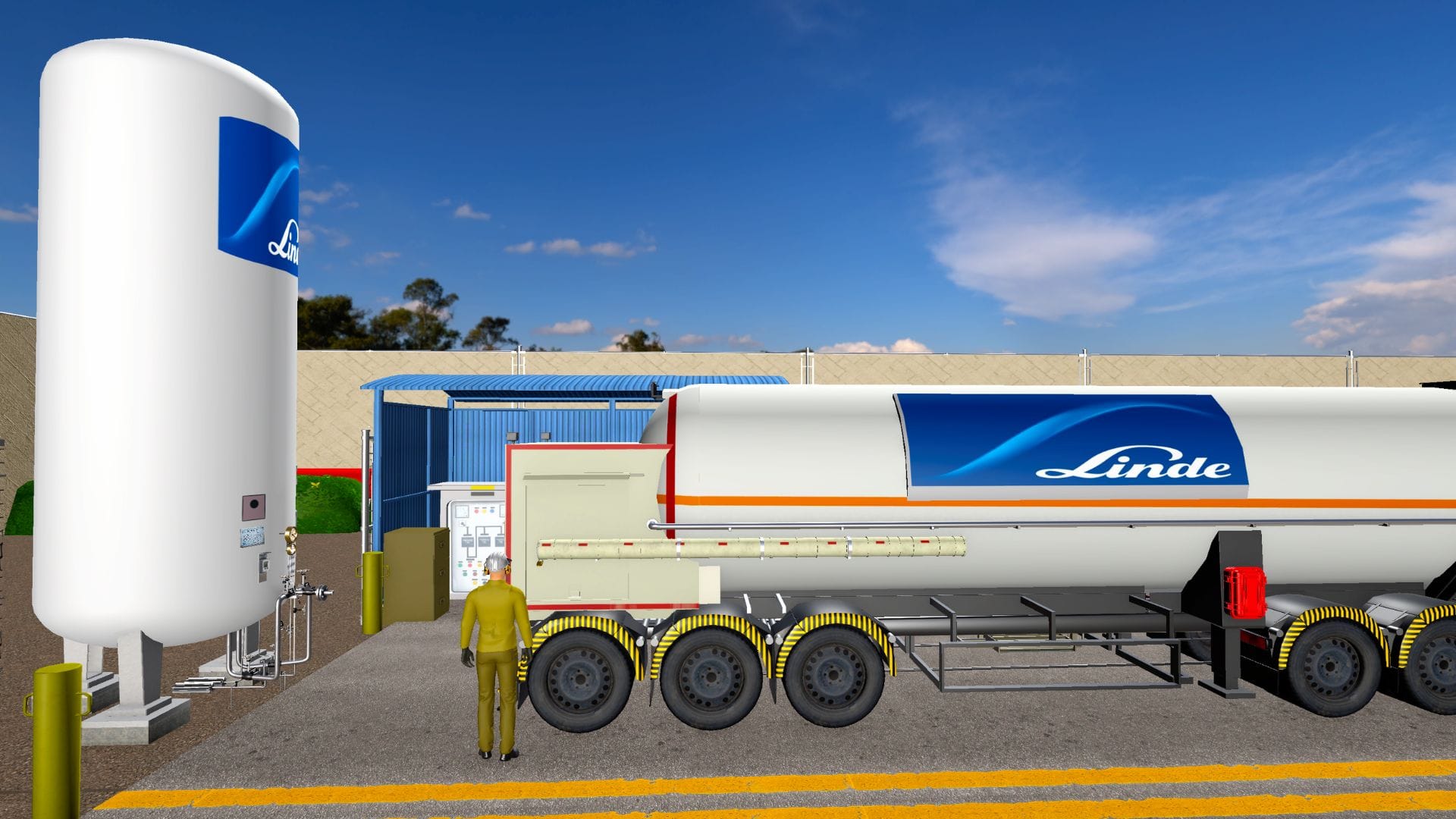
- Loading and unloading safety
- Confined space preparation
- Maintenance safety around process equipment
For safety leaders, this is valuable because VR does not just show whether a worker attended training. It shows how they performed.
Did they miss a step?
Did they choose the wrong valve?
Did they ignore an alarm?
Did they complete the task in the right order?
That makes training measurable.
3. Emergency Response and Incident Readiness
This is where VR becomes extremely powerful.
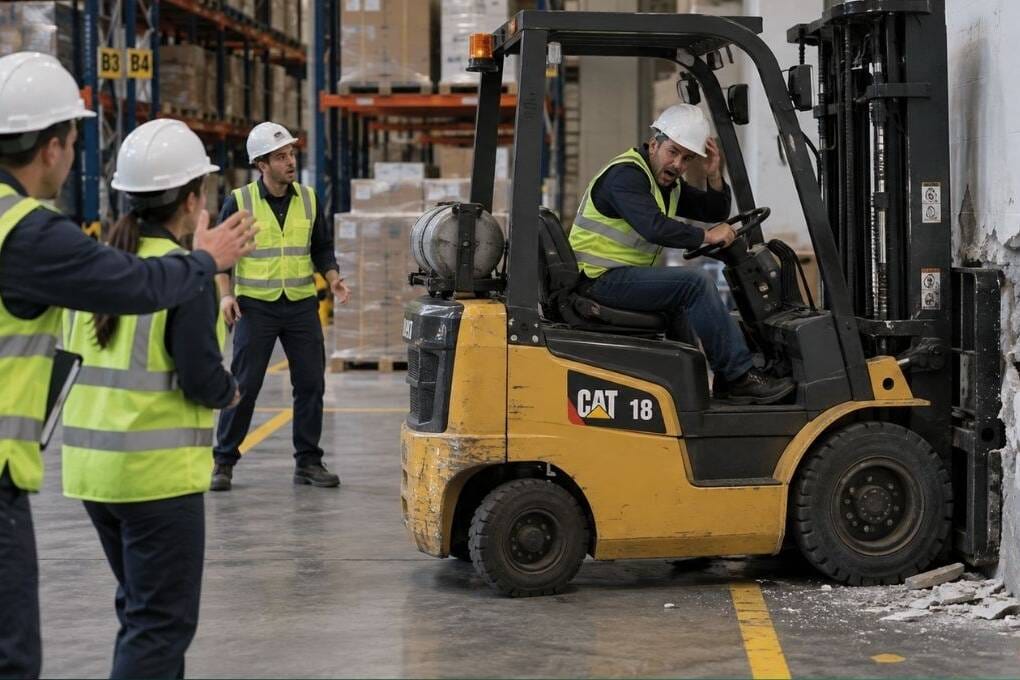
Some situations are too dangerous to recreate in real life. You cannot create a toxic leak for training. You cannot stage a serious chemical spill every week. You cannot expose workers to real smoke, panic, alarms, and blocked exits just to test their response.
VR makes these situations possible without the danger.
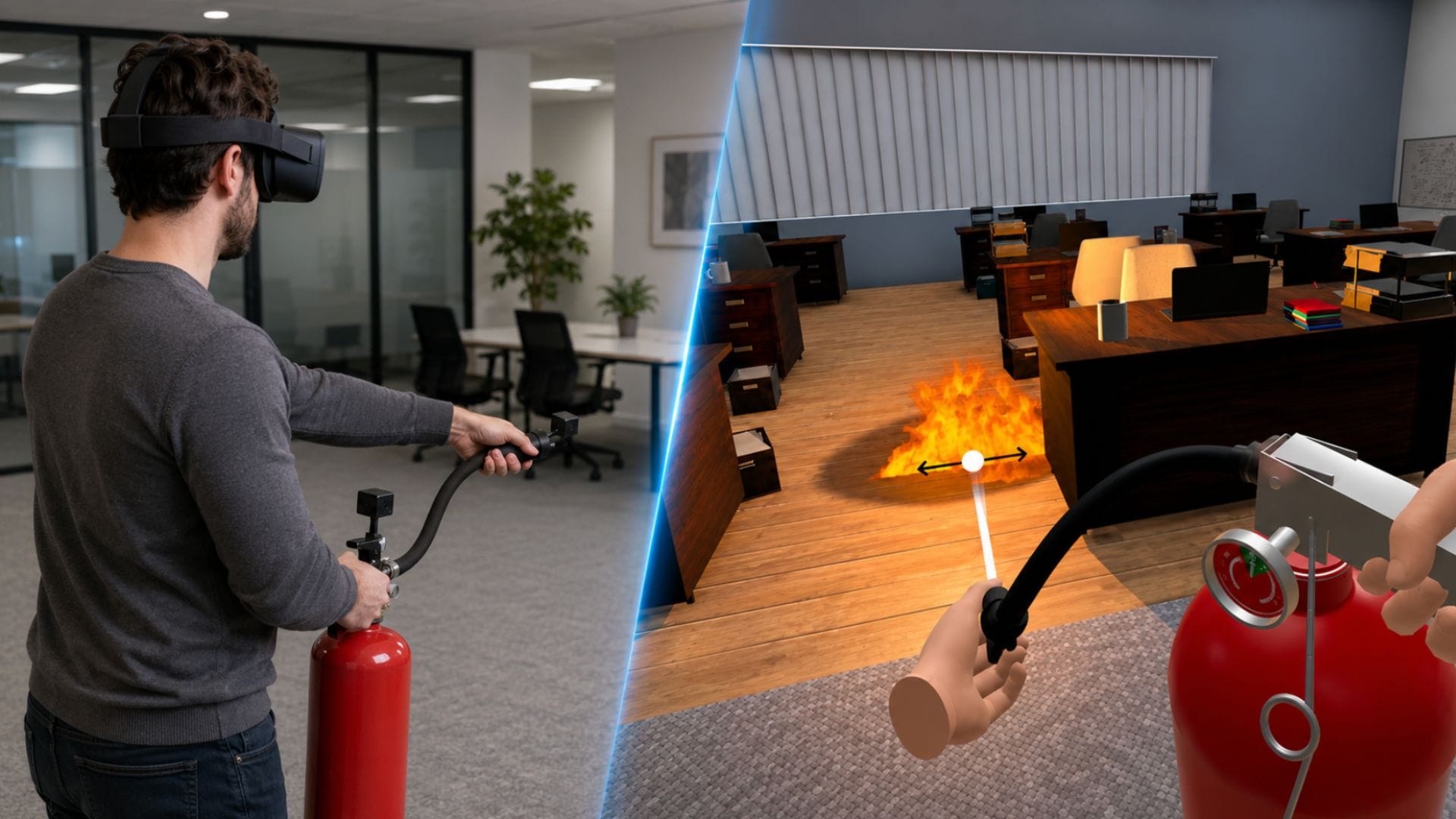
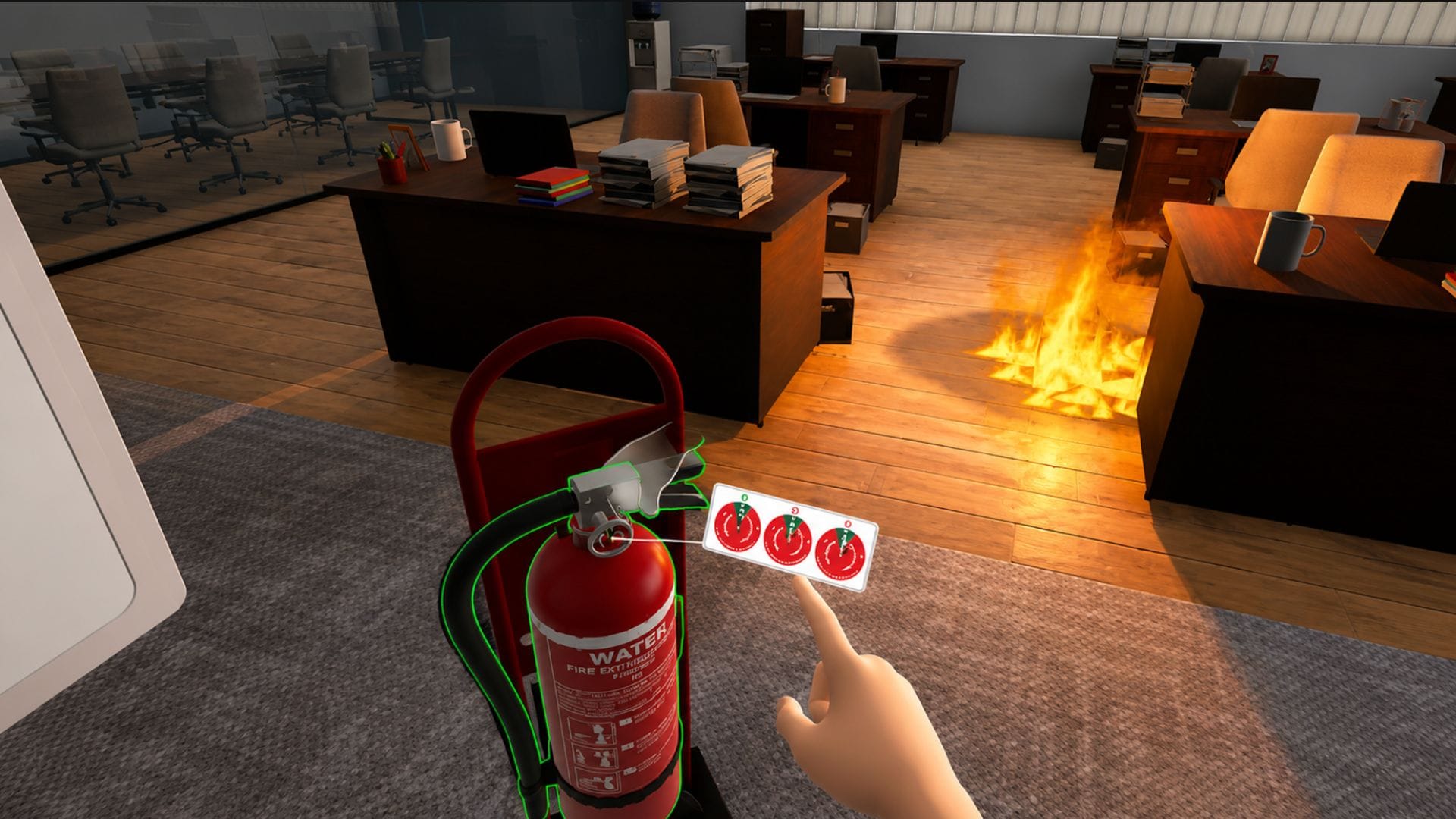
Workers can practice spill response, leak escalation, evacuation, emergency shutdown, fire response, exposure response, and incident reporting inside a controlled virtual environment.
This helps them build confidence before a real emergency happens.
This category usually includes:
- Chemical spill response
- Leak identification and escalation
- Emergency shutdown actions
- Fire and explosion response
- Alarm recognition
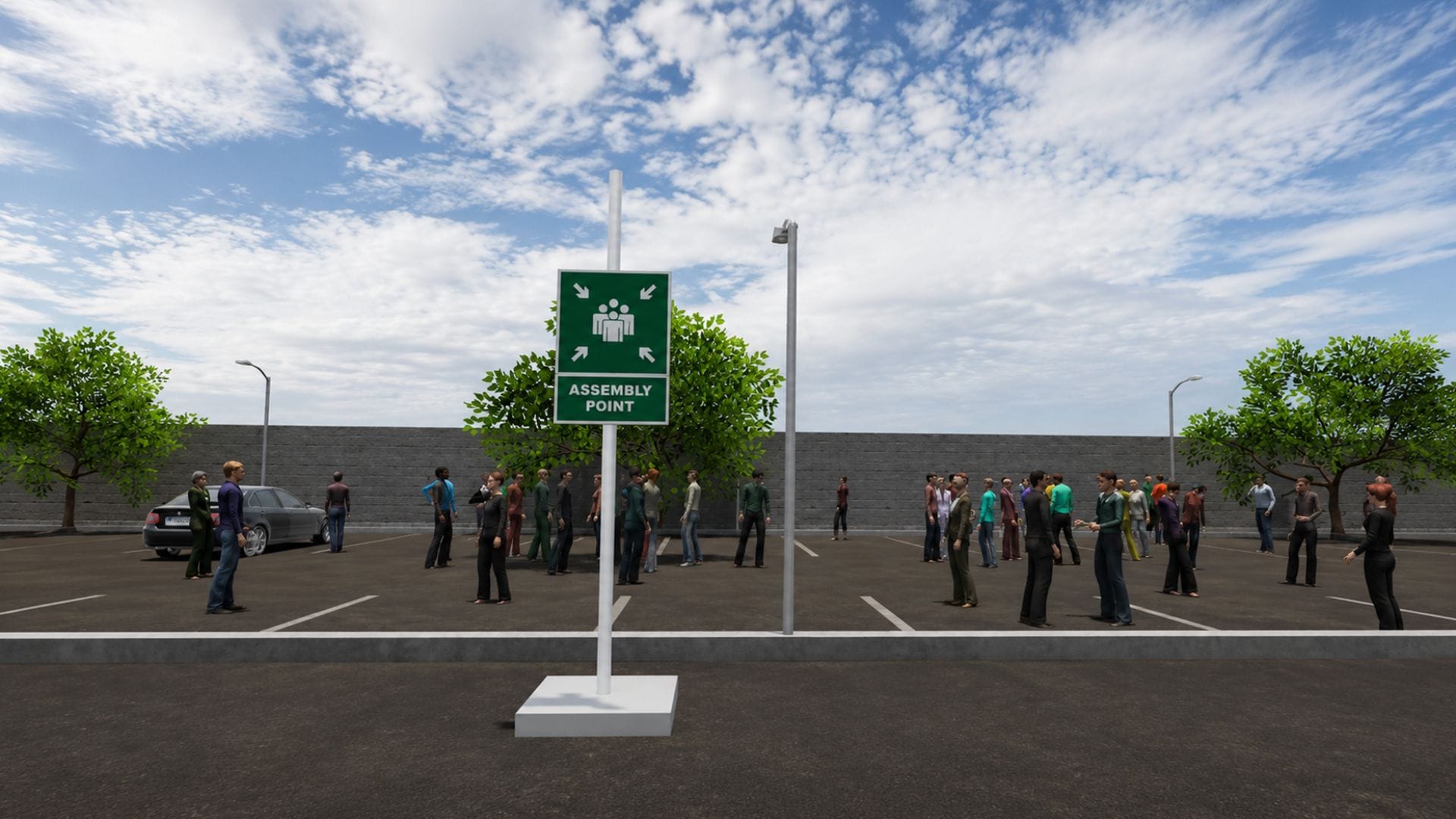
- Evacuation and muster point movement
- Exposure and decontamination response
- Near miss and incident review
The goal is simple.
When something goes wrong, workers should not freeze. They should know what to do, where to go, who to inform, and when to stop trying to control the situation.
Why VR training works better for chemical safety
VR works because it turns safety training into active practice.
Instead of sitting through a session, workers are placed inside a realistic scenario. They have to observe, decide, act, and respond.
That creates stronger learning.
A PwC study found that VR learners completed training four times faster than classroom learners. The same study found that VR learners were 275% more confident to apply what they learned. At scale, VR training was also found to be 52% less expensive than classroom training for 3,000 learners.
For chemical companies, those numbers matter.
Plants need to train operators, contractors, technicians, supervisors, and emergency teams. Training has to be repeated across shifts, sites, and languages. It also needs to be consistent.
VR helps chemical companies:
- Train high-risk scenarios without real-world danger
- Reduce dependency on live-site training
- Improve worker confidence before entering hazardous zones
- Standardize training across teams and locations
- Track performance with measurable data
- Refresh critical procedures more often
This is not about making training look modern. It is about making training closer to the real job.
Why Spatio?
Spatio builds custom VR training modules for chemical manufacturing environments.
The training can be designed around actual plant layouts, SOPs, safety risks, equipment, workflows, and emergency scenarios. Instead of generic simulations, workers train in environments that feel closer to their real workplace.
Spatio’s VR training for chemical manufacturing can support:
- Hazard awareness training
- SOP-based process training
- Tank farm and loading bay safety
- Spill and leak response
- Emergency shutdown training
- Confined space preparation
- Multilingual workforce training
- LMS-based assessments and records
This helps chemical companies move from awareness-based training to performance-based training.
The Bottomline
Chemical safety training has one job: prepare people before something goes wrong.
Traditional methods still have a place. But for high-risk chemical environments, workers need more than slides and quizzes. They need practice. They need repetition. They need realistic decision-making.
Build VR Safety Training for Your Chemical Workforce
Train your operators, contractors, technicians, and supervisors on chemical hazards, SOPs, emergency response, tank farm safety, loading operations, and plant-specific procedures.
Spatio builds custom VR safety training modules for chemical manufacturing environments.
Book a demo with Spatio and explore VR training for your chemical plant.