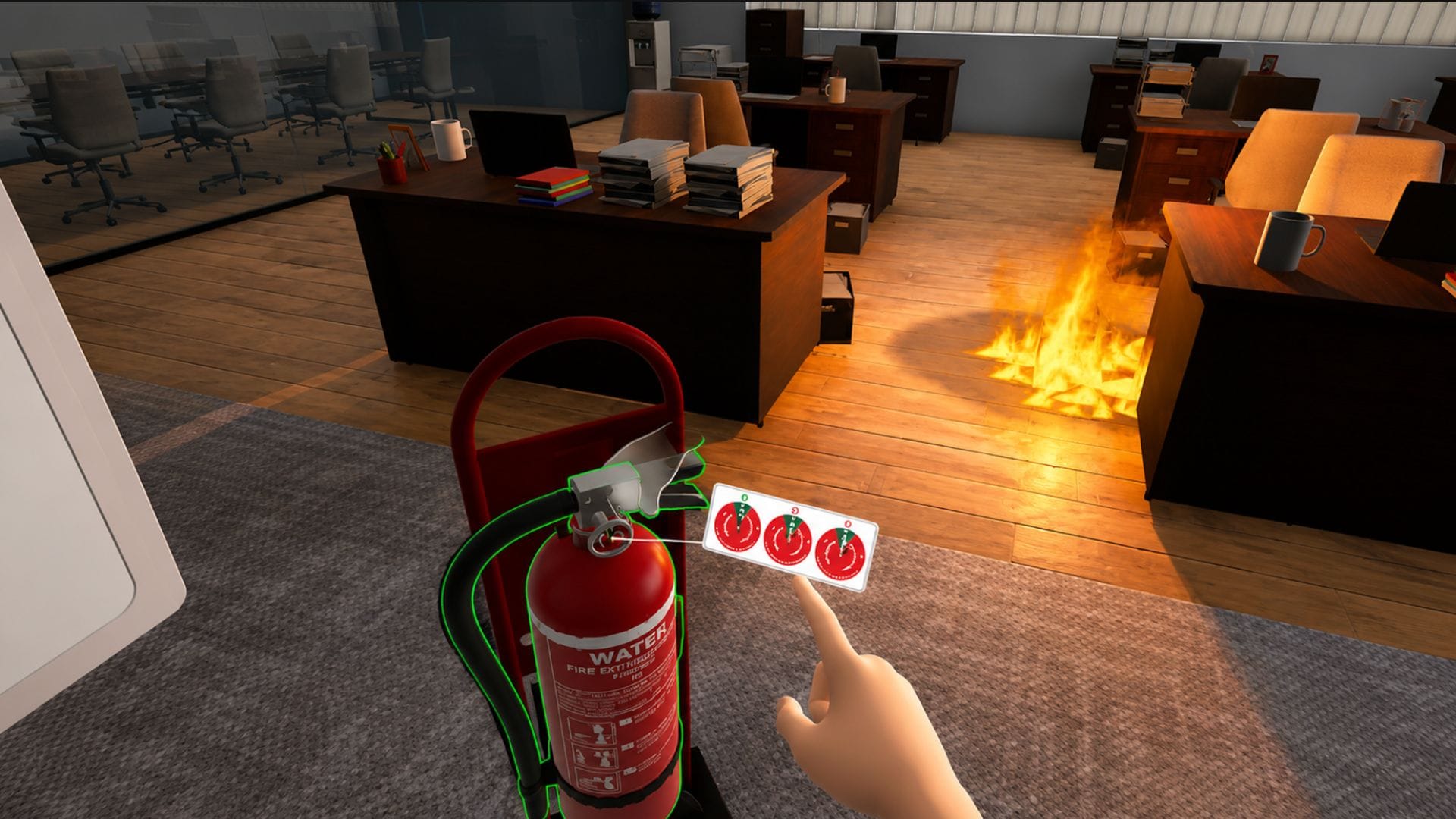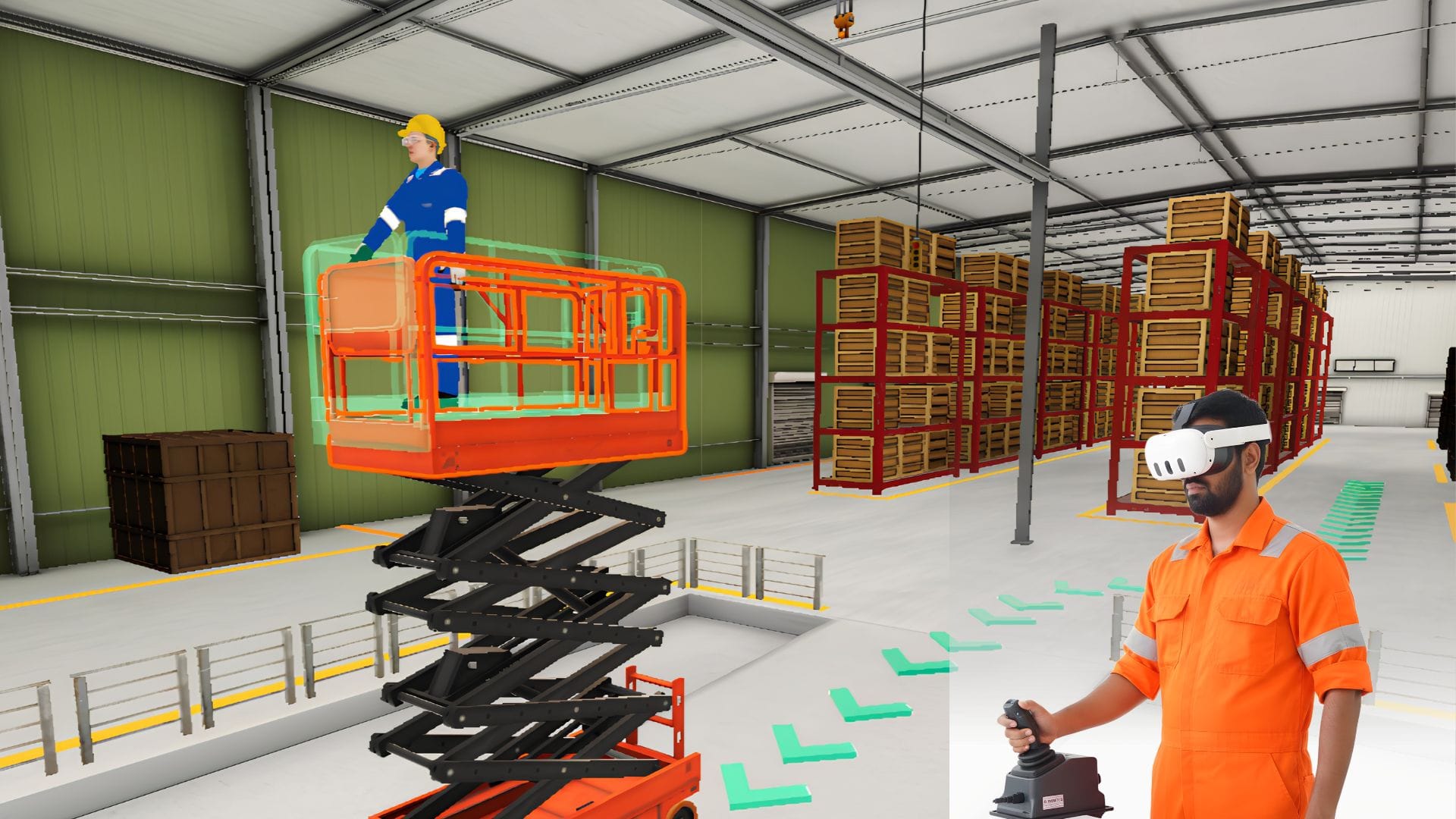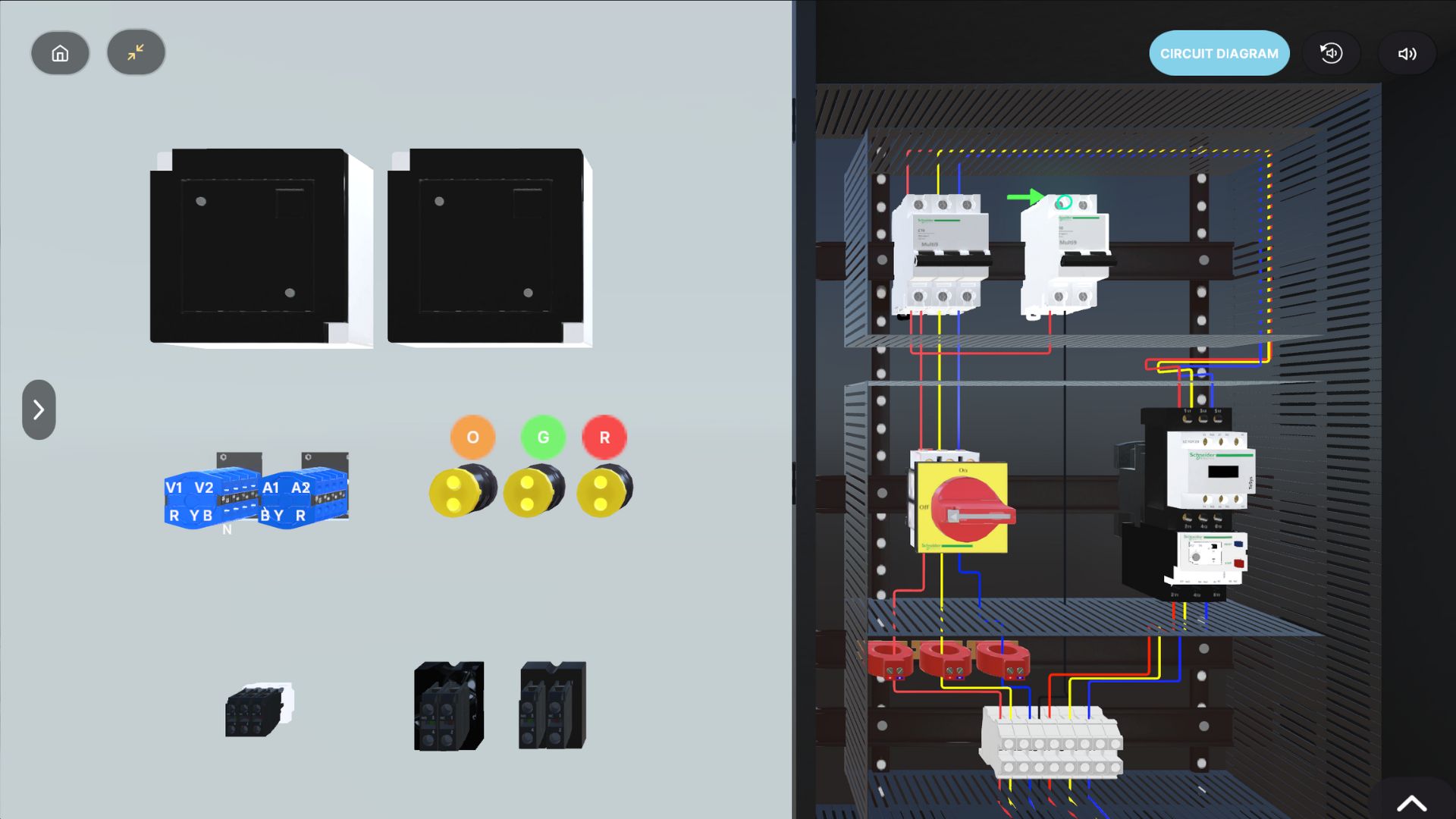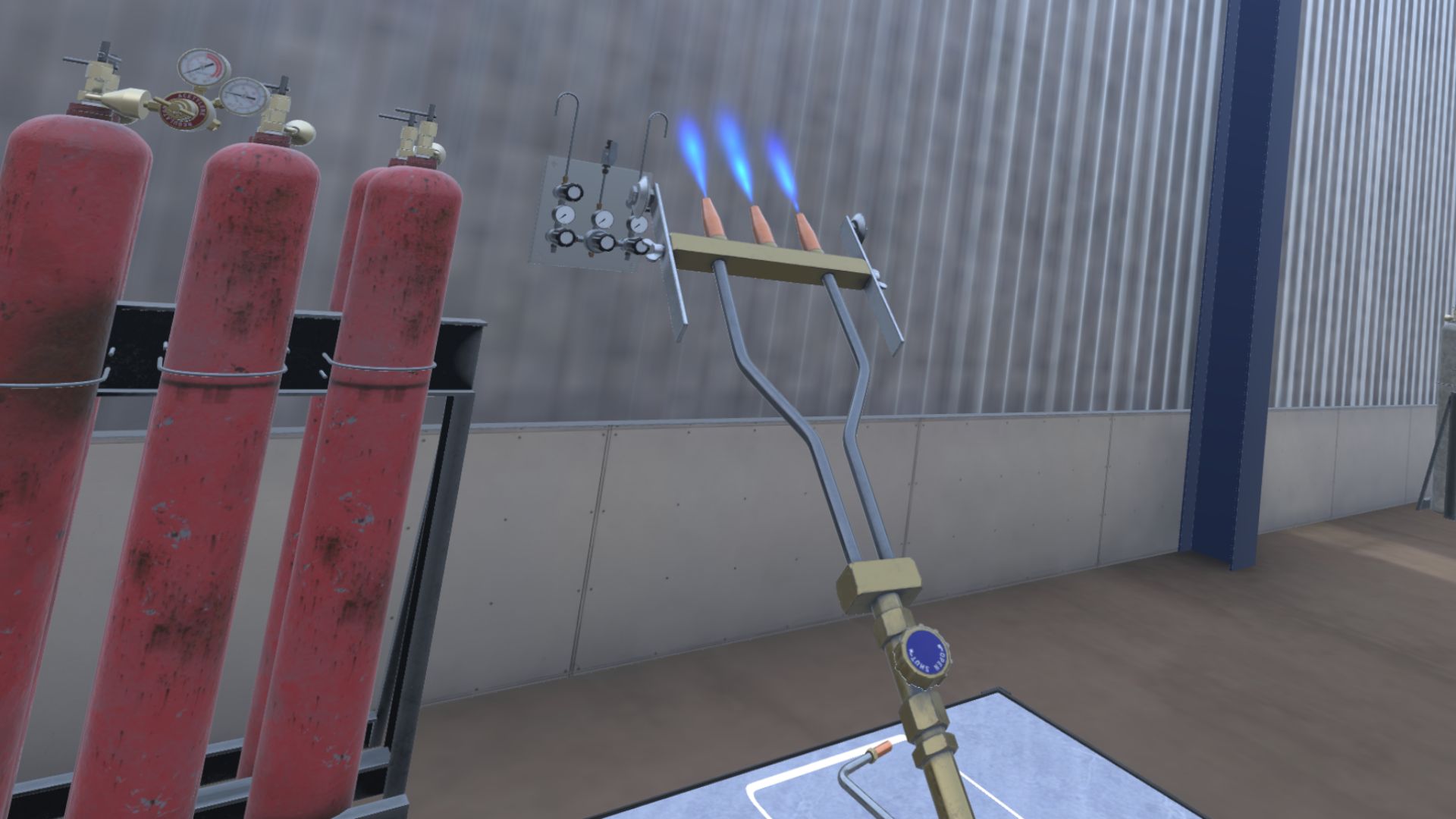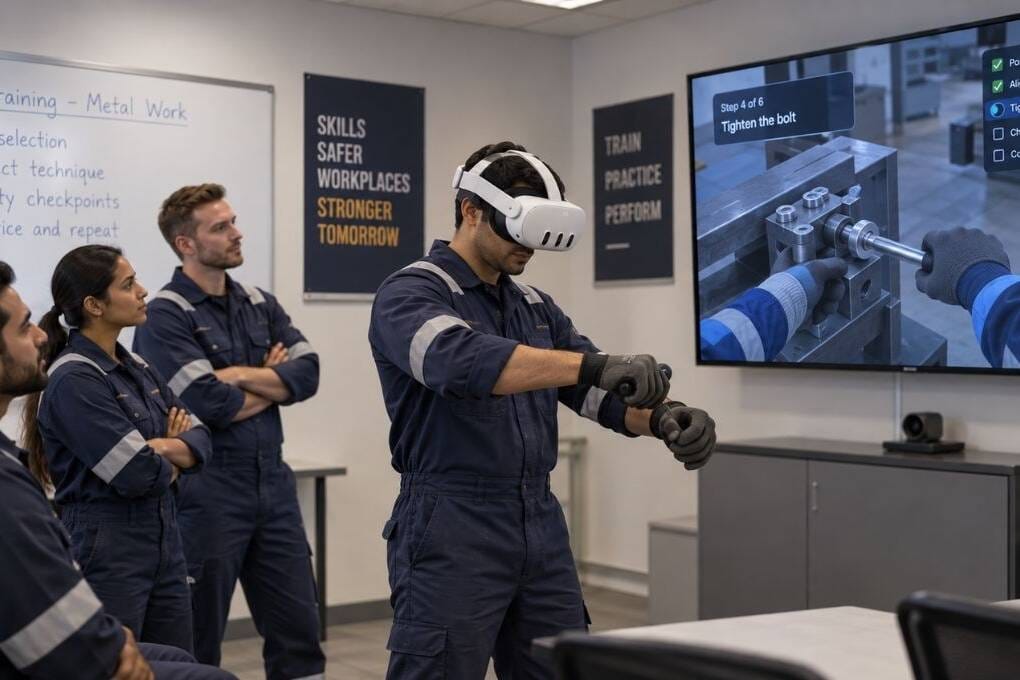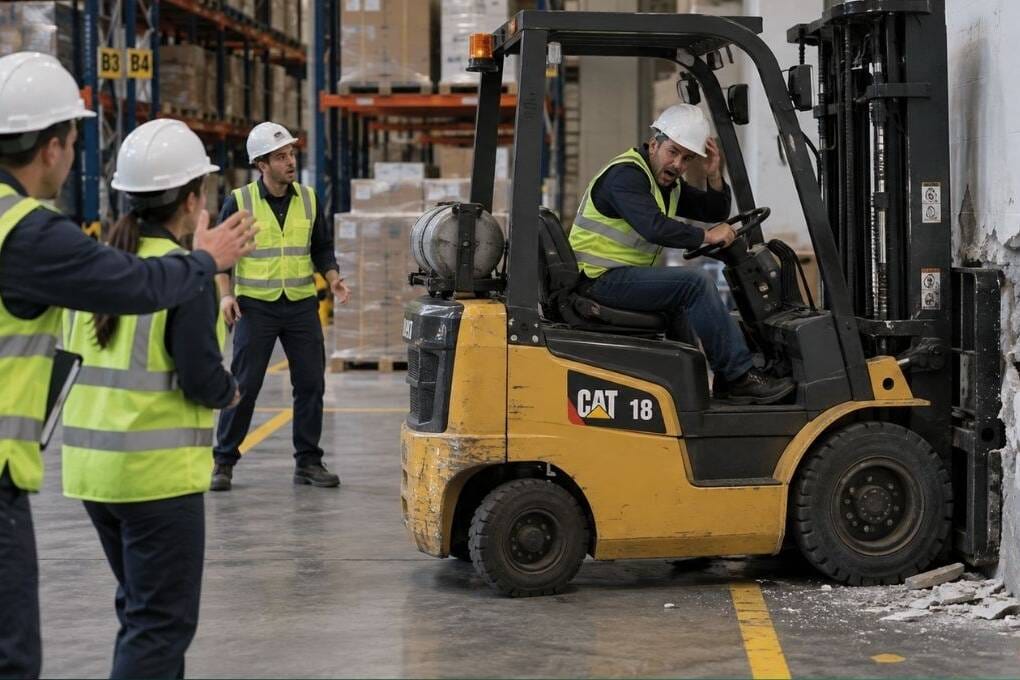

How Much Does VR Training Cost? A Practical Cost Guide for Industrial Organizations
VR training costs vary based on the type of solution, level of customization, hardware needs, integrations, analytics, deployment scale, and long-term support.
For industrial organizations, the largest cost is usually not the headset. The bigger investment often goes into creating the training experience itself, including scenarios, procedures, interactions, assessments, and reporting.
A practical VR training budget should answer three questions:
What does it cost to build?
What does it cost to deploy?
What does it cost to scale and maintain over time?
Why VR Training Cost Depends on the Use Case
There is no single fixed price for VR training because every deployment is different.
A ready-to-deploy safety module, a configurable work-at-height simulation, and a fully custom shipyard emergency response module will all have different cost structures.
For industrial teams, the cost depends on how closely the VR training must match real operations, SOPs, equipment, risk scenarios, and reporting needs.
That is why VR training should be evaluated as a training system, not just as a software purchase.
The Three Common VR Training Models
| VR Training Type | Best For | Cost Level | Customization |
| Off-the-Shelf VR Training | Common safety or equipment training | Low | Limited |
| Configurable VR Training | Standard training with company-specific changes | Medium | Moderate |
| Custom VR Training | Site-specific or SOP-specific training | High | Extensive |
Off-the-shelf VR training is the fastest and most affordable option. It works well for common training topics where deep customization is not required.
Configurable VR training offers a middle path. Existing modules can be adapted with branding, language, SOP steps, assessment logic, or reporting changes.
Custom VR training is built around an organization’s actual processes, equipment, risks, and operating environment. It is usually the right choice for high-risk or complex training needs such as confined space entry, lockout tagout, work at height, crane operation, emergency response, shipyard safety, and permit-to-work procedures.
Approx. VR Training Cost Breakdown by Percentage
Every project is different, but an industrial VR training project usually has the following approximate cost distribution.
| Cost Category | Approx. Share of Project Budget |
| Content & Simulation Development | Approx. 40–50% |
| Instructional Design & SME Input | Approx. 10–20% |
| Hardware & Accessories | Approx. 10–20% |
| Platform, Analytics & Reporting | Approx. 5–15% |
| Deployment & Change Management | Approx. 5–10% |
| Support & Maintenance | Approx. 5–15% |
These percentages are only a planning reference. The actual cost split depends on project scope, customization depth, hardware quantity, reporting needs, and deployment model.
1. Content & Simulation Development
This is usually the largest part of the investment.
It includes the virtual environment, user interactions, training scenarios, assessments, animations, safety events, and simulation logic.
For example, a confined space VR module may need to include entry checks, gas testing, ventilation status, communication protocols, and emergency response actions.
A lockout tagout module may need to include energy source identification, isolation steps, verification, and consequence-based errors.
The more realistic and procedure-driven the training needs to be, the higher this cost category becomes.
2. Instructional Design & SME Input
VR training must be more than visually impressive.
It needs to follow the right learning path.
This cost category includes learning objective design, SOP mapping, assessment planning, trainee flow, and validation by subject matter experts.
In industrial environments, SME input is critical because the module must reflect real worksite conditions and actual operating procedures.
3. Hardware & Accessories
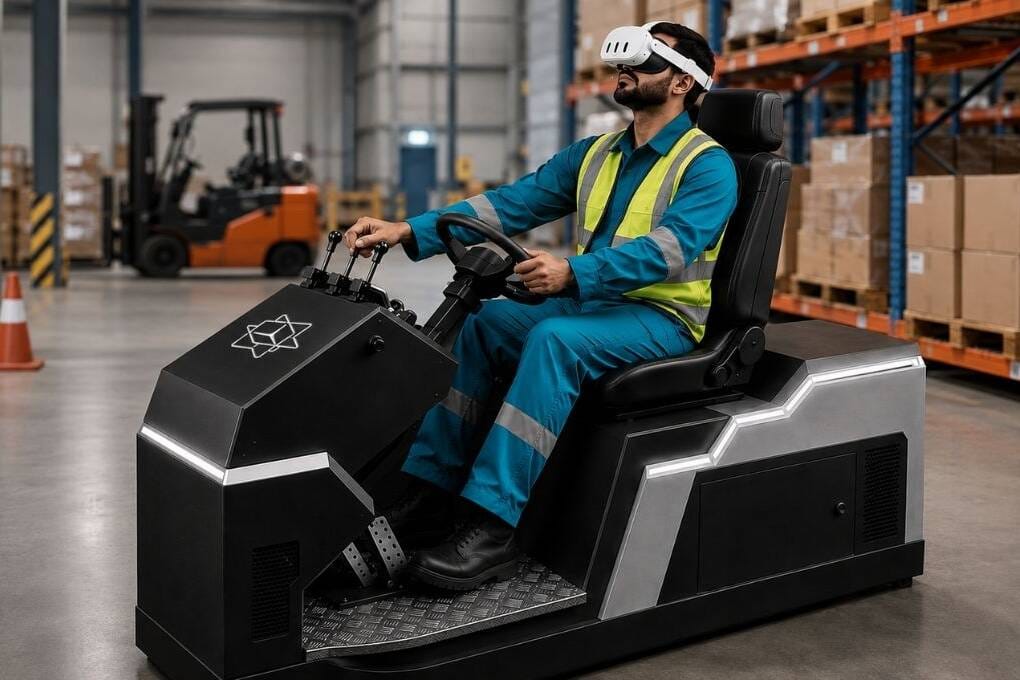
Hardware includes VR headsets, controllers, charging systems, hygiene accessories, carrying cases, and, where required, custom controllers or physical props.
Many buyers assume hardware is the biggest cost.
In most industrial VR training projects, hardware is usually only approx. 10–20% of the total investment.
The right headset should support repeated training use, shared usage, worker comfort, deployment scale, and IT requirements.
4. Platform, Analytics & Reporting
As VR training scales, reporting becomes important.
Organizations need to know who completed training, how they performed, where errors occurred, and whether trainees are improving over time.
This is where LMS, analytics, competency tracking, and reporting platforms become part of the cost.
Spatio AXIS LMS supports learner progress tracking, assessment data, training records, and performance insights across VR training programs.
5. Deployment & Change Management
A VR training program does not succeed just because the module is ready.
Teams need device setup, trainer onboarding, training space planning, IT coordination, user instructions, and rollout support.
This cost category helps ensure VR becomes part of the training process, not just a one-time demo.
6. Support & Maintenance
VR training programs need updates over time.
Support may include bug fixes, device compatibility updates, SOP changes, content improvements, language updates, and technical assistance.
Industrial processes change. Training content should be able to evolve with them.
Licensing and Scaling Costs
Licensing plays an important role in long-term VR training cost.
Some VR training solutions are priced through recurring subscriptions, per-user fees, per-device fees, or annual licensing. These models may work for some organizations, but they can become expensive when training volume increases.
For industrial organizations that train workers across batches, shifts, and locations, cost predictability matters.
Spatio’s ready-to-deploy VR training modules can support a one-time licensing model where organizations get full simulator ownership for repeated training use. This allows the same
module to be reused across teams and training cycles with better long-term cost visibility.
Customization, analytics, controller integration, and LMS connectivity can be scoped separately based on deployment requirements.
What Can Increase VR Training Cost?
VR training cost increases when the project requires deeper customization, realistic equipment behavior, detailed SOP mapping, multi-language support, LMS integration, advanced reporting, or multi-site deployment.
These additions are not unnecessary costs. In many industrial use cases, they are what make the training useful, measurable, and scalable.
The key is to choose the right level of customization for the outcome you want.
Looking Beyond Cost: Evaluating ROI
Cost is only one side of the decision.
Organizations should also consider the value VR training may create through faster onboarding, reduced instructor dependency, better training consistency, safer practice, improved retention, and stronger workforce readiness.
To support this evaluation, Spatio is developing an ROI Calculator that will help organizations estimate the potential operational and financial impact of VR training based on workforce size, training frequency, deployment model, and training objectives.
This helps teams move from a simple cost discussion to a more complete business case.
Conclusion
VR training costs vary depending on the solution type, customization level, hardware needs, analytics, deployment support, licensing model, and maintenance requirements.
Off-the-shelf modules offer faster and more predictable deployment. Configurable solutions provide a balance between speed and relevance. Custom VR training is best suited for high-risk, site-specific, or procedure-heavy use cases.
The best investment is not always the lowest-cost option. It is the option that supports real training outcomes, repeated use, workforce readiness, and long-term operational value.
FAQ
VR training cost depends on the solution type, customization depth, hardware requirements, analytics, integrations, deployment scale, and support needs.
Content and simulation development is usually the biggest cost category, often representing approx. 40–50% of the total project budget.
No. Hardware is usually approx. 10–20% of the total project budget. The larger investment is typically in content, simulation design, deployment, analytics, and support.
Yes. Custom VR training requires more investment because it is built around specific SOPs, environments, equipment, workflows, and assessment requirements.
Organizations can reduce costs by choosing ready-to-deploy modules where suitable, limiting unnecessary customization, reusing training assets, and selecting licensing models that support repeated use.
Companies should evaluate ROI through onboarding time saved, reduced instructor dependency, improved training consistency, safer practice, better retention, and workforce readiness.