If you’re joining mid-series, we recommend starting from the beginning:

Once the design has been finalized and sign-off is in place, the VR development cycle begins. But unlike conventional software projects, immersive simulator development introduces a unique combination of pipeline complexity, fidelity management, and iterative validation.

It’s not just about meeting deadlines — it’s about building the right product in the right way, without compromising learning outcomes, user experience, or future scalability.

At Spatio, we structure every development engagement around three principles:

  • Tangible milestone-based outputs
  • Frequent feedback from real end users
  • Scalable architecture that allows for future evolution

Here’s what you should expect — and demand — during the build phase.

Milestone Planning: Delivering Tangible Progress

Move Beyond Abstract Updates. See Progress You Can Touch.

VR development has a reputation for being opaque — especially in early stages. While it does follow a largely waterfall structure (model, animate, code, test), that doesn’t mean visibility has to wait until the end.

Your development partner should provide frequent, tangible outputs, including:

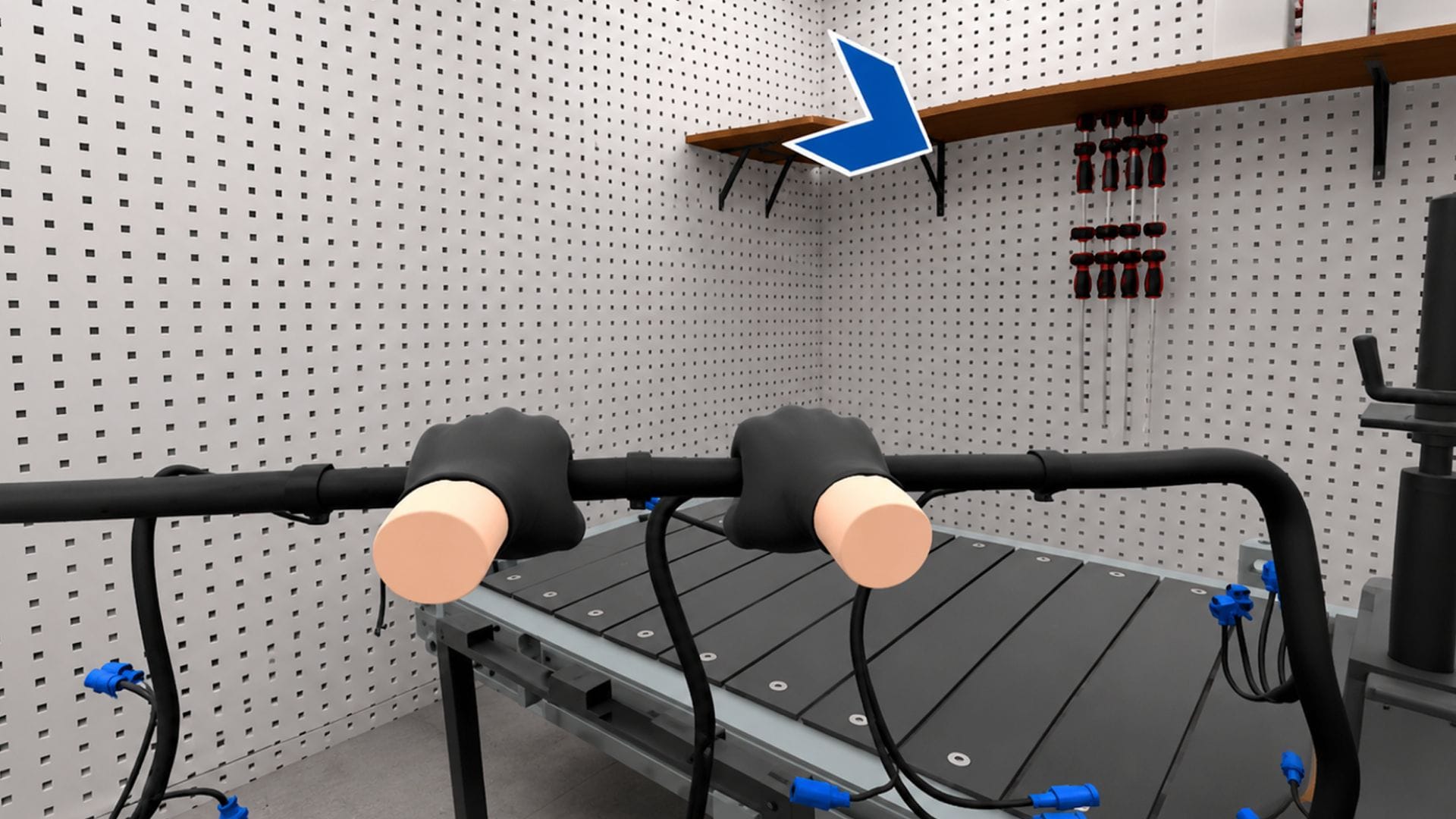
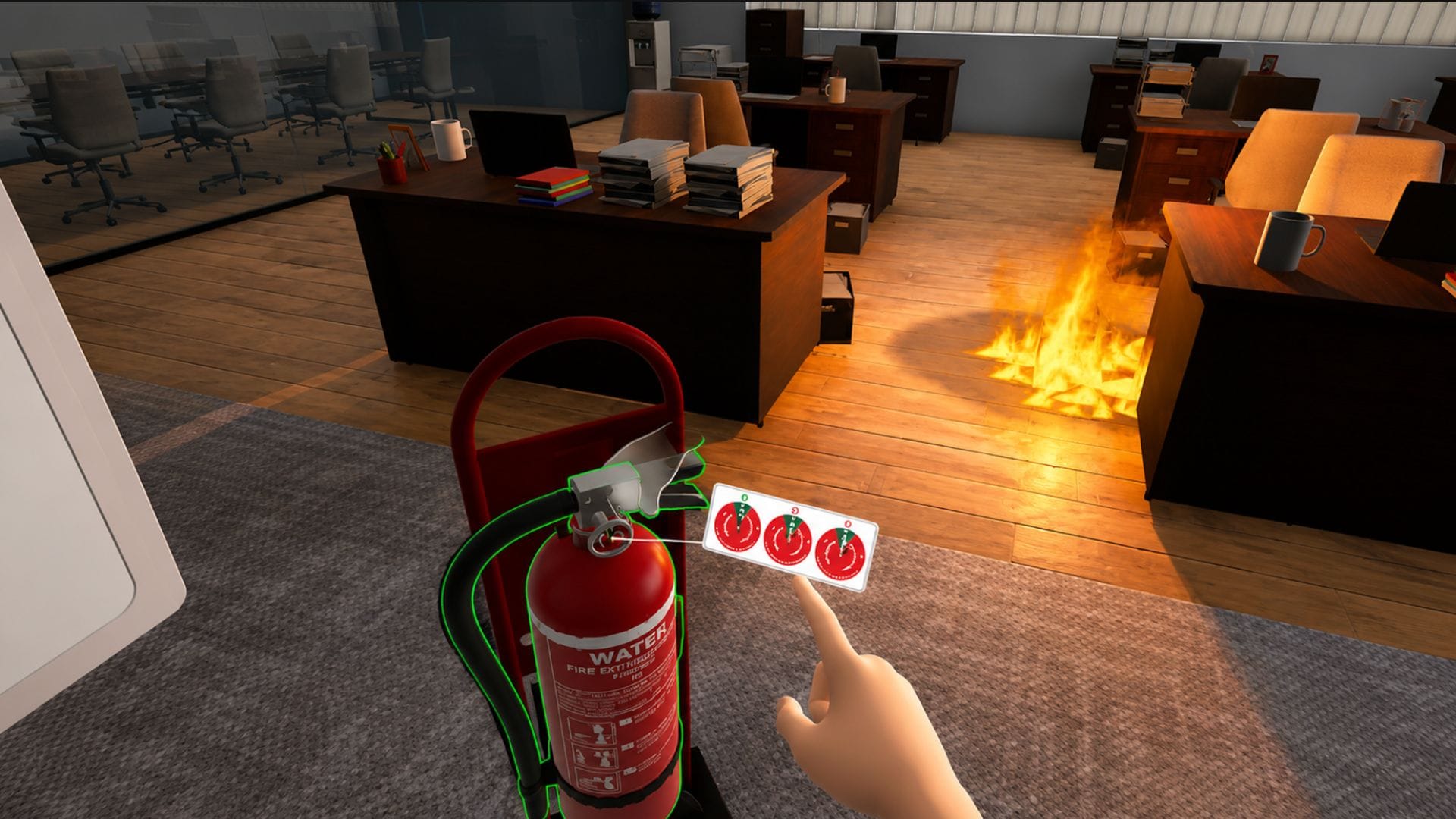
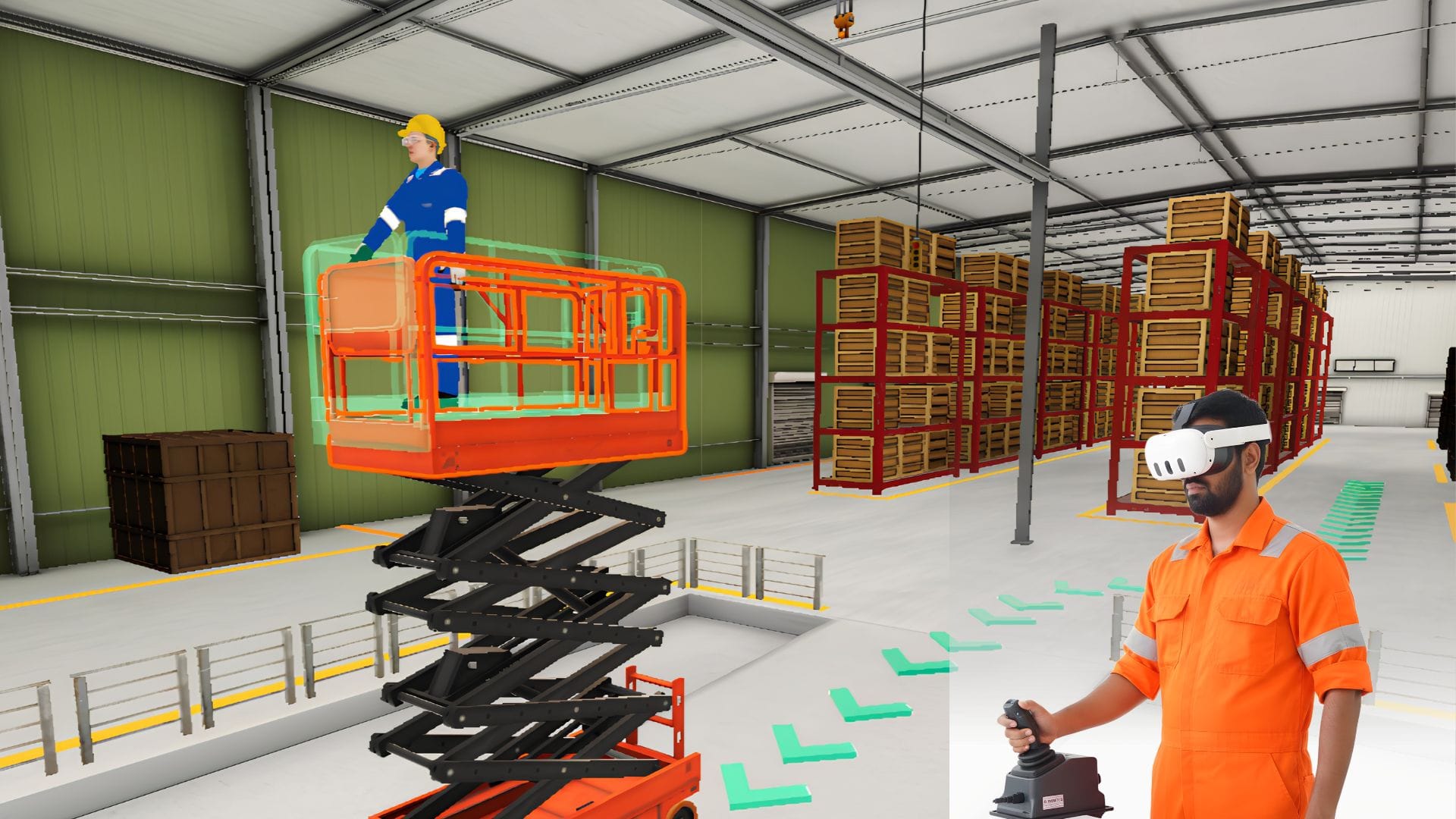
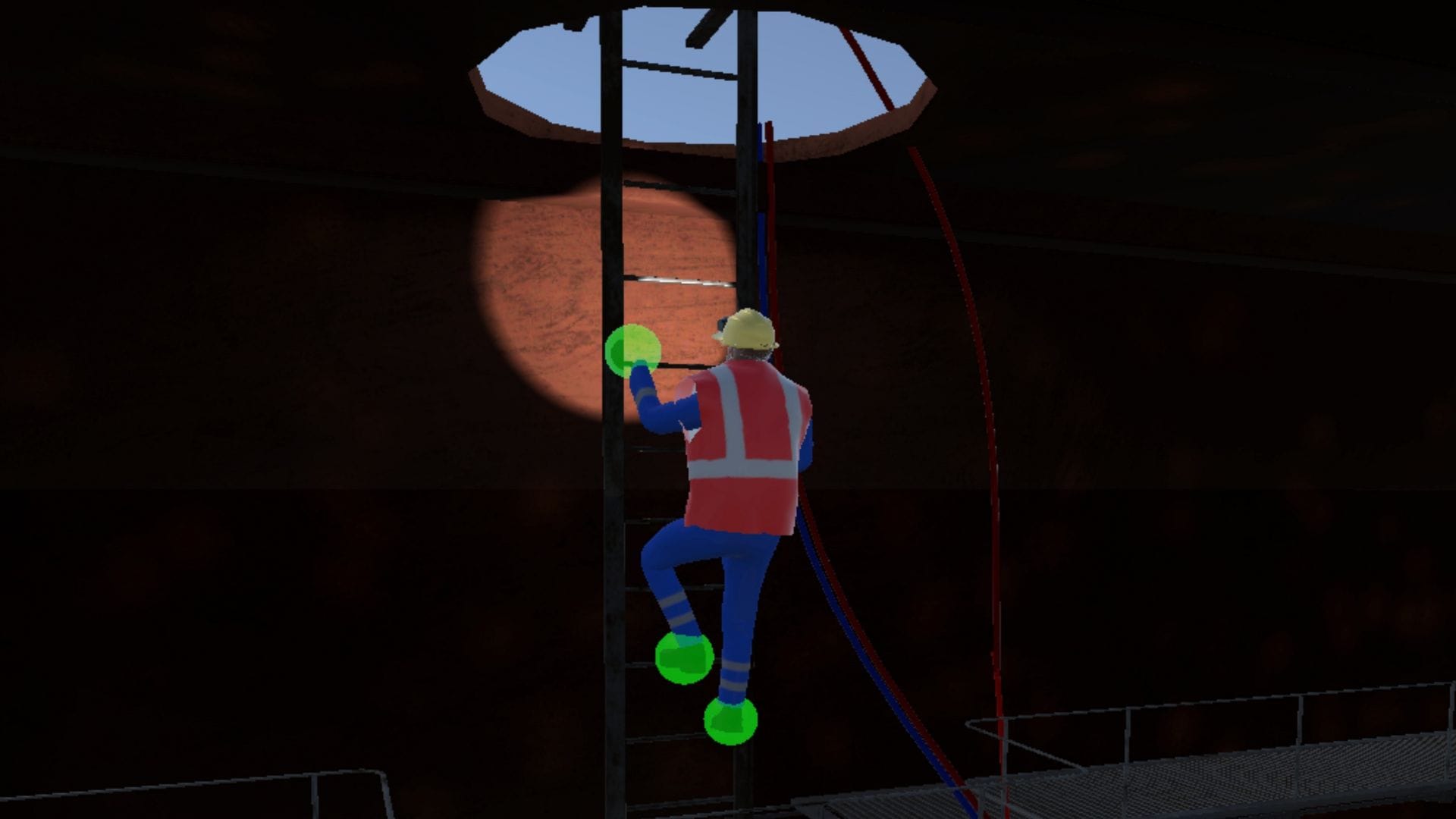
  • Playable builds of isolated mechanics (e.g., tool operations, environment walkthroughs)
  • Early design mockups of UI systems
  • VR-ready versions of key SOP sequences
  • Feedback sessions mapped to individual learning modules

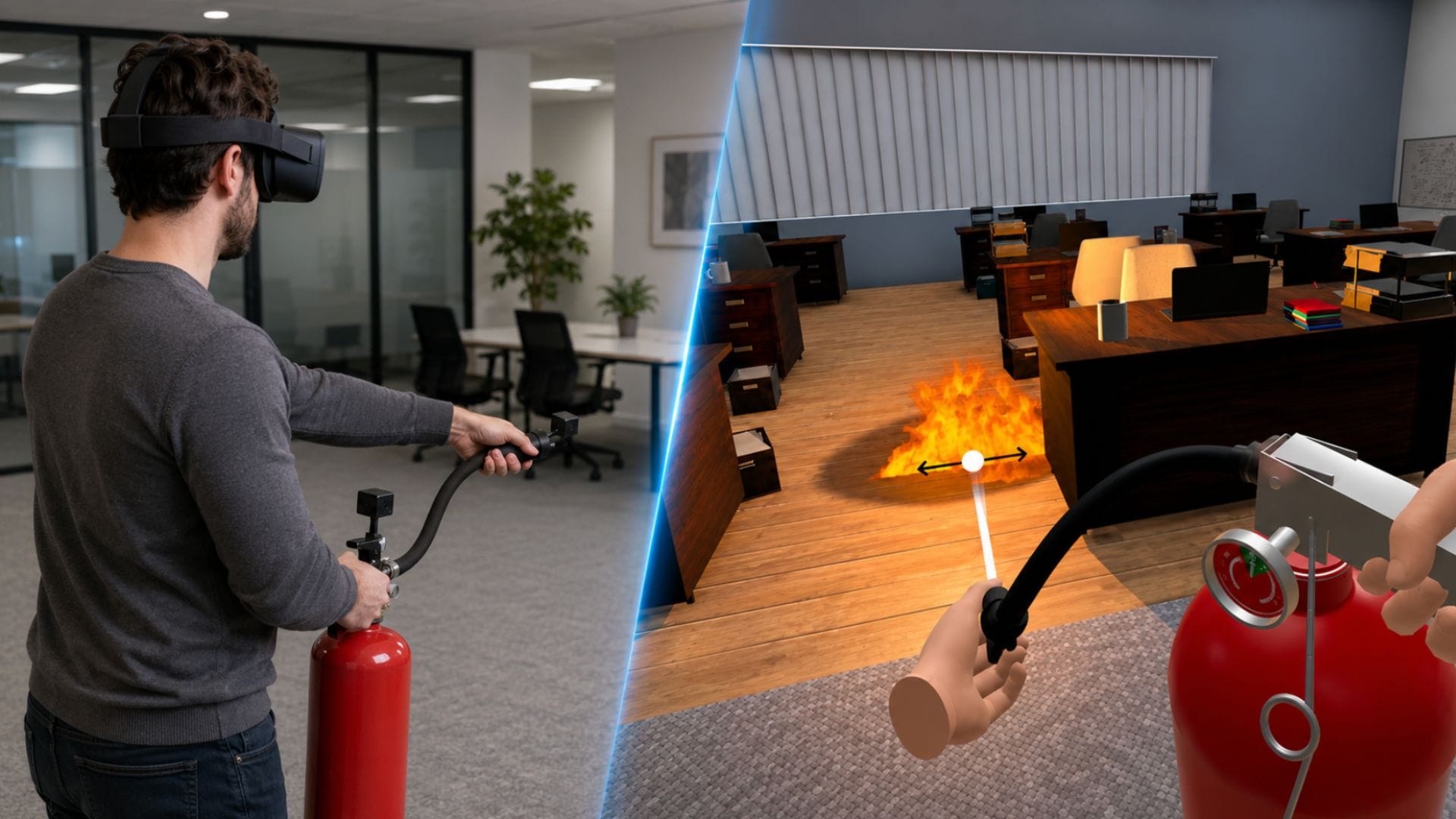
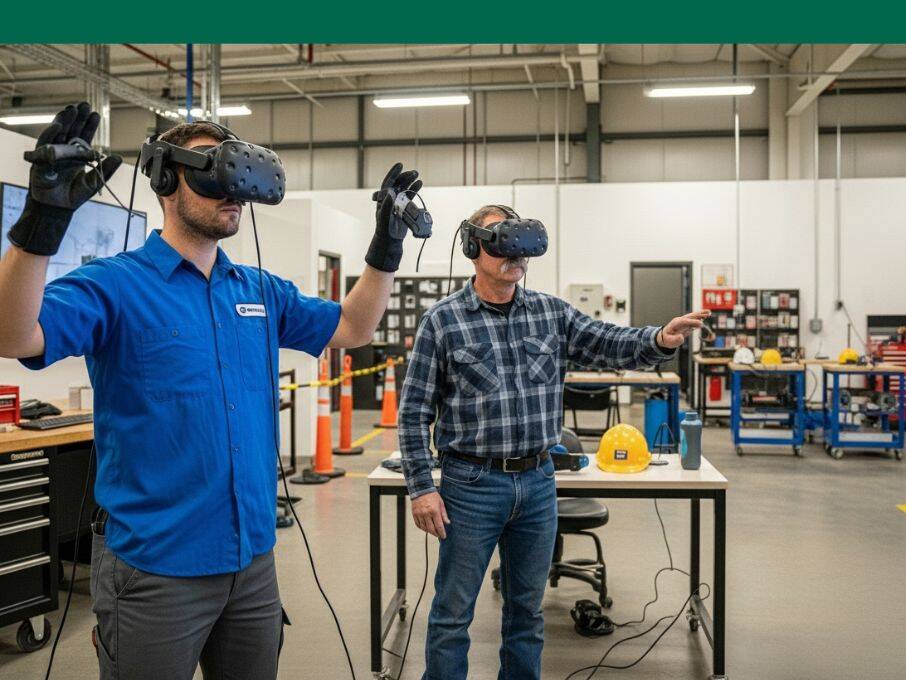
At Spatio, we design the pipeline so stakeholders can experience core mechanics in VR at regular intervals — not just watch screen recordings or read status reports.

End User Testing: Build With the Learner, Not Just the Leader

Feedback from Project Managers Is Not Enough.

Too often, the only testers during development are internal leads or procurement stakeholders. While they’re important, they are not the end user.

You need feedback from:

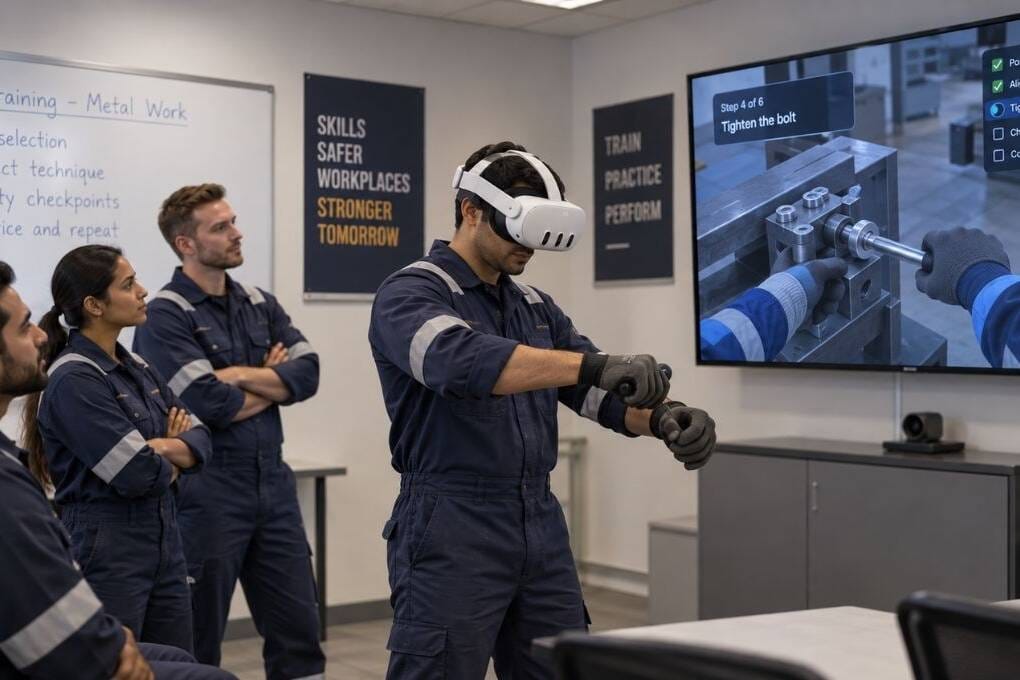
  • Actual technicians, operators, or safety trainees
  • Diverse users across regions or language groups
  • Both low- and high-experience personas

This helps you:

  • Validate earlier technical decisions (e.g., device choice, interaction design)
  • Uncover usability issues that leadership may miss
  • Refine animations, pacing, and instructions based on real reactions

Early end-user feedback prevents late-stage rework.
And more importantly, it ensures the simulator will actually be used once deployed.

Scalable Architecture: Avoiding Technical Debt

Small Changes Shouldn’t Take Weeks.

In a well-structured simulator, changes like reordering a sequence, tweaking timing, or updating instruction content should not require full rebuilds.

However, this is only possible if the simulator is built on modular, scalable architecture — where:

  • SOP logic is separate from environment
  • Interactions are componentized
  • Content is easily updatable without rewriting code

If you find that even minor changes are causing major delays, that’s a red flag: the foundation wasn’t designed for scale.

At Spatio, we build all simulators with future adaptation in mind — so our clients can continue evolving their training without rebuilding it.

Final Thoughts: Your Development Cycle Is Your Foundation for Scale

Simulator development is not a black box — and it shouldn’t feel like one.

You should expect:

  • Regular, VR-playable milestone outputs
  • Real user feedback shaping the build
  • A technical structure that supports long-term change

When these three pillars are in place, you get more than a one-time simulator — you get a learning asset that adapts with your workforce.

At Spatio, we believe a great development cycle doesn’t just ship software.
It builds trust, momentum, and a product your teams will actually use.

Get In Touch

Privacy Preference Center