What Is VR Fire and Safety Training?

VR fire and safety training uses virtual reality headsets and 3D environments to simulate real fire and emergency situations in a safe, controlled way.

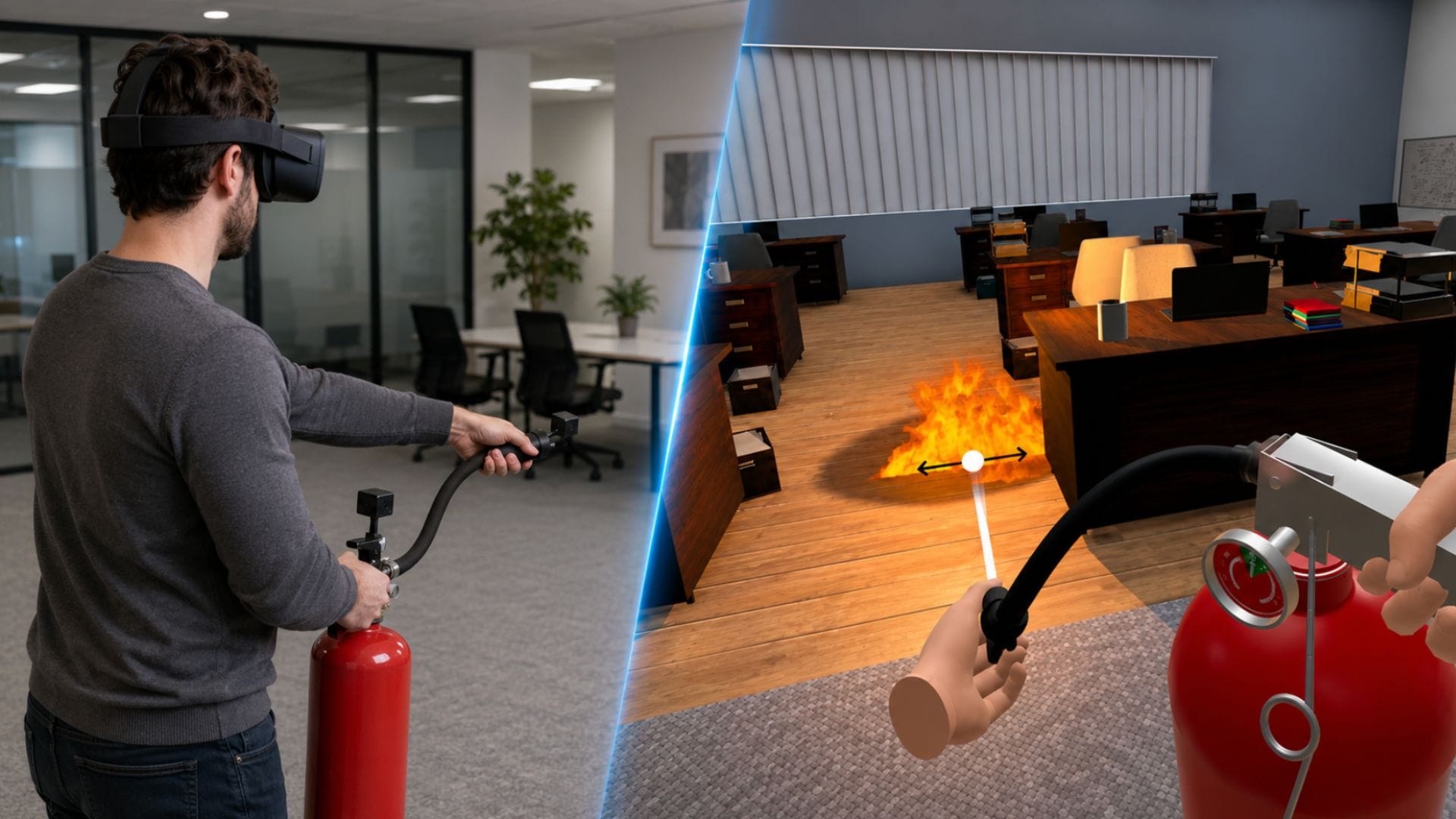
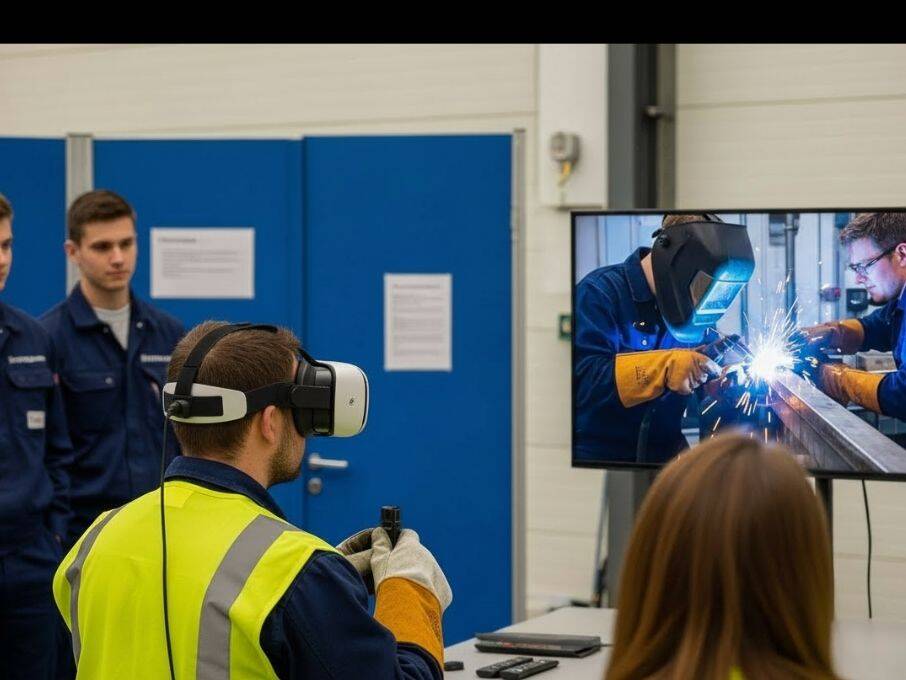
Instead of sitting in a classroom looking at slides, your people wear a VR headset and step into a digital version of their workplace. They see familiar corridors, stairwells, machinery, storage racks or ship decks. Inside that environment, a fire or emergency unfolds and they have to respond.

They learn how to:

  • Notice early warning signs
  • Raise alarms in the right sequence
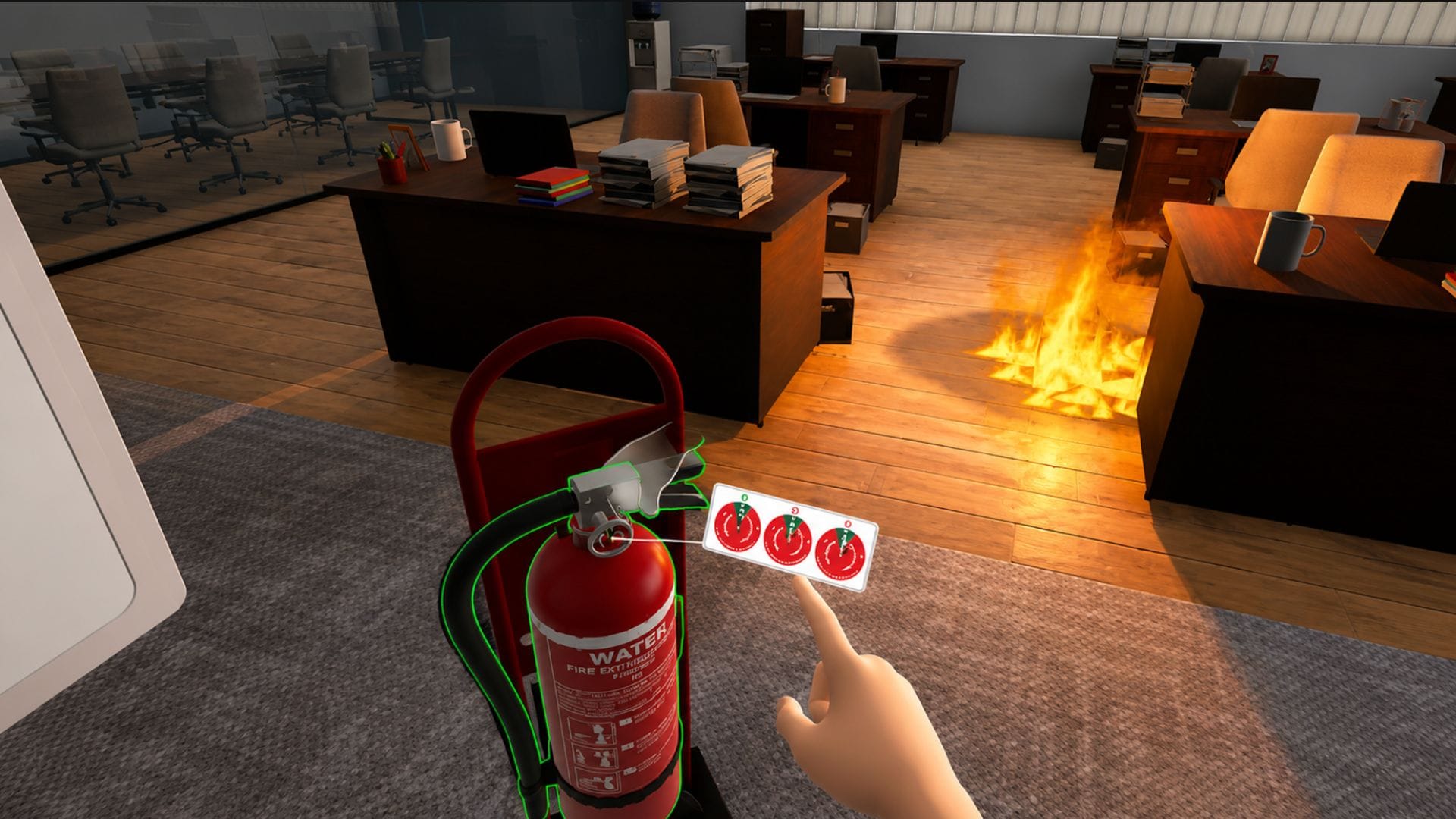
  • Pick the correct extinguisher and use it properly
  • Decide when to fight the fire and when to evacuate
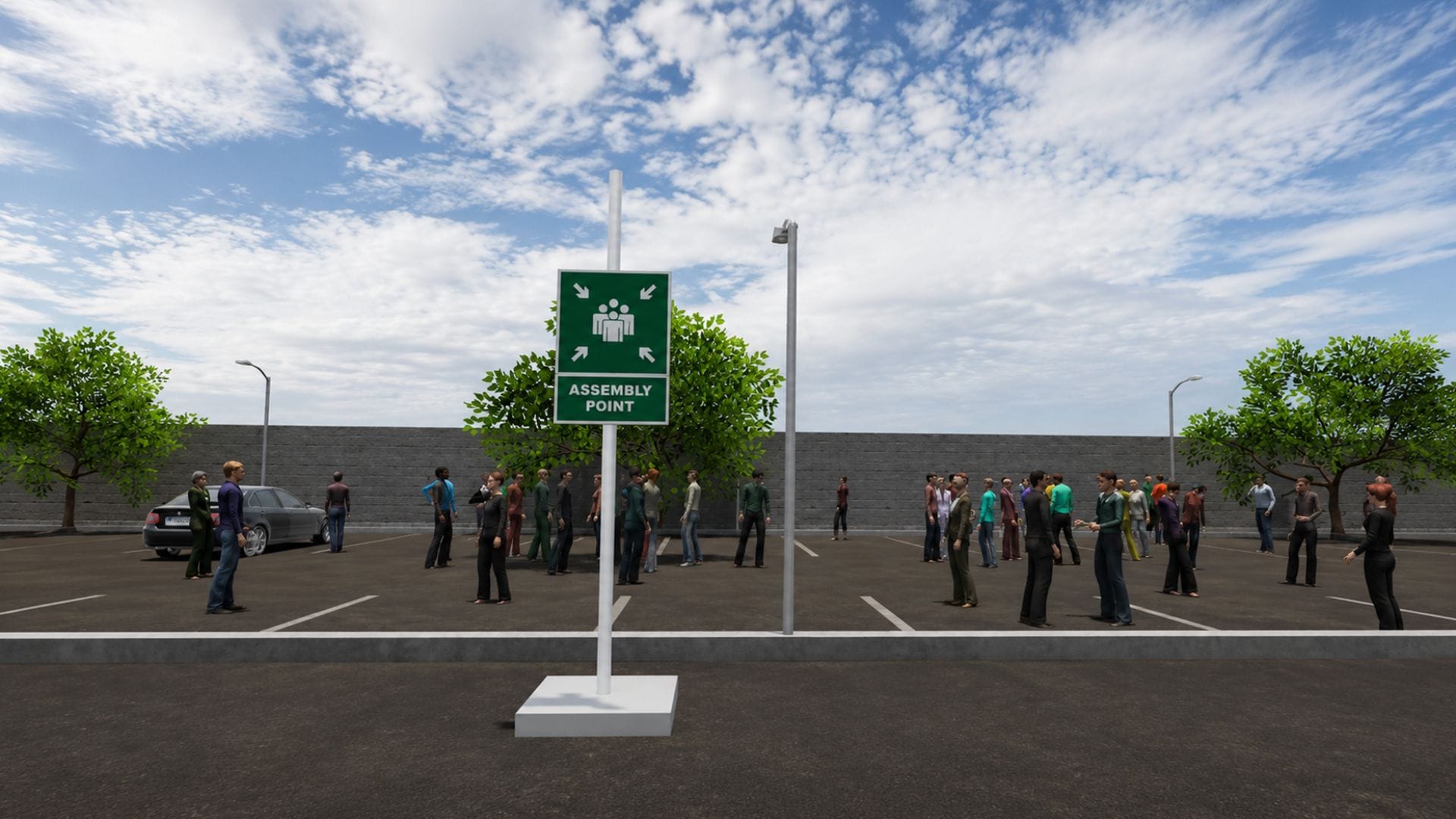
  • Navigate escape routes to the right assembly point

Nothing burns, nothing explodes, and yet the pressure feels real enough for them to remember what to do when it actually matters.

On the Spatio side, this is exactly what your VR Fire and Safety Training solution does. It drops users into site accurate simulations instead of generic office scenes, so they practise in an environment that looks and feels like their plant, yard or tower.

How Does VR Fire and Safety Training Work?

Higher Engagement & Retention

A good VR fire safety experience has three layers working together.

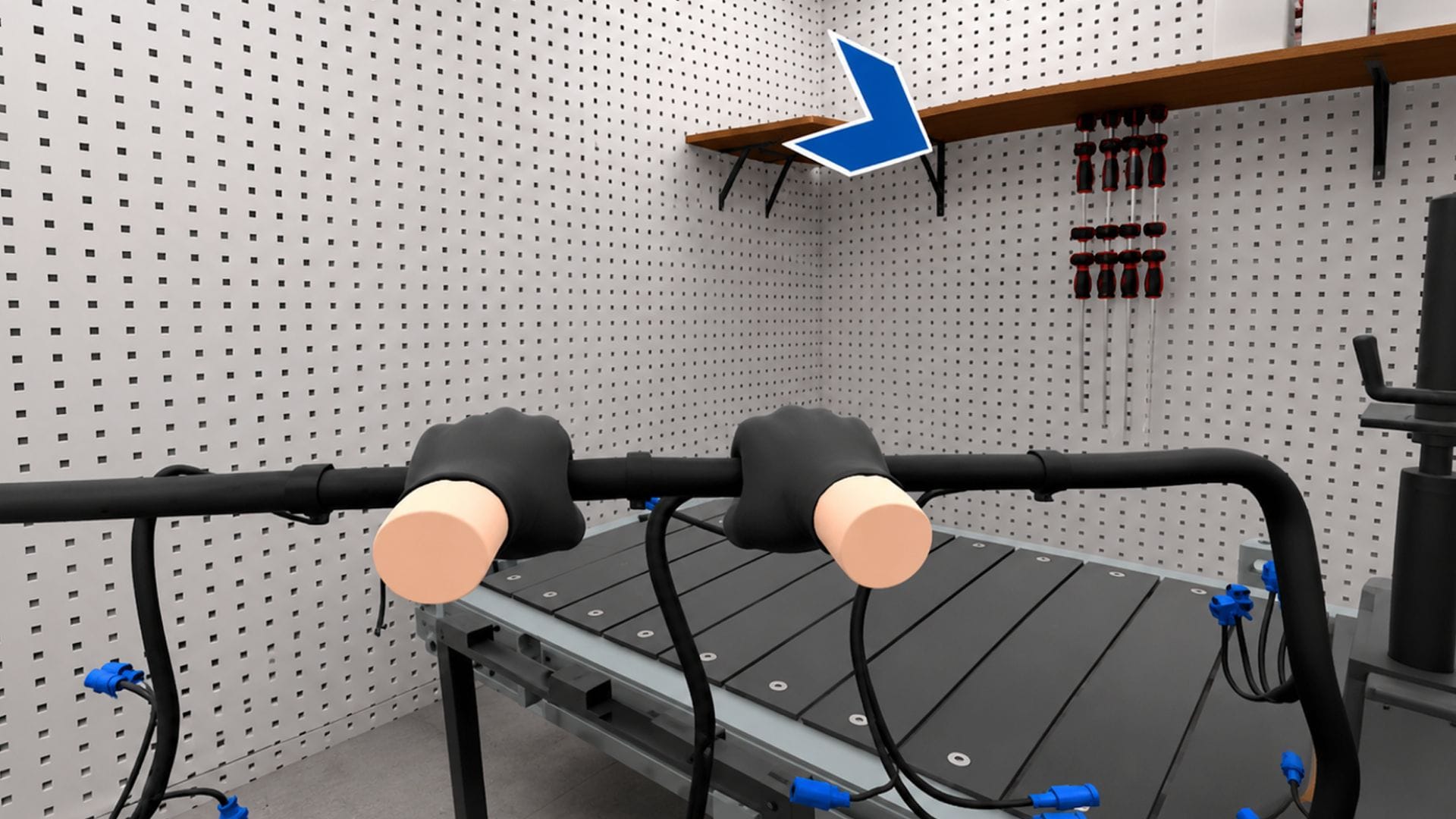
First, there is the environment. Your site is modelled in 3D, often based on drawings, photos and walkdowns. For a GCC client that might be a refinery unit, shipyard bay, port warehouse, logistics hub or high rise office floor. The idea is simple, when a trainee puts on the headset, they should recognise where they are.

Second, there is the scenario. The system triggers a realistic event, for example a small fire near a pump, a short circuit in an electrical room, a hot work incident in a ship compartment, or smoke in a corridor. The trainee is guided at first, then gradually left to make decisions on their own. The system tracks each step, what they noticed, what they did first, how long they took and what route they chose.

Third, there is feedback. After the scenario, the trainer or system walks the person through what happened. Where they hesitated, what they did well, what they missed, how they could improve. Because every action is recorded, this feedback is specific, not vague. Over time, the learner can see their own progress and the organisation can see patterns across teams and sites.

Spatio extends this approach across multiple safety modules, so VR fire training can sit alongside Confined Space VR Safety Training and VR Work At Height Safety Training as part of a single immersive safety framework.

Benefits of VR Fire and Safety Training

From a distance, VR can look like “fancy training”. In practice, the benefits are very practical, especially for Middle East operations.

Deeper learning and stronger recall

People remember what they experience. In VR, they are not just listening to steps, they are making decisions under pressure, seeing consequences and correcting themselves. That level of engagement naturally improves recall. Months later, when an alarm sounds in the real world, the sequence feels familiar.

Safe practice for dangerous scenarios

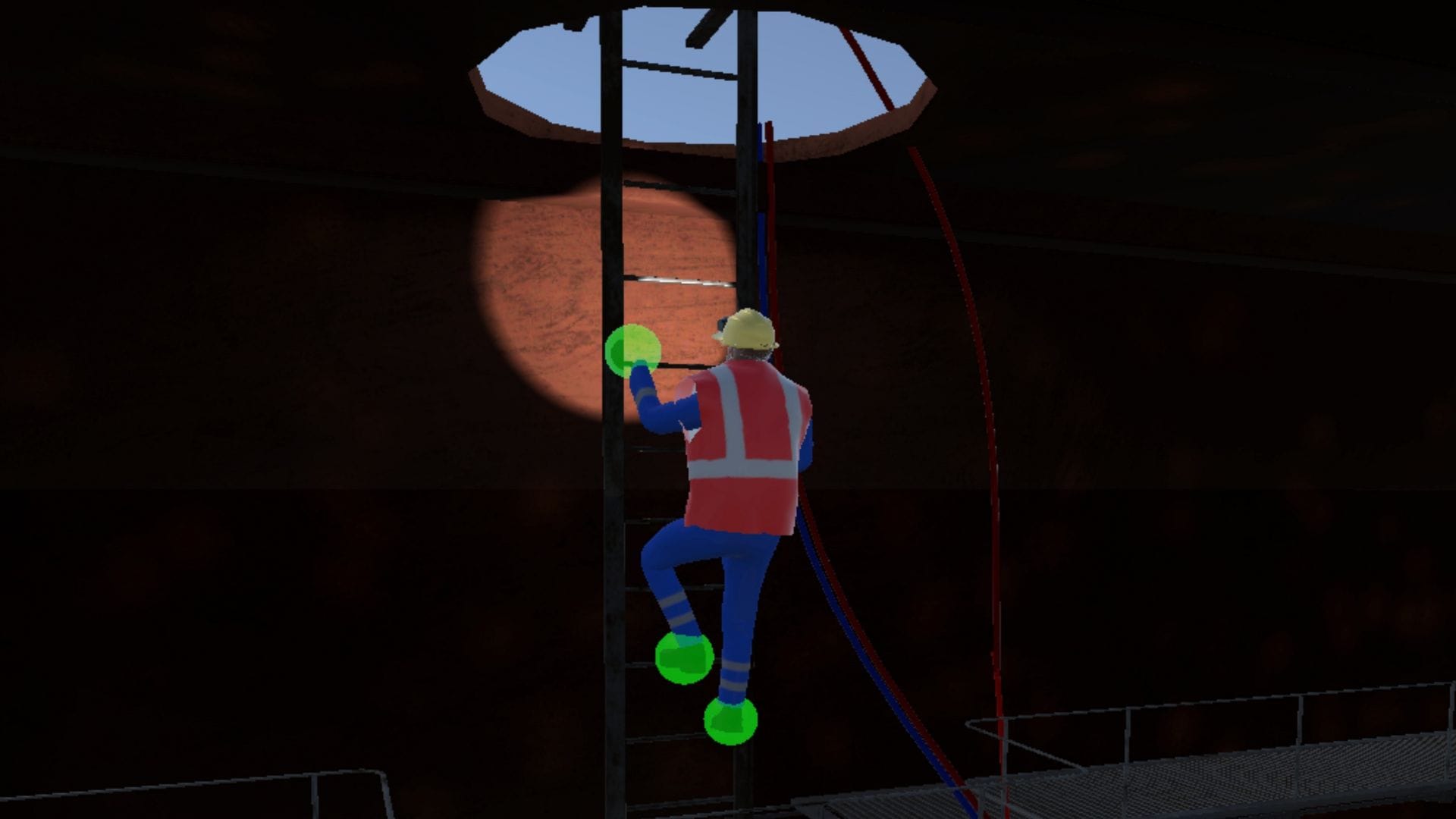
There are certain situations you cannot practise live. A fast spreading fire in a refinery unit, a cargo hold incident, a blocked stairwell in a high rise, a hot work fire in a tight space. VR lets your people “live through” these scenarios without putting anyone or anything at risk.

Objective, audit ready training data

Traditional fire training gives you an attendance sheet. VR gives you performance data. You can see how long someone took to respond, whether they chose the right extinguisher, how many errors they made and how they improved over time. This helps with internal reporting, client audits and discussions with insurers.

Better fit for GCC workforce realities

In the Middle East, you are often working with large, multicultural, multilingual teams across multiple sites that run in shifts. VR allows you to train small groups continuously, in multiple languages, without shutting down operations for big drills every time. Visual, interactive learning also reduces dependence on language for core concepts.

Stronger safety culture

When workers see that the company is investing in realistic, modern training rather than just ticking boxes, it changes the tone of safety conversations. VR sessions often spark useful discussions, “What would you do if this happened on our line”, “How do we report this faster”, “Who will coordinate evacuation on night shift”. That is how a serious safety culture grows.

Features and Advantages of a Good VR Fire and Safety Training Solution

Not all VR training is equal. A mature, enterprise ready solution usually has a few important characteristics.

Site accurate scenarios

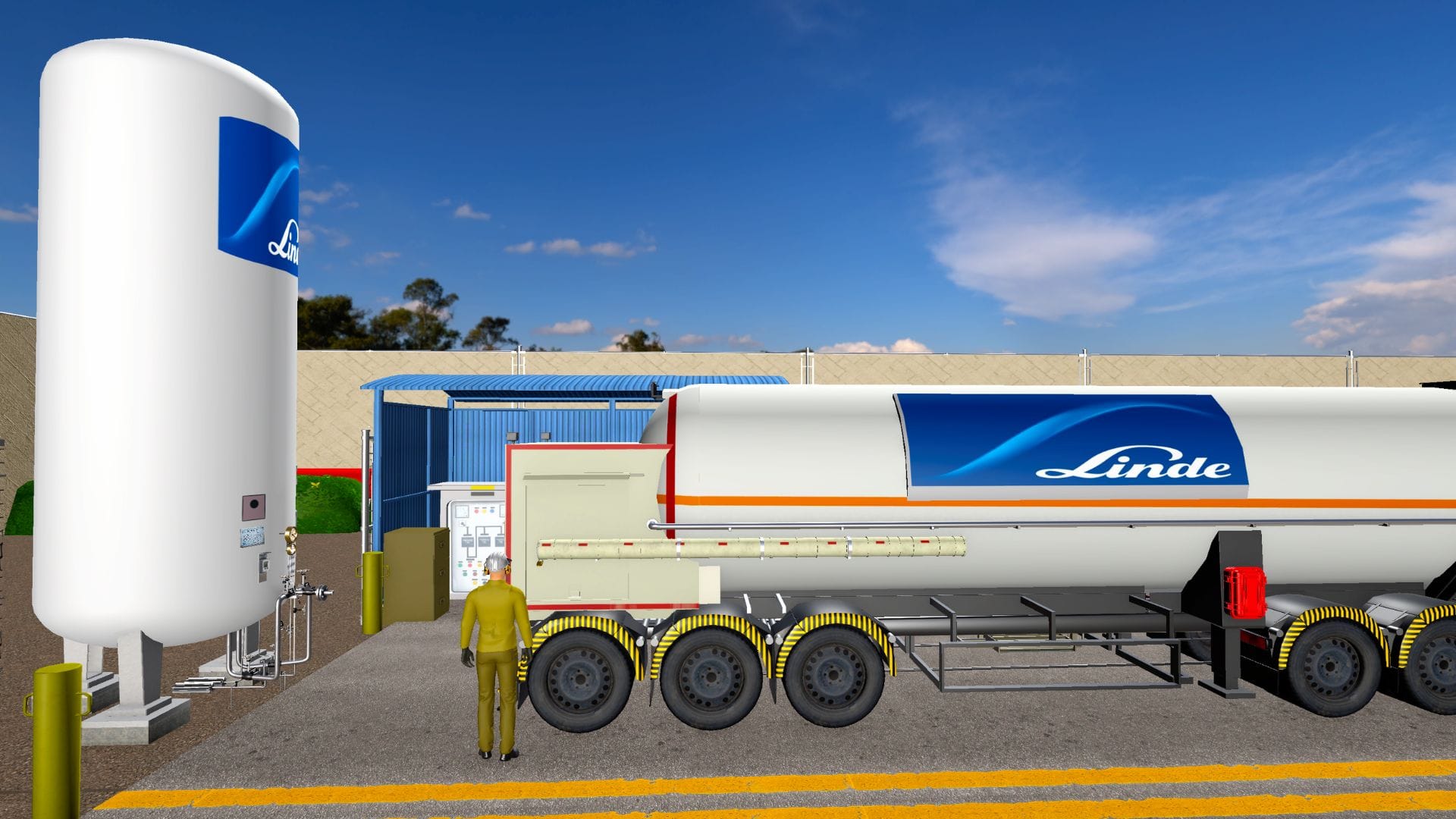
Generic office scenes might work for a basic concept, but they do not move the needle for a refinery, shipyard or port. Spatio’s strength is in building environments that reflect the real layout, equipment and hazards of each client site, so behaviour learned in VR transfers directly to the field.

Real time assessment and analytics

Every scenario should have clear learning objectives and scoring. The system tracks what the trainee did, how quickly they reacted and where they made mistakes. This comes back to you as dashboards, reports and individual records that can plug into your LMS or internal training systems.

Modular content library

Fire safety itself can be broken into modules, for example extinguisher handling, alarm response, evacuation, role based training for fire wardens and floor marshals, special scenarios for control room staff. A modular library lets you tailor paths for different roles instead of forcing everyone through the same generic experience.

Multi language and simple UX

For Middle East deployments, language flexibility is non negotiable. Interfaces should be simple so that even first time VR users feel comfortable within minutes. Instructions, voiceovers and labels can be localised without changing the underlying scenario logic.

Scalability across sites

Once scenarios are built and validated at a flagship site, the platform should make it easy to roll them out to other sites and countries with minimal rework. Hardware should be robust enough for repeated use in industrial training rooms, not just a one time demo.

Integration with broader safety programs

The real advantage comes when VR does not sit in a silo. Spatio’s VR fire training can be linked with confined space, work at height and other modules so you build a connected safety journey, and it can be aligned with your existing classroom, e learning and live drills.

What Industries Use VR Fire and Safety Training?

By 2026, VR fire and safety training is no longer limited to “innovative” companies. It is becoming a practical tool across several core industries in the Middle East.

Oil and gas, petrochemicals and energy

Refineries, gas plants, petrochemical complexes and power stations face complex fire and explosion risks. Shutting down units for drills is expensive and risky. VR lets operators, technicians and control room teams rehearse critical responses without touching the live plant. For many GCC operators, VR training is now part of their broader digitalisation and safety excellence agenda.

Shipbuilding, ship repair and ports

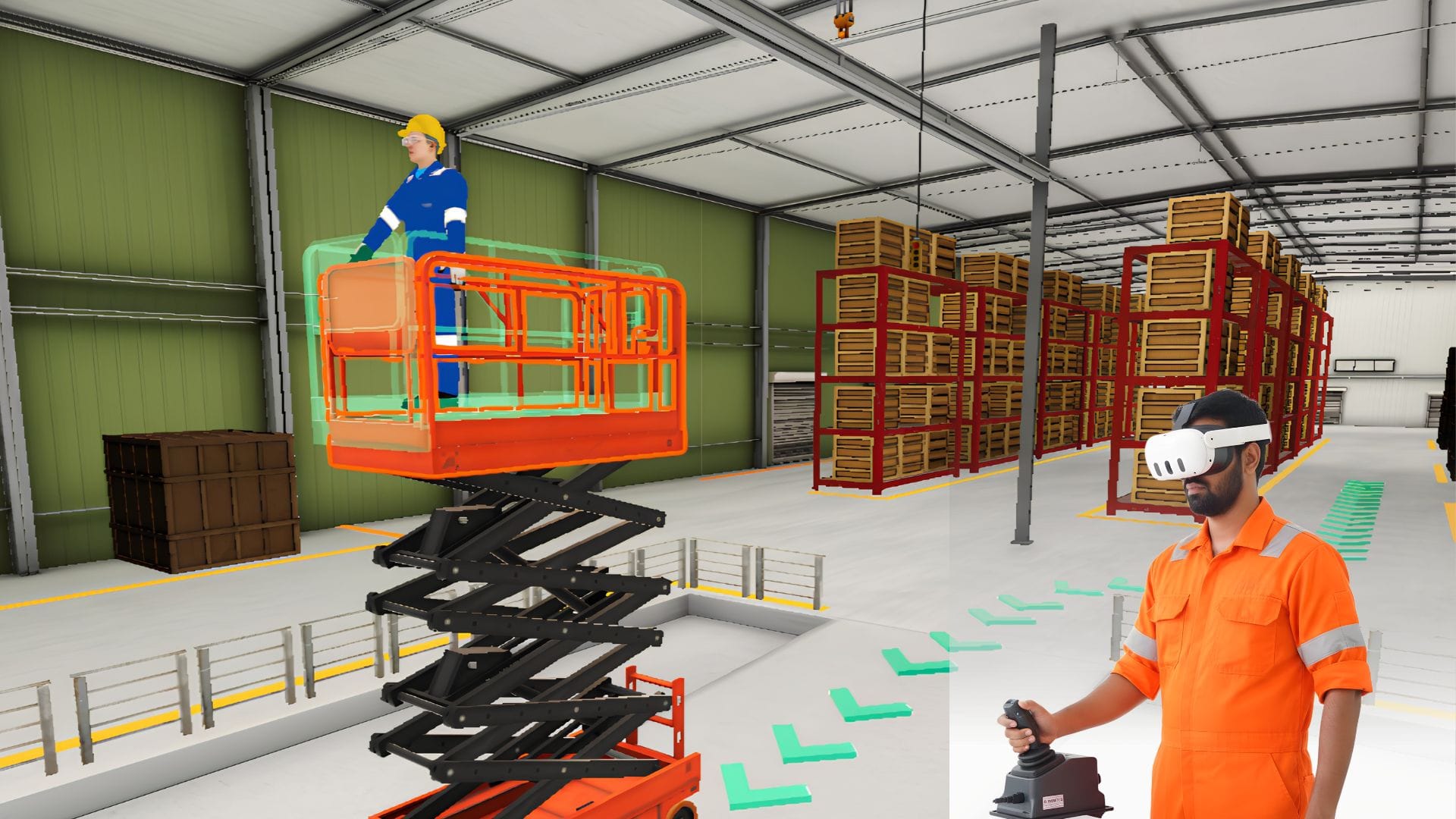
Shipyards and ports deal with hot work, confined spaces, fuel, cargo and heavy lifting, often in tight schedules. VR scenarios can mirror ship compartments, dry docks, crane bays and yard layouts and link fire incidents with other modules such as confined space entry or work at height so teams understand how risks overlap.

High rise commercial, retail and hospitality

Towers, malls and hotels in cities like Dubai, Abu Dhabi, Doha and Riyadh need staff who can guide large numbers of people during alarms without causing panic. VR evacuation scenarios let them learn building layouts, safe routes and communication techniques while guests and tenants carry on as usual.

Healthcare and critical facilities

Hospitals and critical facilities must balance patient safety with fire safety. It is not realistic to evacuate a whole ward for a drill every quarter. VR gives nursing staff, maintenance teams and security a way to practise different fire situations, from small equipment fires to corridor smoke, and understand how to move vulnerable patients safely.

If your operation has high consequence fire risks, complex layouts or large rotating workforces, VR fire and safety training is at least worth a pilot, regardless of the sector.

Is VR Fire and Safety Training Right for Your Organisation?

The simplest way to answer that question is to look at three factors.

First, the cost and complexity of live drills. If shutting down a unit, yard or building for realistic drills is expensive, disruptive or unsafe, VR becomes a powerful complement.

Second, the diversity of your workforce. If you rely heavily on contractors, expats and multilingual teams, VR helps you deliver consistent, visual training that does not collapse under language barriers.

Third, the maturity of your safety culture. If you are already investing in systems, audits and near miss reporting, VR gives you a way to bring all that intent to life and let people practise safe behaviour in an environment that feels real.

Start with one scenario that matters. Run a focused pilot. Look at the data, listen to the feedback, and then decide how big you want this to be in your 2026 safety plan.

Related Posts

Privacy Preference Center